Moving a treadmill presents unique challenges that catch many people off guard. These fitness machines are heavy, delicate, expensive, and often difficult to disassemble or maneuver through tight spaces. Whether you're relocating your home gym, moving to a new apartment, or upgrading your fitness setup, understanding the proper techniques ensures your treadmill arrives in perfect working condition. At Wise Guys Moving in Auburn, we've successfully relocated countless treadmills for fitness enthusiasts throughout Alabama. Here's our comprehensive guide to moving a treadmill safely and efficiently.
Treadmills typically weigh between 150 and 300 pounds, making them heavy and awkward. Beyond weight, these machines contain electronic components, motorized parts, and delicate running belts that can be damaged by improper handling. The deck, motor, and electronics represent significant investment—damage during moving can result in expensive repairs or complete replacement. Additionally, treadmills don't fit neatly through standard doorways or down stairs, requiring careful planning and often disassembly.
Before you attempt moving your treadmill, assemble the right tools and equipment:
Having proper equipment prevents damage and reduces injury risk for all helpers involved.
Preparation is critical for treadmill relocation success. First, unplug the treadmill from the electrical outlet and wait at least 30 minutes to allow internal components to power down completely. This prevents electrical hazards and protects sensitive electronics.
Clean the treadmill thoroughly inside and out. Wipe down the running belt, remove dust from vents and motors, and clean the frame. This prevents debris from affecting performance in your new location and helps you spot any pre-existing damage before the move.
Ensure the running belt is centered and not shifted to either side, as an off-center belt can cause damage during movement. If your treadmill has adjustment screws, ensure they're properly set according to manufacturer specifications.
Check your treadmill's dimensions against all potential doorways, hallways, and stairwells. Measure carefully—treadmills are often longer or wider than they first appear. If the machine won't fit through your exit route in one piece, disassembly becomes necessary.
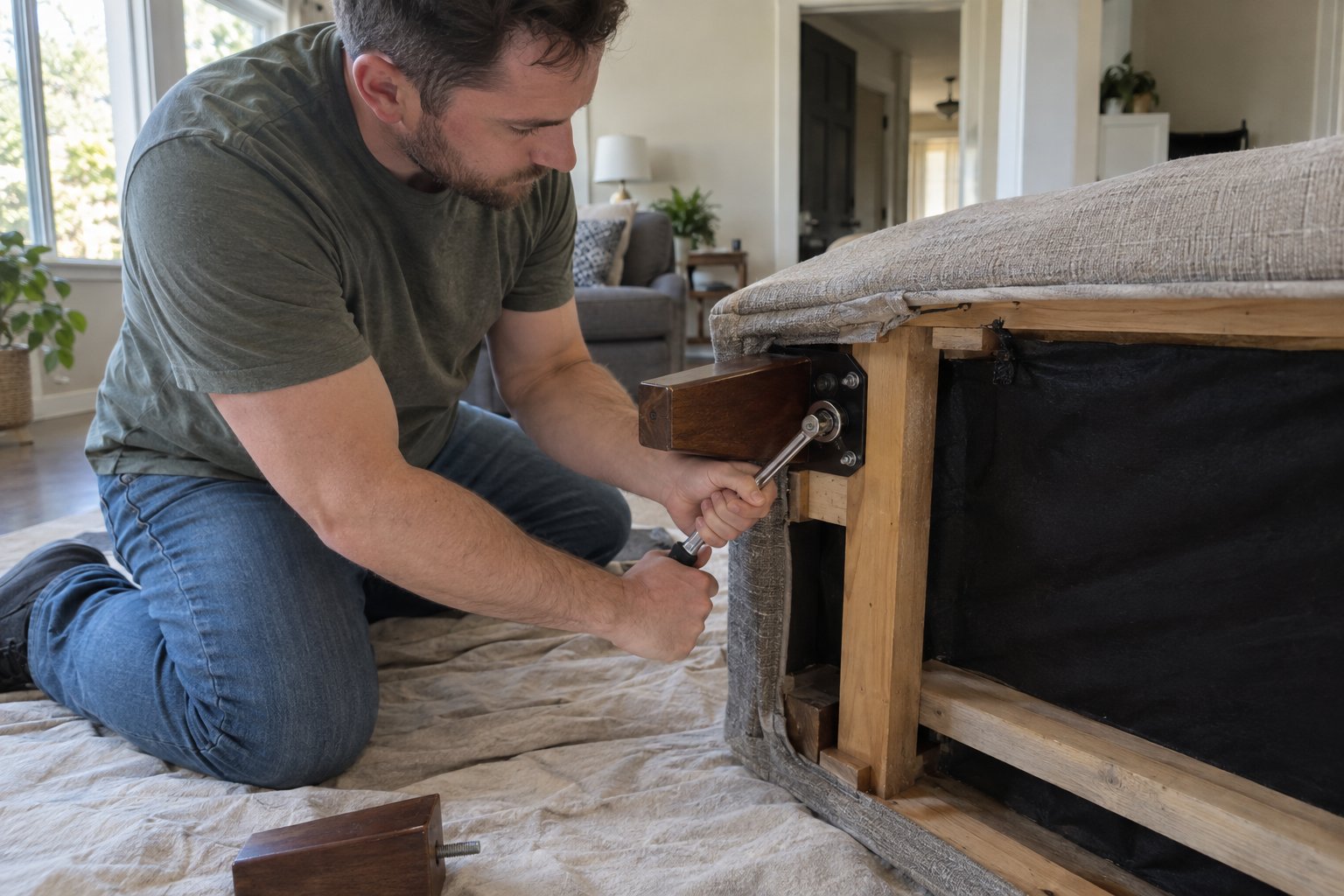
Consult your original instruction manual for disassembly guidance. Most treadmills allow removal of handrails, the console display, and sometimes the running belt. Take photos of each disassembly step so you remember how to reassemble. Place all bolts, screws, and small parts in clearly labeled plastic bags and tape them to the corresponding component.
For motorized incline treadmills, some models allow separation of the deck and motor components, significantly reducing size and weight. Check your manufacturer's recommendations before attempting this.
If you're not completely disassembling your treadmill, secure the running belt so it doesn't shift during transport. Use velcro straps or carefully applied painter's tape to gently hold the belt in place. Never use duct tape directly on the belt, as it can damage the surface. For some models, the belt can be removed entirely and transported separately, reducing vibration and movement during the move.
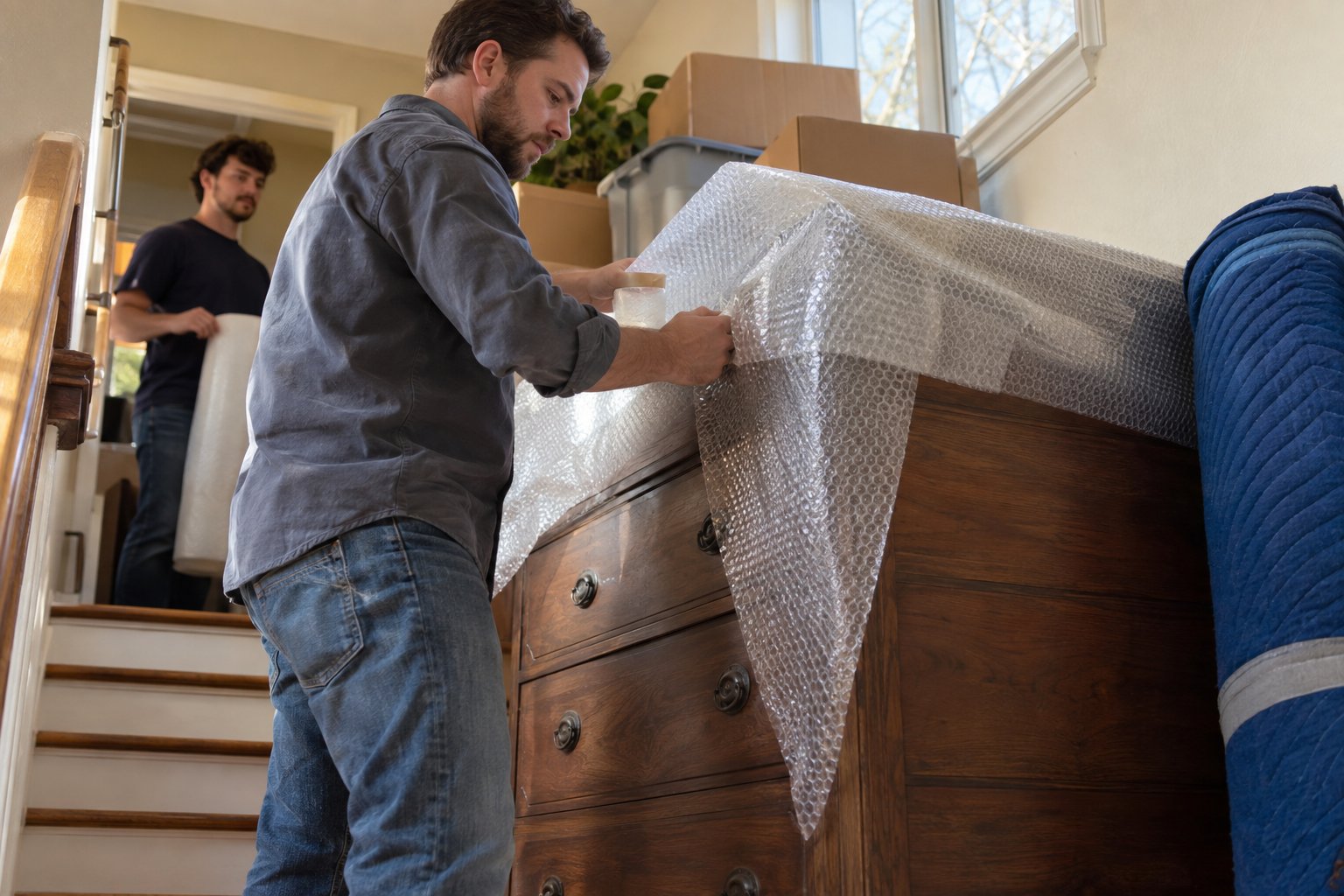
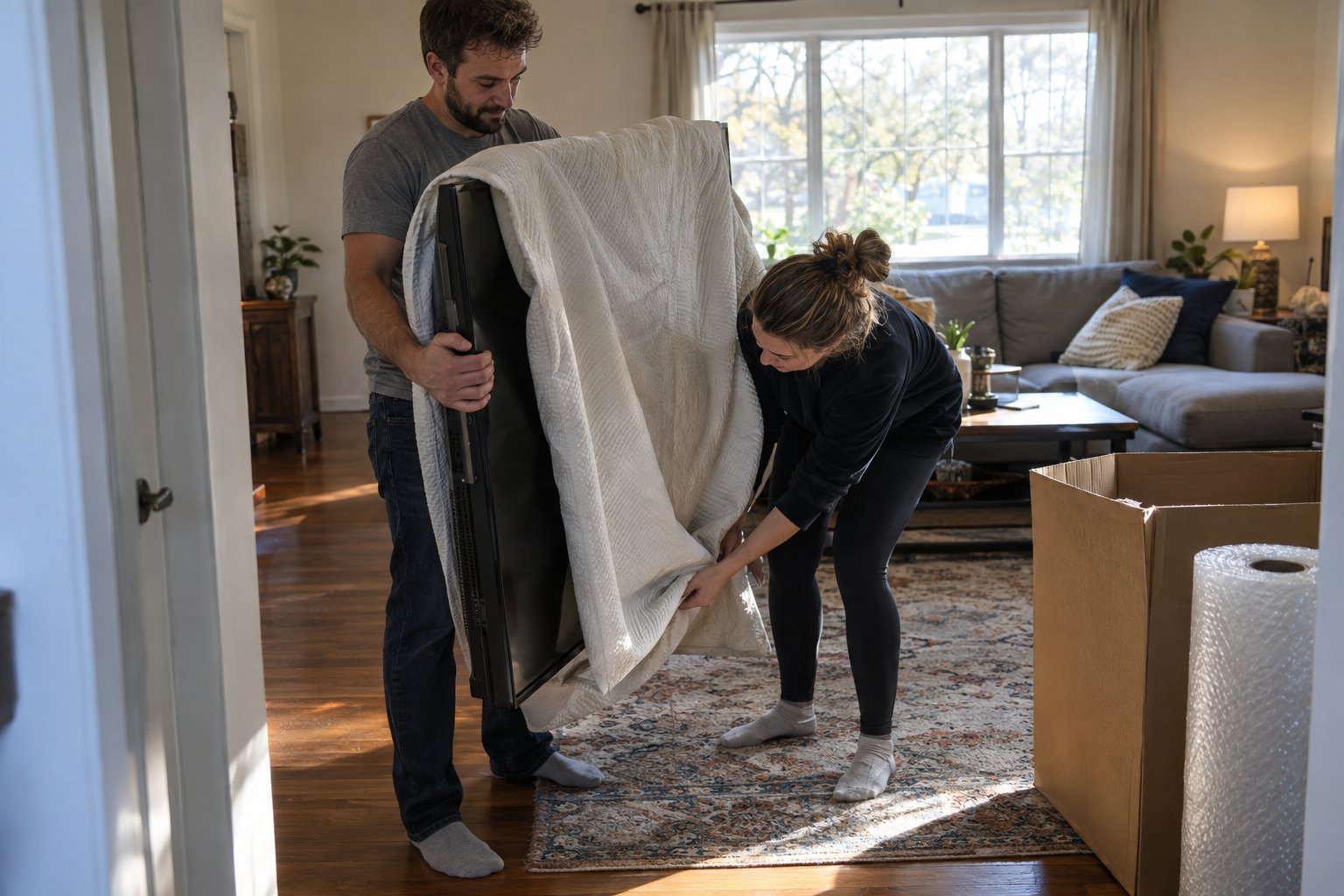
Wrap the entire treadmill in moving blankets, securing them with plastic wrap or painter's tape. Pay special attention to the console screen—this is the most fragile component and often the most expensive to replace. Wrap additional padding around the screen and consider removing it if possible and transporting separately.
Protect all protruding parts like handrails, foot pegs, and the incline mechanism. Use foam padding or towels to cushion these areas from bumps or pressure.
Remove all obstacles from the route where you'll move your treadmill. Clear furniture, decorations, and any items that could impede progress. In Auburn homes, narrow hallways and tight turns are common—measure twice and move carefully.
Protect your floors with cardboard, plywood, or protective pads. Treadmills can easily scratch hardwood, damage tile, or mark linoleum. This simple precaution prevents costly floor repairs.
With at least two strong helpers, carefully tilt the treadmill backward and slide a heavy-duty furniture dolly underneath the front wheels or legs. Ensure the dolly is properly positioned to support the weight evenly. Use moving straps to secure the treadmill tightly to the dolly—never rely on friction alone.
For heavier machines (over 250 pounds), recruit a third helper to guide and balance while two people push. Move slowly and deliberately, maintaining control throughout.
Carefully roll the treadmill along your protected path toward your moving truck. Navigate corners slowly and carefully—sudden movements can tip the dolly or damage the machine. If stairs are involved, this significantly increases complexity and injury risk. For two-story moves or stair navigation, professional movers are strongly recommended.
Position the truck as close as possible to minimize the distance. Use ramps or a lift gate to load the treadmill into the truck. Move slowly up the ramp, maintaining balance and control.
Position the treadmill toward the front or back of the truck, never in the center where it could shift side to side during turns. Place protective pads on the truck floor beneath the treadmill to prevent movement during transit. Use moving straps to secure the machine at multiple points—front, back, and sides if possible.
Keep the treadmill horizontal (not tilted) during transport. Tilting stresses the motor and can damage internal components.
At your new Auburn location, carefully reverse the loading process. Roll the treadmill slowly down the ramp, maintaining full control. Position it in your desired workout space.
If you disassembled the treadmill, reassemble following your photos and the instruction manual step by step. Consult manufacturer guidance for proper bolt tightness and component alignment. Plug the machine into an outlet only after complete reassembly.
Run the treadmill on a low speed without stepping on it to ensure the belt moves smoothly and all components operate correctly. Check for unusual noises or movements. If anything seems off, consult the manufacturer before regular use.
Before using your treadmill after the move, perform a safety inspection. Check that the belt is centered, all bolts are tightened properly, and all safety features (like the emergency stop cord) function correctly. Most manufacturers recommend professional inspection after long moves or if you're unsure about proper reassembly.
Never move a heavy treadmill solo—injury and damage are nearly guaranteed. Skipping protective padding risks scratches, dents, or internal damage. Tilting the treadmill excessively stresses the motor and frame. Failing to secure it properly in the truck causes shifting and potential damage during transport. Rushing reassembly can result in improper alignment or loose components.
For treadmill relocations that require extra expertise, consider hiring professional moving services to ensure safety and prevent equipment damage. Wise Guys Moving brings specialized equipment, experience with fitness equipment, and insurance coverage. We've successfully relocated countless treadmills throughout Auburn and know the local challenges homeowners face.
Auburn's neighborhoods vary widely—from historic homes with narrow doorways to modern properties with spacious layouts. Many Auburn apartments and homes feature stairs or tight hallways that complicate treadmill moves. Our local team navigates these challenges expertly. If you’re relocating fitness equipment outside Auburn, our team also handles treadmill moving in Columbus, GA, providing the same level of care and expertise. For moves during Alabama's hot, humid summers, ensure the treadmill doesn't overheat in the truck by planning moves during cooler morning hours.
Wise Guys Moving brings professional expertise, proper equipment, and insurance coverage to every treadmill move. Our Auburn-based team understands local challenges and delivers reliable, careful service. We handle everything from initial assessment through final installation.
Contact Wise Guys Moving at (334) 610-1593 or sales@wiseguysmove.com for a free consultation on your treadmill moving needs in Auburn, Alabama.
Our services also extend beyond Auburn, making us the go-to choice for anyone seeking trusted movers in Montgomery, AL for treadmill and fitness equipment relocations.

While DIY moves are possible with proper equipment and helpers, professional movers significantly reduce risk of injury and equipment damage. For treadmills weighing over 250 pounds or those requiring stair navigation, professional help is strongly recommended. The cost of hiring movers is far less than potential injury or equipment damage expenses.
Whether disassembly is necessary depends on your treadmill's dimensions and your home's layout. Measure doorways, hallways, and stairwells carefully. If your treadmill won't fit through any passage, disassembly becomes necessary. Consult your instruction manual for manufacturer guidance on safe disassembly procedures.
Wrap the entire machine in moving blankets, paying special attention to the console screen and protruding parts. Secure the running belt so it doesn't shift. Use padding or towels to cushion vulnerable components. In the truck, use moving straps to secure the treadmill at multiple points and keep it horizontal to protect the motor.
For most moves handled carefully, no additional servicing is necessary. However, it's wise to run the treadmill at low speed without stepping on it to ensure everything operates smoothly before regular use. If you notice unusual noises, improper belt alignment, or any concerns, contact the manufacturer or a professional technician before using the machine.
Don't risk injury or equipment damage attempting a DIY treadmill move. Wise Guys Moving brings professional expertise, specialized equipment, and insurance coverage to every Auburn relocation. Our experienced team handles fitness equipment of all sizes with precision and care. Contact us at (334) 610-1593 or email sales@wiseguysmove.com today for your free quote. Let Auburn's trusted movers handle your treadmill move the right way—safe, efficient, and stress-free from start to finish.