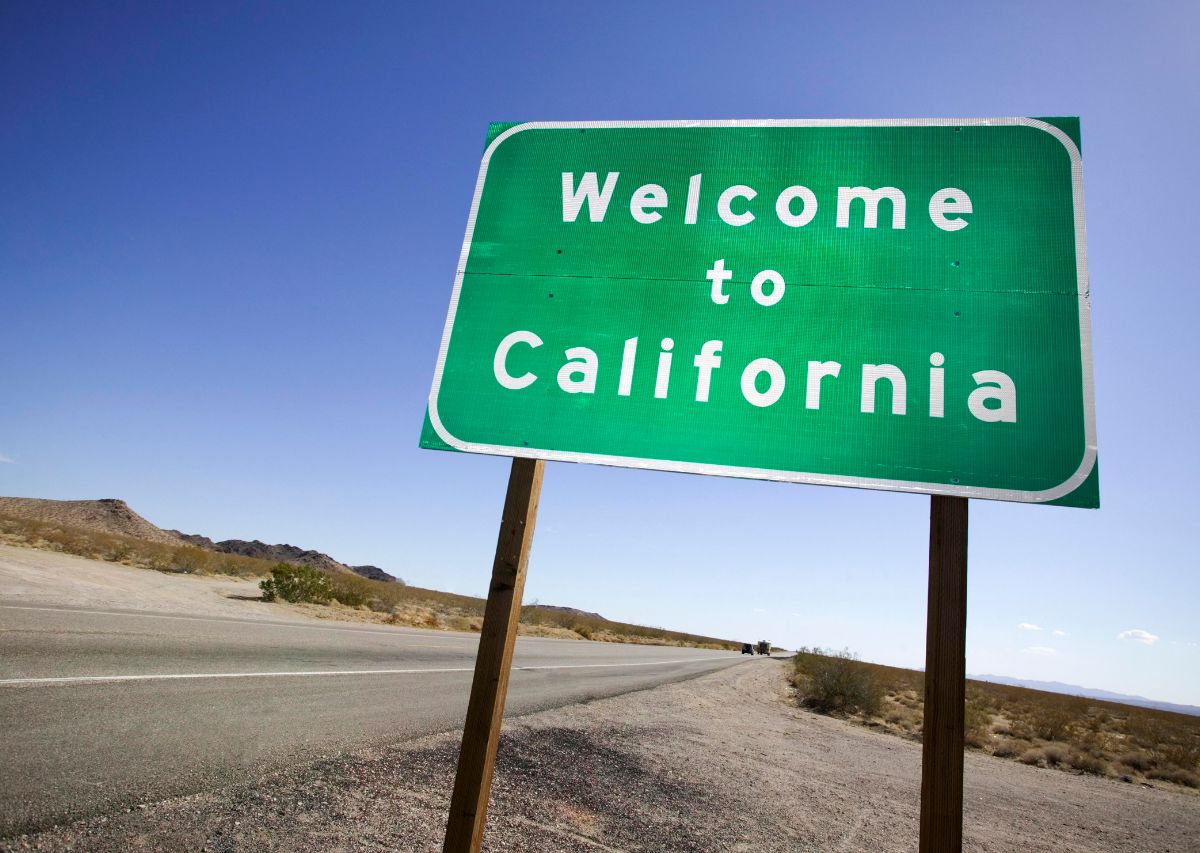
California represents a definitive shift toward a lifestyle defined by geographic diversity, cultural influence, and an unmatched economic scale. Known as the "Golden State," California is characterized by its dramatic landscape—stretching nearly 900 miles from the misty, redwood-covered cliffs of the North Coast to the sun-drenched, palm-lined beaches of the south. As of early 2026, the state remains the most populous in the nation, home to approximately 39.2 million residents. When you organize a move to California, you are entering a region that successfully balances world-class technical innovation with a deep commitment to environmental preservation and an active, outdoor-centric lifestyle. Natural landmarks like Yosemite Valley and the Pacific Coast Highway are central to the state’s global identity. Many newcomers begin their relocation in dense metro areas like Los Angeles or San Francisco, making it helpful to work with professional apartment movers who understand high-rise buildings, urban parking restrictions, and tight city logistics.
The state typically experiences a Mediterranean climate, though its vast size creates distinct climate zones. This variety has made California a premier destination for those who value the ability to surf in the morning and ski in the afternoon. California’s primary "claim to fame" is its status as the global headquarters for both the entertainment industry in Hollywood and the technological revolution in Silicon Valley. From the metropolitan energy of Los Angeles and San Francisco to the quiet, agricultural valleys of the Central Coast, California offers a grounded sense of community and a robust economic foundation. Navigating a successful physical transition to this massive coastal hub requires local knowledge and clear logistics, ensuring you are settled in without unnecessary complications.
A move to California—whether you are heading to a modern high-rise in San Diego or a suburban family home in Sacramento—requires advanced logistics and supportive handling to manage the unique geography and variable traffic patterns. Wise Guys Moving specializes in clear planning to get your property settled safely into your new California home.
Get Your Customized Moving Estimate
Understanding the diverse climate zones of the Golden State is essential for organizing a physical transition. The weather dictates the rhythm of daily life and moving logistics. If you plan a move to California, you must account for these variations during the relocation process to ensure a smooth arrival.
Coastal Regions (San Diego to San Francisco): These areas enjoy mild temperatures year-round. Southern California stays sunny and warm, while Northern California coastal cities experience the famous "marine layer" fog. Moving here is viable any month, though autumn offers the clearest skies.
The Central Valley (Sacramento to Bakersfield): This region sees hot, dry summers where temperatures frequently exceed 100°F. If moving here in summer, start very early to avoid the peak heat. Winters are cool and can feature heavy "Tule fog."
Mountain Regions (Sierra Nevada): High-altitude areas experience significant snowfall from November through April. If your move involves crossing mountain passes, monitor weather reports closely to avoid road closures.
Best Time to Move: The most predictable and comfortable weather for moving occurs in late spring and early autumn. During this window, you avoid the intense summer heat of the inland valleys and the unpredictable winter rains or snow that can impact major mountain corridors.
A major financial consideration for anyone deciding to move to California is the state’s premium housing market. While the state offers high-paying professional opportunities, housing costs are significantly above the national average, requiring a grounded and realistic budget.
The cost of housing is the most significant localized variable. As of 2026, the median home value in California is approximately $830,000, which is nearly double the national average. However, the market varies drastically by region. In desirable coastal hubs like San Jose or Orange County, median prices frequently exceed $1.2 million. Conversely, inland regions like the Inland Empire or the Central Valley offer more approachable entries, with median values often between $500,000 and $600,000.
Rental trends follow a similar pattern. The average rent for a two-bedroom apartment in California is roughly $2,800. In comparison, a similar apartment in a modern Santa Monica complex might command $4,500, while parts of Fresno average around $1,800. Residents also benefit from a cost of living that is roughly 40% to 50% above the national average, primarily driven by housing, utilities, and fuel. Overall, California offers a grounded lifestyle that provides high value when factoring in the high localized salaries found in the tech, entertainment, and specialized agricultural sectors.
The California economy is resilient, localized, and leads the nation in several high-growth sectors. If you are a professional making a move to California for career advancement, you will likely find yourself in one of these three dominant industries:
Technology and Artificial Intelligence: Centered in Silicon Valley and "Silicon Beach" (LA), California is the global engine for AI and software. Major employers like Google, Meta, and NVIDIA provide thousands of high-wage roles.
Entertainment and Digital Media: Anchored in Los Angeles, this sector includes traditional film and television alongside the rapidly growing world of streaming and video game development. Major players like Disney, Netflix, and Warner Bros. Discovery are top-tier employers.
Agriculture and Renewable Energy: California produces over a third of the country's vegetables and two-thirds of its fruits. Additionally, the state leads in green tech, with massive investments in solar, wind, and electric vehicle manufacturing (Tesla, Rivian).
Major Employers and Commutes: Beyond the private sector, the University of California system is a primary employer. Commute trends are a defining part of California life; traffic in LA and the Bay Area is heavy. Average commutes often fall between 30 and 45 minutes, though the state has invested heavily in expanding light rail and HOV lanes to help alleviate these localized bottlenecks.
Transportation in California is diverse, reflecting the state's growth from a frontier territory to a modern global hub. While personal vehicles remain the dominant mode of travel, the state's urban centers feature expanding transit options. When you move to California, your daily logistics will shift based on your region.
Major Aviation Hubs: LAX (Los Angeles) and SFO (San Francisco) are the primary international gateways. SAN (San Diego) and SMF (Sacramento) provide vital regional and national connections. Most residents are within an hour of a commercial airport.
Public Transit and Rail: San Francisco’s BART and Muni are world-class. Los Angeles is rapidly expanding its Metro Rail system ahead of the 2028 Olympics. Amtrak’s Pacific Surfliner offers a scenic localized rail link along the Southern California coast.
The Highway System: California is famous for its freeways. The I-5 runs north-south through the state's heart, while the US-101 and PCH offer coastal access. These arteries are vital for commerce, though they require careful navigation during peak hours.
Walkability: Certain localized areas like West Hollywood, Downtown San Diego, and San Francisco’s North Beach offer high walkability scores.
Organizing a move to California requires specific planning, especially regarding the state’s unique geography and strict regulations. Clear logistics ensure your transition is supportive and organized. If you are relocating from another state, working with experienced long-distance moving services can simplify the process by coordinating transport logistics, packing strategies, and delivery scheduling across multiple states.
Understand Long-Distance vs. Local: For moves under 100 miles, local moving services usually charge an hourly rate based on the crew size. For moves crossing state lines (interstate), quotes are typically based on the total weight of your items and the distance traveled.
Downsize Before You Pack: Space is at a premium in many California homes. Before you leave, donate or sell items you haven't used in the last year. This is a vital step to simplify the process and reduce the total weight of your shipment.
The "California Wrap" for Humidity: If your items are traveling from a humid climate to a dry California desert, professional movers use advanced padding to protect wood furniture from drying out or warping during the transition.
Community Knowledge: Choose a moving company familiar with localized logistics, such as navigating narrow hills in San Francisco or understanding the strict parking permit requirements in Los Angeles and West Hollywood.
Address Change and Registration: California law requires you to update your driver's license and vehicle registration within 10 to 20 days of establishing residency. You will need to obtain a California smog check for your vehicle before visiting the DMV.
A move to California is a big step forward for your career and family lifestyle. The Golden State offers a supportive environment grounded in localized community and technical innovation. Organizing a successful relocation helps set a positive tone for your entire journey. At Wise Guys Moving, we understand the specific logistical steps needed to move your property safely over long distances and through variable weather patterns. Whether you are relocating your household or planning a company transition, our commercial moving solutions can help businesses relocate efficiently while minimizing operational downtime.
Call Wise Guys Moving at (334) 610 1593 or email us at sales@wiseguysmove.com today to organize your free moving estimate.

Generally, yes. Housing and fuel prices are higher than the national average. However, the state offers high salaries in tech and entertainment sectors that help balance the localized cost of living.
October is ideal. You avoid the high summer heat in the Central Valley and the potential for winter rains, while enjoying the best outdoor weather the state offers.
In most of the state, yes. While San Francisco is walkable and LA is expanding its transit, a vehicle is necessary for daily tasks and exploring the many state parks.
California is home to the world-class University of California (UC) and CSU systems. Public K-12 schools vary by district, with many highly-rated localized options in suburban communities.
The market is active and moves fast. Have your credit report, proof of income, and security deposit ready as soon as you find a localized neighborhood you like.