When homeowners sketch out their room-by-room moving plan, the basement almost always gets pushed to the final week — but knowing how to pack and move a basement the right way can save you from damaged appliances, ruined keepsakes, and a moving day that spirals hours past schedule. The basement is one of the most deceptively demanding spaces in the home: it accumulates bulk furniture, seasonal equipment, power tools, sentimental storage, and moisture-exposed items all under one roof, often without a clear organizational system to guide you.
Whether you are relocating across Auburn or moving to an entirely new city, this guide walks you through every step of packing and moving your basement safely and efficiently. When you are ready to leave the hard work to the professionals, call Wise Guys Moving at (334) 610-1593 or get a free moving quote today.
The basement presents a category of moving challenges that are entirely different from any other space in the home. Unlike the attic — where extreme heat and difficult access are the main obstacles — or the garage — where hazardous materials and heavy tools dominate the risk profile — the basement combines persistent moisture, heavy and awkwardly shaped items, potential utility hookups, and years of accumulated belongings into one high-stakes environment.
Think about what a typical basement actually contains: a water heater, a furnace or HVAC system, a sump pump, shelving units packed with tools and hardware, a chest freezer, holiday decorations, sports equipment, old furniture, boxes of documents, paint cans, cleaning chemicals, power tools, extension cords, children's old toys, and items so long untouched that their contents are genuinely unknown. Each of these categories carries its own risk. A freezer that has not been defrosted in advance will leak water into the moving truck. Paint cans and chemical solvents can pose a hazard if not disposed of or transported correctly. Heavy shelving units that are not fully emptied before being moved can collapse and injure movers.
A rushed basement pack consistently produces the same bad outcomes: leaking appliances, broken tools scattered across box bottoms, and a moving crew forced to improvise with items that were never properly prepared. Plan to begin your basement at least one to two weeks before moving day — it almost always takes longer than homeowners expect.
The most important move you can make before packing your basement is resisting the urge to box everything up and sort it later. The basement is where belongings go to be forgotten, and your moving day is the single best opportunity to break that cycle. Bringing unwanted items to your new home only means filling a new basement with the same clutter.
Set aside at least one full morning or afternoon specifically for sorting — not packing. Designate three clearly labeled areas in a staging zone outside the basement (a garage, driveway, or hallway): Keep, Donate/Sell, and Discard. Work systematically from one end of the basement to the other rather than jumping between areas. Open every box and bin. If you cannot identify the contents without opening it, it has been stored too long to pack blindly.
Be honest about what your household genuinely uses. Duplicate tools you have not touched in years, furniture pieces you have been "saving" without a specific destination, sports equipment from hobbies long abandoned, and appliances with missing parts are all strong candidates for the Donate or Discard pile. The less you move, the faster and more affordable your relocation will be.
Basements frequently store materials that cannot legally or safely travel in a moving truck. Before packing anything else, walk through the basement and pull out any items in these categories:
Removing hazardous materials early reduces risk for your moving crew and protects your other belongings from contamination during transit.
Attempting to pack the entire basement as one undifferentiated mass is a recipe for chaos. Instead, divide the space into logical zones and work through each one completely before moving to the next. Most basements can be broken into four zones: utilities and mechanical, storage and shelving, workshop or hobby area, and overflow living or recreation space.
The utilities zone — water heater, furnace, sump pump, electrical panel — is not something you pack, but it is something you must prepare. Several weeks before your move, contact a licensed plumber or HVAC technician to properly disconnect and drain the water heater if it is being relocated. Never attempt to move a water heater without draining it first; residual water adds significant weight and can cause serious water damage in transit.
If your home has a sump pump, verify whether it stays with the house or travels with you. In most cases it is part of the home's permanent infrastructure and remains behind. Confirm this with your real estate agent or attorney before moving day to avoid any disputes.
Storage shelving is one of the highest-volume areas in any basement. Follow this sequence for packing shelving efficiently:
If your basement includes a workbench, tool storage, or hobby area, these items require careful individual attention. Power tools should be packed in their original cases whenever possible. If original cases have been lost, wrap tools in moving blankets or heavy packing paper and pack them snugly in sturdy boxes. Never pack power tools loosely — shifting during transit can damage motors and cutting edges.
Small hardware — screws, nails, drill bits, bolts — should be consolidated into clearly labeled zip-lock bags or small plastic containers before boxing. A single dropped container of mixed hardware in a moving truck can create a dangerous floor hazard and a sorting nightmare at your destination.
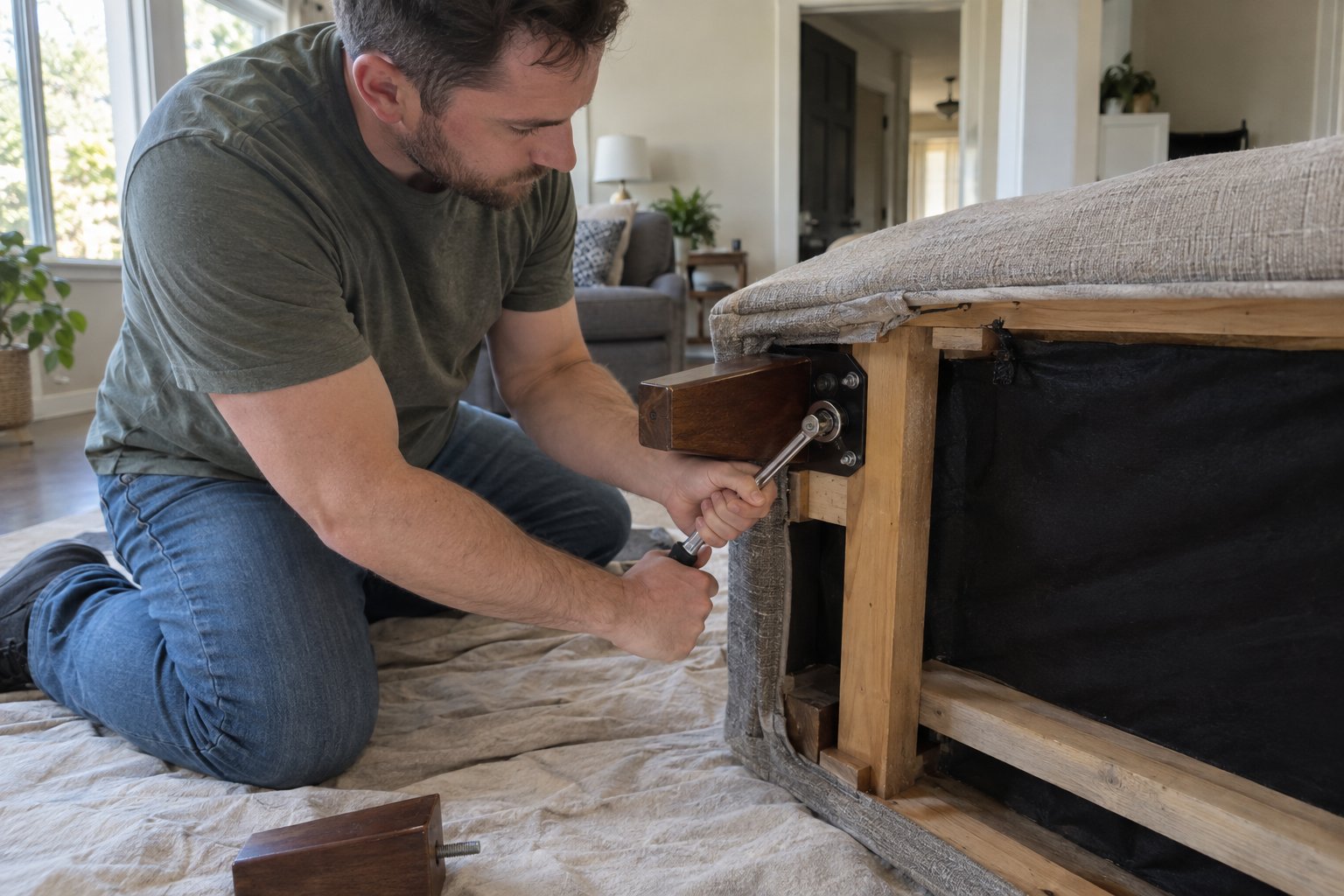
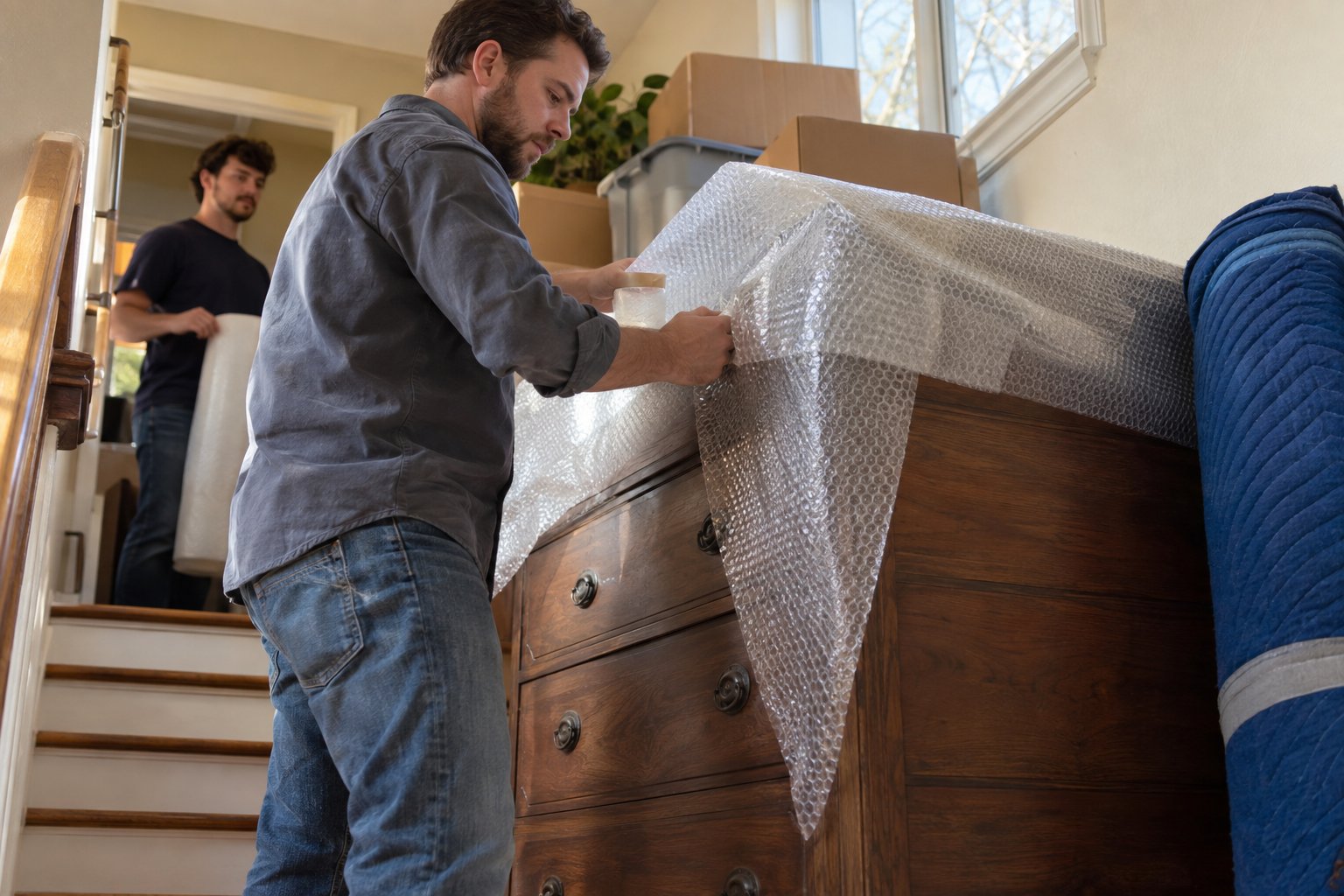
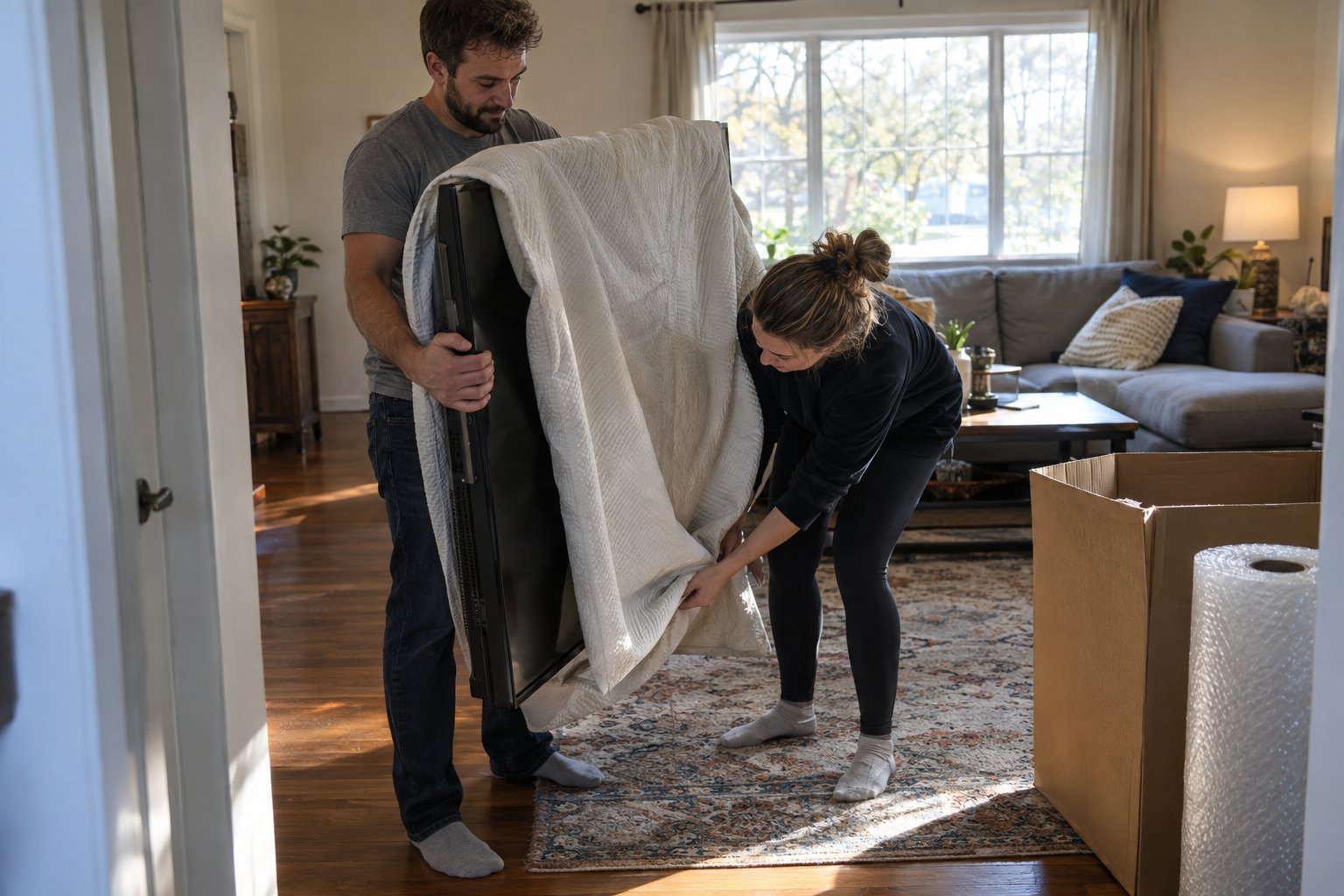
Many basements serve double duty as a recreation room, home gym, or second living area. Furniture in this zone should be treated the same as any other room's furniture: disassemble what can be disassembled, wrap upholstered pieces in furniture pads or stretch wrap, and protect glass table tops and shelving with corner guards and bubble wrap.
Home gym equipment — treadmills, weight racks, elliptical machines — is exceptionally heavy and often requires professional disassembly before it can be safely moved. If you have large gym equipment in your basement, discuss it with your moving company well in advance of moving day so the crew arrives prepared with the right equipment and staffing.
If your basement contains a chest freezer or an additional refrigerator, these appliances require preparation that must begin several days before your move — not the morning of.
At minimum 24 to 48 hours before your move, unplug your chest freezer or secondary refrigerator and allow it to defrost completely with the door propped open. Place old towels around the base to absorb melt water. Once fully defrosted, clean and dry the interior thoroughly to prevent mold growth during transit. Never move a freezer that still contains ice or standing water — even a small amount of residual water can cause significant damage to other items in the truck.
Once the appliance is clean and dry, tape the door or lid shut with moving tape, and secure any removable shelving or baskets separately so they do not shift and crack during transport.
Large basement appliances are difficult to navigate through stairwells, tight doorways, and around structural posts. Before moving day, measure the appliance dimensions and the clearance of your basement stairway and door. If the measurements are close, notify your moving company so they can bring appliance dollies and furniture sliders appropriate for the job. Attempting to muscle a chest freezer up a narrow basement staircase without proper equipment is one of the most common causes of wall damage and mover injury during residential relocations.
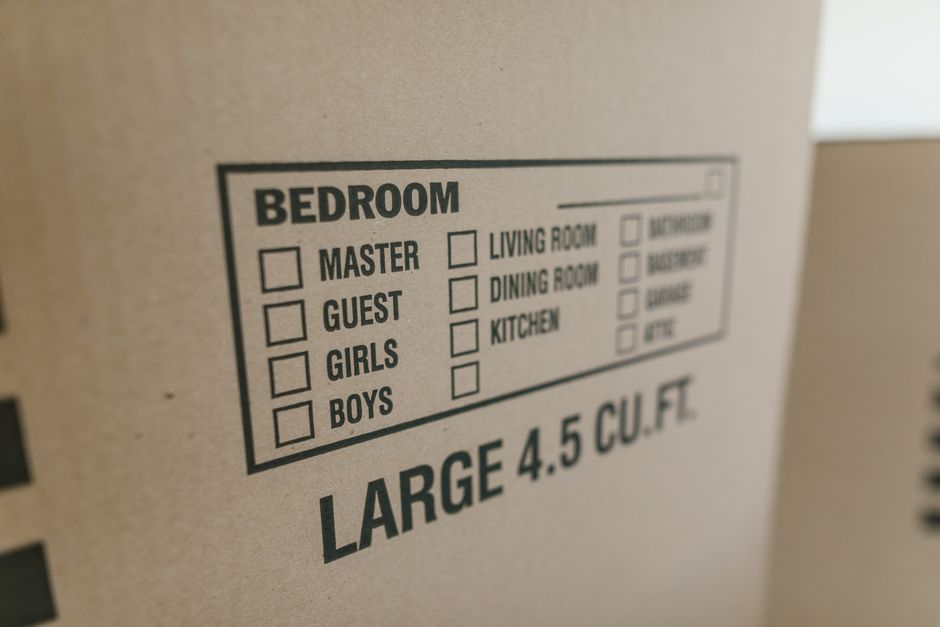
Basement boxes are notorious for arriving at new homes without adequate labels, which means unpacking becomes a guessing game that stretches across weeks. Every box that leaves your basement should carry at minimum:
When it comes to loading order, basement items — especially heavy appliances and tool boxes — are typically loaded first and positioned at the front of the truck against the cab wall. This keeps the heaviest weight low and stable during transit. Lighter, fragile basement boxes should be loaded later and stacked on top of or adjacent to lighter items from other rooms.
Even the most organized homeowner benefits from professional help when it comes to basement moves. The combination of heavy appliances, awkward stairwells, hazardous materials awareness, and high box volume makes the basement one of the rooms where DIY moving carries the most risk of injury and property damage.
Wise Guys Moving has the equipment, experience, and staffing to handle basements of any size — from a small storage space to a fully finished basement with gym equipment and appliances. Our team will arrive with the right dollies, moving blankets, and straps to protect both your belongings and your walls throughout the process. Call us at (334) 610-1593 or request a free quote online and let us take the hardest parts of your move off your plate.
Most homeowners underestimate the basement significantly. Plan to begin sorting and packing at least one to two weeks before moving day. If your basement is large, fully finished, or contains appliances that require advance defrosting and professional disconnection, starting two to three weeks out gives you the buffer you need to avoid last-minute chaos.
Generally, no. Most professional moving companies — including Wise Guys Moving — cannot transport flammable liquids, corrosive chemicals, propane tanks, pesticides, or paint in a moving truck. These items must be disposed of properly before your move. Check with your local municipality for hazardous waste drop-off events, or contact Wise Guys Moving for guidance on what can and cannot be loaded.
Unplug the appliance at least 24 to 48 hours before your moving day and leave the door or lid open to allow full defrosting. Absorb melt water with towels, then clean and dry the interior completely before moving day. Tape the door shut and secure any removable internal components separately. Moving an appliance that still contains ice or standing water can damage both the appliance and other items in the truck.
Heavy gym equipment — treadmills, weight racks, cable machines, and ellipticals — is exceptionally difficult and risky to move without proper equipment and experience. These items are often too heavy for a standard hand truck, require partial disassembly before they can navigate a staircase, and can cause serious injury if they shift unexpectedly. We strongly recommend discussing basement gym equipment with your moving company well in advance so the crew arrives with the right tools and staffing.
Every basement box should include three pieces of information: the destination room in your new home (which may not be the basement), a brief contents description, and any handling instructions such as 'Heavy,' 'Fragile,' or 'This Side Up.' Color-coded tape by destination room can also speed up unloading significantly. Avoid labels that just say 'Basement Misc' — those boxes are the last to get unpacked at every single move.

Most homeowners underestimate the basement significantly. Plan to begin sorting and packing at least one to two weeks before moving day. If your basement is large, fully finished, or contains appliances that require advance defrosting and professional disconnection, starting two to three weeks out gives you the buffer you need to avoid last-minute chaos.
Generally, no. Most professional moving companies — including Wise Guys Moving — cannot transport flammable liquids, corrosive chemicals, propane tanks, pesticides, or paint in a moving truck. These items must be disposed of properly before your move. Check with your local municipality for hazardous waste drop-off events, or contact Wise Guys Moving for guidance on what can and cannot be loaded.
Unplug the appliance at least 24 to 48 hours before your moving day and leave the door or lid open to allow full defrosting. Absorb melt water with towels, then clean and dry the interior completely before moving day. Tape the door shut and secure any removable internal components separately. Moving an appliance that still contains ice or standing water can damage both the appliance and other items in the truck.
Heavy gym equipment — treadmills, weight racks, cable machines, and ellipticals — is exceptionally difficult and risky to move without proper equipment and experience. These items are often too heavy for a standard hand truck, require partial disassembly before they can navigate a staircase, and can cause serious injury if they shift unexpectedly. We strongly recommend discussing basement gym equipment with your moving company well in advance so the crew arrives with the right tools and staffing.
Every basement box should include three pieces of information: the destination room in your new home (which may not be the basement), a brief contents description, and any handling instructions such as 'Heavy,' 'Fragile,' or 'This Side Up.' Color-coded tape by destination room can also speed up unloading significantly. Avoid labels that just say 'Basement Misc' — those boxes are the last to get unpacked at every single move.