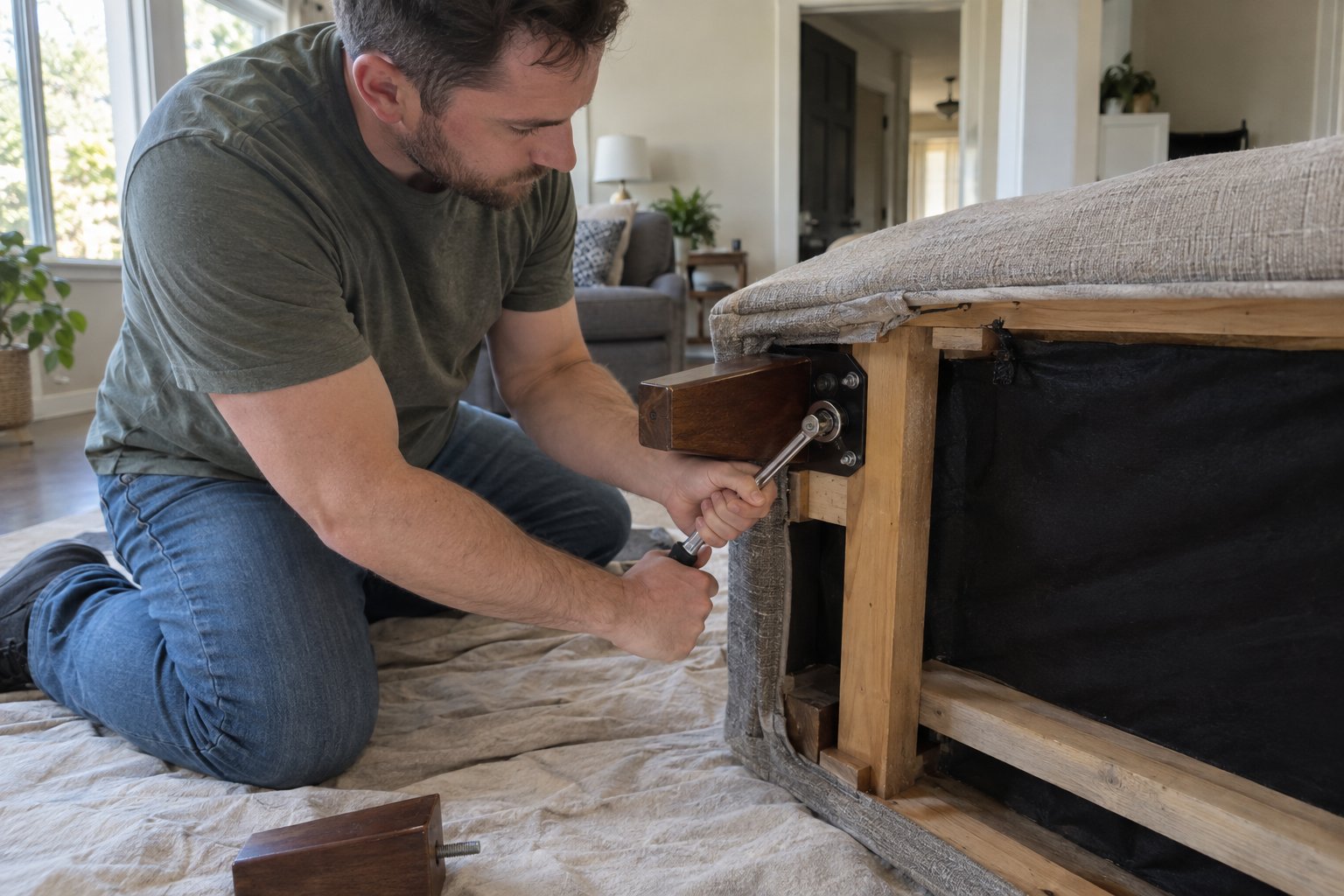
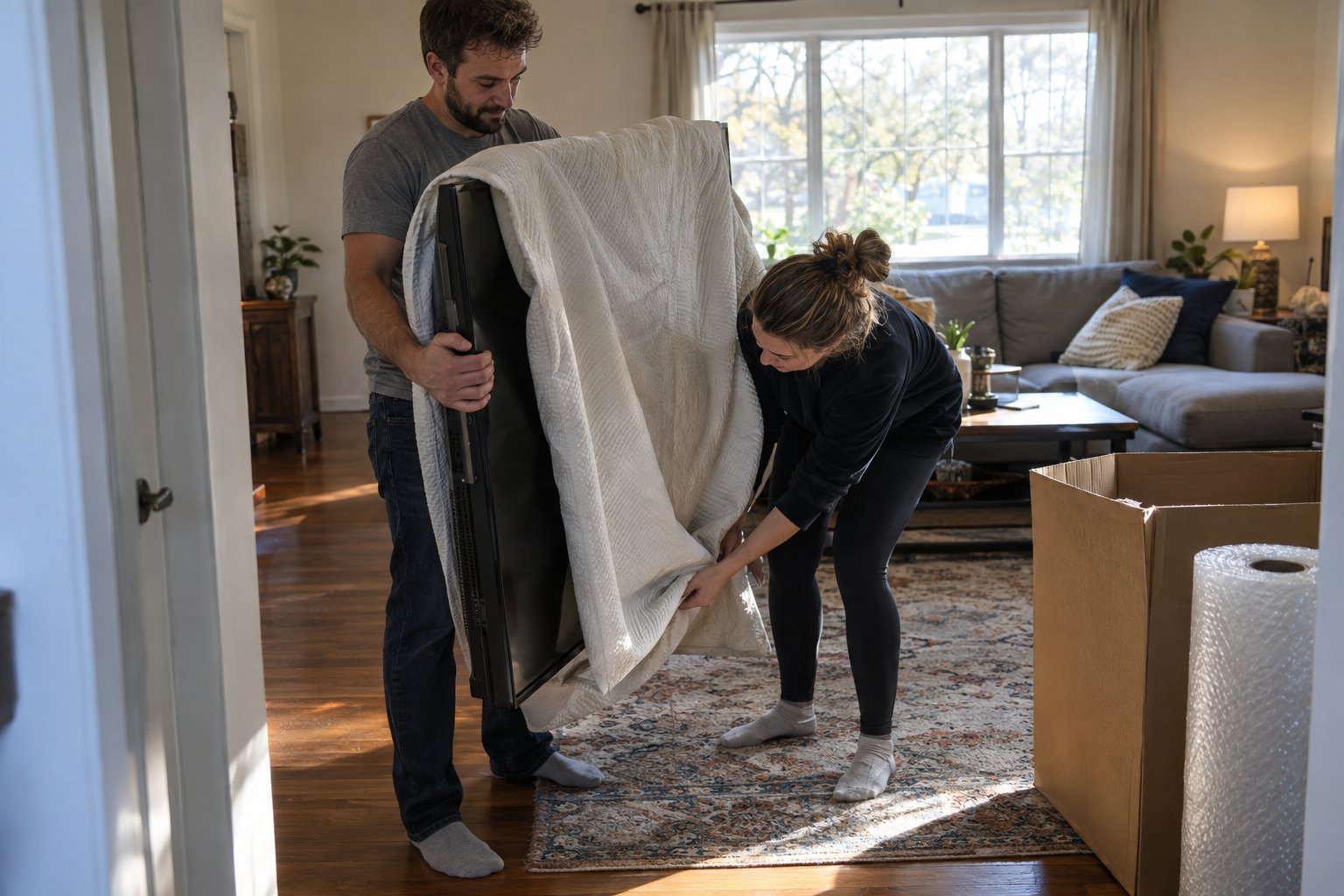
Moving with a storage unit makes sense when your move-out date and move-in date do not line up, when you are downsizing and need time to decide what stays, or when your new place simply cannot hold everything on day one. The tricky part is not whether to use storage, it is figuring out how much you need and for how long, so you are not paying for a unit that sits mostly empty or scrambling for a bigger one at the last minute.
This guide breaks down the situations where storage actually solves a problem versus where it just adds an extra step, and walks through how to size and time a rental so it fits your move instead of complicating it.
You need storage when there is a gap between leaving your old home and settling into your new one, or when the new space is smaller than the old one. If your closing dates line up perfectly and your new home has the same or more room, you probably do not need it at all.
Common triggers for renting storage during a move include:
If none of these apply, skip the storage line item and put that budget toward the move itself.
Most facilities rent month to month, so anything under 30 days rarely costs less than that first full month, meaning short gaps of a week or two still get billed as a full cycle. Storage stops paying for itself once you are holding onto items you have not needed in six months to a year, at which point the smarter move is usually to sell or donate rather than keep renewing.
A useful way to think about it: if you can name the exact date you will retrieve an item, storage is doing its job as a bridge. If you cannot picture when you will need it again, you are paying rent on stuff you have already mentally moved on from. Set a calendar reminder for your unit's renewal date so you actually reassess instead of letting the rental roll over automatically.
For stays longer than a month, or for anything stored through a hot Alabama summer, climate-controlled units protect wood furniture, electronics, photos, and books from humidity and temperature swings far better than a standard unit. The extra monthly cost is usually small compared to replacing warped furniture or mildewed boxes.
A one-bedroom apartment's worth of belongings typically fits a 5x10 unit, a full house of furniture and boxes usually needs a 10x15 or 10x20, and anything in between should be sized against a room-by-room inventory rather than guessed. Renting too small means paying for a second unit later; renting too large means paying for air.
Walk through your home and count large furniture pieces (sofas, beds, dressers, tables) plus an estimate of boxes per room. Most facilities publish rough size guides, but the safest approach is to ask the facility staff to walk through your list with you, since they size units daily and will flag if you are underestimating.
Heavy, sturdy items go on the bottom and toward the back, items you might need sooner go near the door, and furniture gets stood on end where possible to save floor space. Leave a narrow aisle if you expect to need anything mid-rental. A unit packed without a plan fills up fast and forces you into a bigger, more expensive size than you actually needed.
Movers who offer their own storage-in-transit save you a second pickup and delivery, which matters most when the gap between homes is short and predictable. A standalone self-storage facility usually costs less for longer stays and gives you flexible access, which matters more when you are not sure exactly when you will need items back.
If your timeline is tight and measured in days, ask your moving company whether they offer storage as part of the move so your belongings only get handled once. For gaps measured in months, or if you will need to get into the unit yourself between now and moving day, a dedicated facility with regular access hours is the better fit. Either way, confirm in writing how items are inventoried and insured while stored, not just while in transit.
Storage works best when it is planned into your move from the start rather than added in a panic a few days before your move-out date. Reserve the unit at least two to three weeks ahead during busy moving months, and confirm your movers know a storage stop is part of the job so they can plan the truck and crew time accordingly.
If you are still working out the rest of your moving schedule, a broader look at how long a move typically takes can help you see where a storage gap is likely to land and how much lead time to give yourself. And if you are trying to avoid needing as much storage in the first place, going through how to downsize before a move before packing day is the fastest way to shrink the unit size you actually need.
Once you know roughly how much space and time you need, get quotes for both the move and any storage-in-transit option at the same time so you can compare true costs. Our team can walk through your timeline and get you a free moving quote that accounts for a storage gap if your move needs one.
Some moving companies allow short-term storage in a locked, parked truck for a night or two, but this is not ideal for valuables or climate-sensitive items and not all companies offer it. It is best treated as a stopgap for a one or two day gap, not a substitute for an actual storage unit.
Most self-storage facilities require proof of insurance and often sell their own policies, which is separate from any valuation coverage your moving company provides during transit. Check whether your homeowner's or renter's policy already extends to stored property before buying a duplicate policy.
Many facilities allow same-day rental, but during peak moving season (late spring through late summer) popular sizes can sell out, so reserving two to three weeks ahead is safer than assuming a unit will be available on short notice.
Perishable food, flammable liquids, propane tanks, and anything with strong sentimental or irreplaceable value (original documents, heirloom jewelry) are poor fits for standard units. Keep those with you or use a climate-controlled, insured option built for high-value items.
For gaps under a month, storage is almost always cheaper than paying for a second full move, since you avoid double loading and transport fees. For gaps stretching several months, run the math on monthly storage rent against what you would spend renting a short-term furnished space instead.

Some moving companies allow short-term storage in a locked, parked truck for a night or two, but this is not ideal for valuables or climate-sensitive items and not all companies offer it. It is best treated as a stopgap for a one or two day gap, not a substitute for an actual storage unit.
Most self-storage facilities require proof of insurance and often sell their own policies, which is separate from any valuation coverage your moving company provides during transit. Check whether your homeowner's or renter's policy already extends to stored property before buying a duplicate policy.
Many facilities allow same-day rental, but during peak moving season (late spring through late summer) popular sizes can sell out, so reserving two to three weeks ahead is safer than assuming a unit will be available on short notice.
Perishable food, flammable liquids, propane tanks, and anything with strong sentimental or irreplaceable value (original documents, heirloom jewelry) are poor fits for standard units. Keep those with you or use a climate-controlled, insured option built for high-value items.
For gaps under a month, storage is almost always cheaper than paying for a second full move, since you avoid double loading and transport fees. For gaps stretching several months, run the math on monthly storage rent against what you would spend renting a short-term furnished space instead.