When people build their moving checklist, the garage is almost always saved for last — and almost always underestimated. Knowing how to pack and move a garage the right way can spare you from broken tools, hazardous chemical spills, and a moving truck that is dangerously overloaded on one side. Garages tend to accumulate years' worth of gear: power tools, lawn equipment, paint cans, sports gear, automotive supplies, and boxes of miscellany that never quite found a permanent home. That combination of heavy, sharp, flammable, and awkward makes the garage one of the most logistically demanding rooms in any home.
Whether you are moving across Auburn or relocating to an entirely new city, this guide walks you through every step of packing and moving your garage safely and efficiently. When you are ready to leave the hard work to the professionals, call Wise Guys Moving at (334) 610-1593 or get a free moving quote today.
The garage presents a category of moving challenges you simply will not encounter in any other room of the house. Unlike a bedroom — where the main concerns are bulky furniture and personal belongings — or a kitchen — where the challenge is fragile dishes and heavy appliances — the garage combines all of those difficulties and then adds hazardous materials, extreme weight, and irregular shapes into the mix.
A lawnmower is not just heavy; it has residual fuel that can ignite. A workbench is not just bulky; it may have sharp edges that tear boxes and injure movers if not wrapped properly. A collection of spray cans and solvents cannot legally or safely be loaded onto a moving truck without specific precautions. Treating the garage like any other room is a reliable path to damaged property, moving delays, and potentially dangerous situations.
Plan to begin your garage packing at least one to two weeks before moving day. The garage will almost certainly take longer than you expect, so earlier is always better.
The garage is the champion of clutter accumulation in most homes. It is where things go when no one is sure where else to put them. Before you even think about packing materials, you need to conduct an honest, systematic purge. Moving is the single best opportunity you will ever have to reset the garage, and doing so reduces your load, lowers your moving costs, and makes unpacking far less chaotic.
Pull items out of shelving, off pegboards, and out of cabinets. Sort everything into four groups: keep, donate, sell, and dispose of properly. Be ruthless. If you have not used a tool or piece of equipment in more than two years and it serves no specific future purpose at your new home, now is the time to let it go. The money saved on moving costs by reducing your load often exceeds whatever you might have gotten for the item at a garage sale.
Working power tools, sporting goods, and lawn equipment in good condition can often be donated to Habitat for Humanity ReStores, sold on local Facebook Marketplace listings, or passed along to neighbors and friends. Start this process at least ten days before your move to give yourself enough time to complete transactions without the pressure of an imminent moving truck.
Certain garage items cannot simply be thrown in a garbage bin or loaded onto a moving truck. These include: old paint cans, motor oil, gasoline, fertilizers, pesticides, pool chemicals, and batteries. Many municipalities — including those in the Auburn, AL area — operate household hazardous waste (HHW) drop-off events or permanent collection sites. Check with the City of Auburn or Lee County for current disposal options before your moving date. Do not wait until the day before the move to research this; collection events may only happen on specific days.
Tools are among the most dangerous items to pack carelessly. Sharp edges, protruding handles, and sheer weight make them capable of tearing through boxes, injuring handlers, and damaging other items in the truck. A methodical approach here protects both your belongings and the people doing the moving.
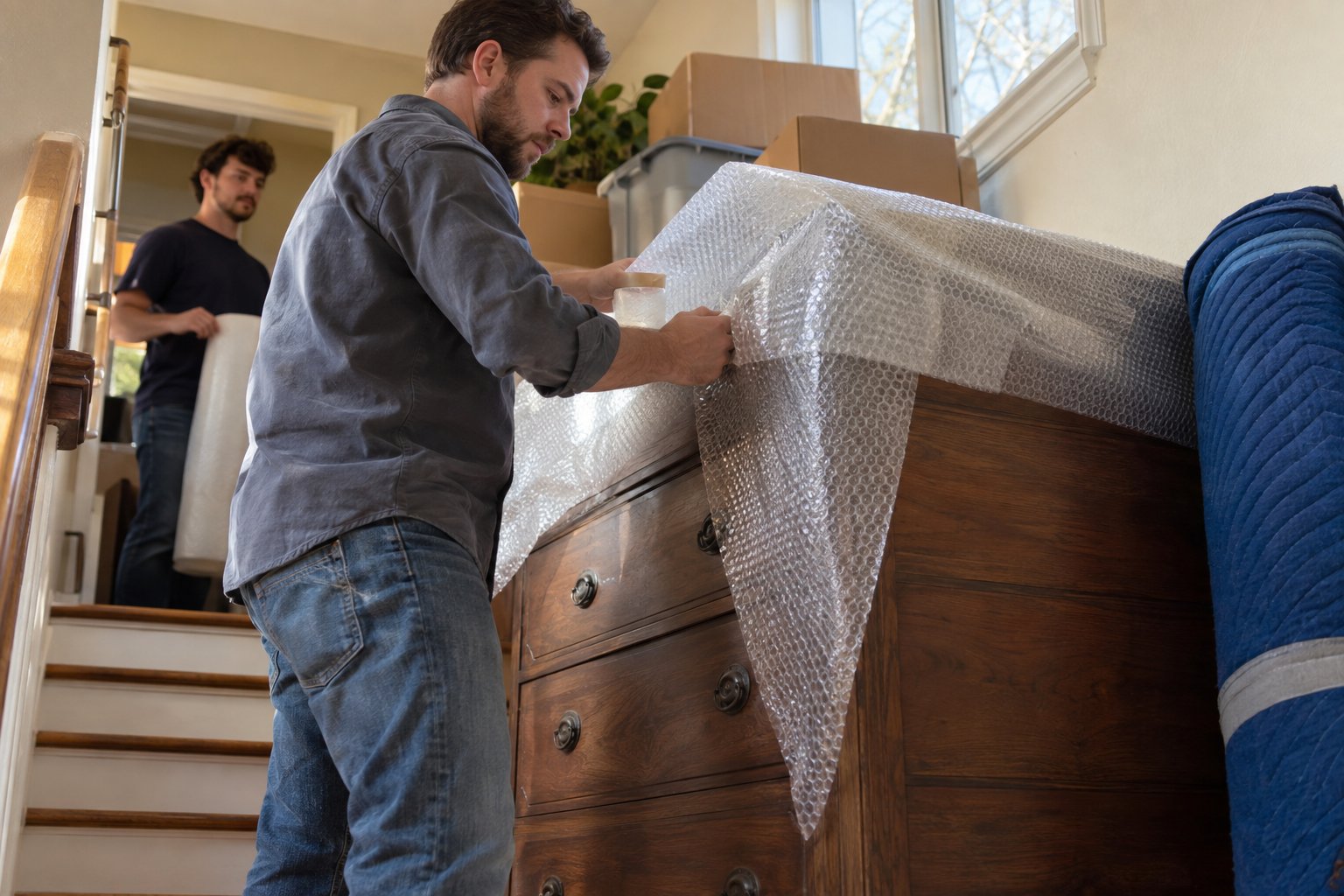
Group hand tools — hammers, wrenches, screwdrivers, pliers — by type and size. Wrap any sharp or pointed tools individually in packing paper or bubble wrap before placing them in boxes. Do not mix loose screws, nails, or small hardware with unwrapped tools in the same box; bag all small hardware in zip-lock bags and label them clearly. Use small or medium boxes for tools; they are dense and heavy, and a large box of tools can easily exceed safe lifting weight.
Whenever possible, transport power tools in their original cases. If original cases are no longer available, wrap each tool individually in bubble wrap and pack it snugly in a sturdy box with padding on all sides. Remove any attachments — drill bits, saw blades, sanding discs — and pack them separately in labeled bags. Ensure all battery-powered tools have their batteries removed before packing; lithium-ion batteries can be a fire risk if terminals are shorted during transport.
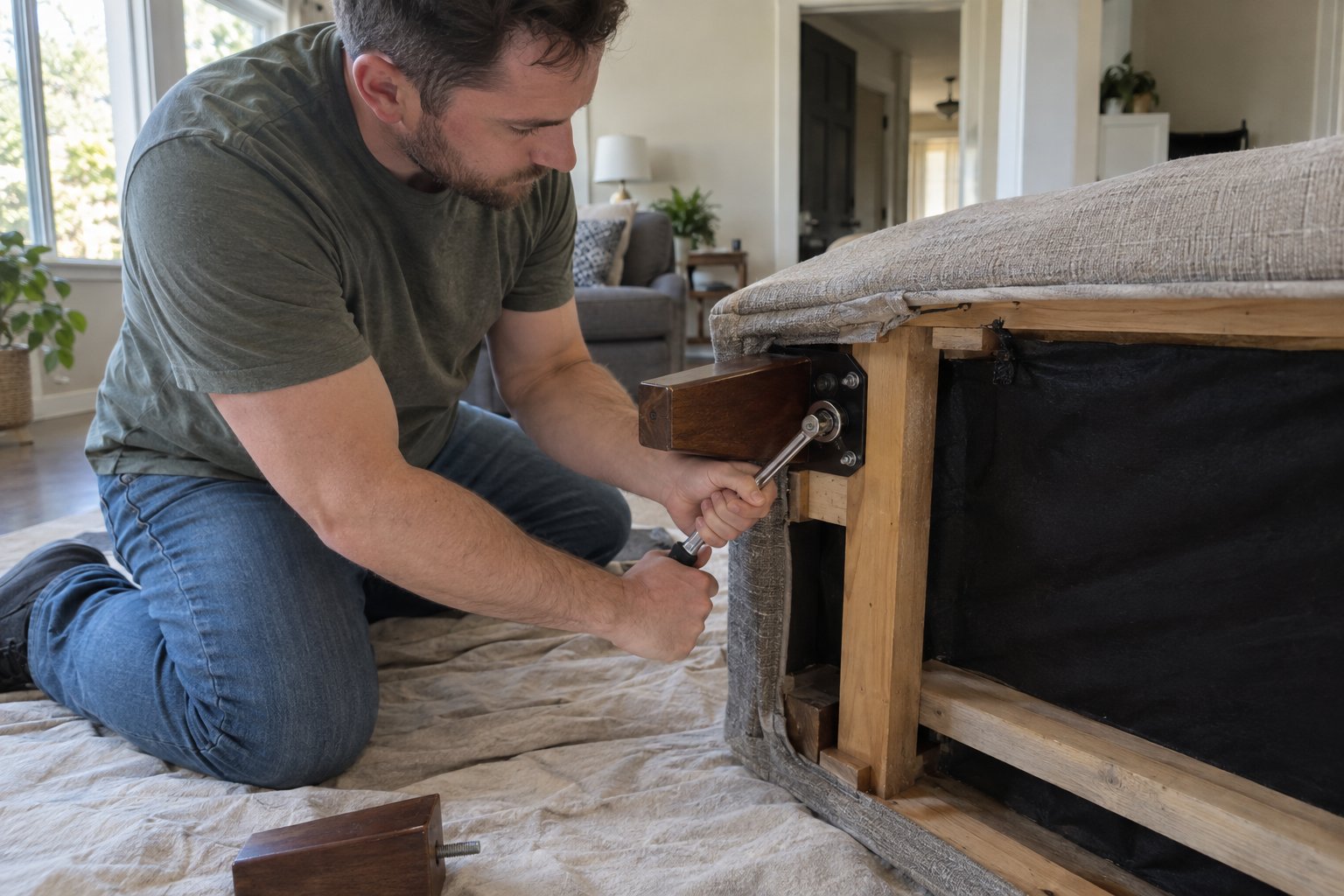
Items such as table saws, band saws, and air compressors require extra care. Disassemble where the manufacturer allows, wrap components individually, and use moving blankets to protect surfaces. If you are not confident in disassembling and reassembling a piece of equipment yourself, a professional moving team experienced with specialty moving services can help ensure the job is done safely.
The garage is often home to some of the largest and most awkward items in the entire home. These require planning that goes beyond boxes and packing tape.
This is critical: any gas-powered equipment — lawnmowers, leaf blowers, chainsaws, generators, pressure washers — must have all fuel and oil completely drained before it is loaded onto a moving truck. Most professional moving companies will not transport equipment with fuel remaining, and for good reason: fuel vapors are flammable and can be dangerous in an enclosed truck environment. Drain the tank completely, run the engine until it stalls to clear the carburetor, and then allow the equipment to sit for at least 24 hours before loading. Consult your equipment's owner manual for specific draining instructions.
Bikes are awkward but not difficult to move with the right preparation. Remove the front wheel to reduce the footprint. Wrap the handlebars and pedals — which protrude and can puncture boxes or scratch other items — in bubble wrap or moving blankets. If you are transporting multiple bikes, nest them together carefully to minimize the space they occupy in the truck.
Freestanding metal or wooden shelving units should be fully emptied and, if possible, disassembled before the move. Keep all hardware — bolts, shelf pins, brackets — in clearly labeled zip-lock bags taped to the main frame of the unit. Pegboard systems can often be removed from walls and transported flat, but measure your new garage before you commit to reinstalling the same configuration.
The way you label and load your garage items can make a significant difference in how smoothly moving day goes — and how quickly you can get set up in your new home.
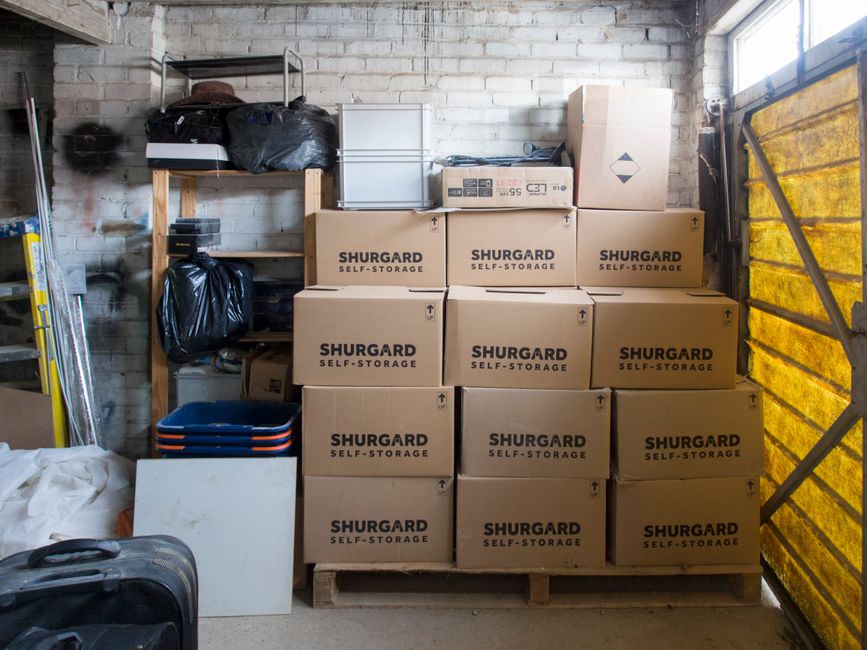
Unlike a bedroom, the garage often serves multiple functions: workshop, storage, parking, utility hub. Label your boxes not just as "Garage" but by zone: Garage – Hand Tools, Garage – Automotive, Garage – Sports Equipment, Garage – Seasonal Decor. This makes unloading dramatically faster and helps you or your movers place boxes in logical areas without opening every box to figure out where it belongs.
Boxes of tools are deceptively heavy. Always write HEAVY on all four sides and the top of any box that approaches or exceeds 30–35 pounds. This protects movers from injury and protects your belongings from being stacked beneath items that should not sit on top of them.
Heavy garage boxes and equipment should go in the truck first, loaded against the cab wall, low to the floor. Lighter, more fragile boxes from other rooms should be loaded last and placed on top. Large equipment like lawnmowers and shelving units should be secured with straps to prevent shifting during transit. A professional moving crew will know how to balance weight distribution in the truck — another reason hiring experienced movers pays off when the garage is involved.
It bears repeating because it is that important: hazardous materials are a serious concern in garage moves. Common garage items that fall into this category include motor oil, antifreeze, paint (especially oil-based), solvents, pesticides, fertilizers, and propane tanks. Most moving companies — including Wise Guys Moving — cannot legally transport these materials in a moving truck.
Your options are to dispose of these items responsibly through a local HHW program before the move, use them up before moving day if it is feasible and safe to do so, or transport small quantities of non-flammable items yourself in a personal vehicle with proper containment. Never seal hazardous materials in boxes and try to sneak them into a moving truck — this puts movers, your other belongings, and public safety at genuine risk.
Propane tanks deserve special mention. Even "empty" propane tanks retain residual gas and should never be placed in an enclosed moving truck. Transport propane tanks in an open truck bed or have them exchanged or properly disposed of before your move date.
Unpacking the garage is an opportunity to set up a more organized system than the one you left behind. Rather than simply recreating the old layout, take time to plan zones in the new space before you start placing items.
Designate clear areas for tools, automotive supplies, lawn care equipment, and storage before boxes are opened. Install pegboards, shelving, or storage systems before you unpack, if possible — it is much easier to hang a pegboard in an empty garage than to work around boxes. Reassemble and test any power equipment outdoors, in good light, before storing it away.
Take this opportunity to maintain the organization discipline you practiced during the move. Label shelves, store like items together, and resist the urge to use the garage as a catch-all for anything that does not have a clear home elsewhere in the new house. A little discipline at the start pays dividends for years.
No. Professional moving companies, including Wise Guys Moving, cannot legally or safely transport flammable liquids, motor oil, paint (especially oil-based), solvents, pesticides, propane tanks, or similar hazardous materials in a moving truck. These items must be disposed of through a household hazardous waste (HHW) program, used up before moving day, or transported carefully in your personal vehicle with proper containment. Contact your local Auburn or Lee County municipal offices for current HHW drop-off options.
Plan to start packing your garage at least one to two weeks before moving day — possibly longer if your garage is particularly large or heavily stocked. The garage almost always takes more time than people expect, especially once you factor in decluttering, hazardous material disposal, draining gas-powered equipment, and organizing tools. Starting early gives you the flexibility to handle each category without rushing.
Yes, absolutely. All gas-powered equipment — lawnmowers, leaf blowers, chainsaws, generators, pressure washers — must have fuel and oil completely drained before being loaded onto a moving truck. Fuel vapors are flammable and pose a serious safety risk in an enclosed truck environment. Drain the tank fully, run the engine until it stalls to clear the carburetor, and let the equipment sit for at least 24 hours before loading. Check the owner's manual for model-specific instructions.
Use small or medium boxes for tools, since tool boxes become extremely heavy very quickly. Wrap sharp or pointed tools individually in packing paper or bubble wrap. Place all loose hardware — screws, nails, bolts — in labeled zip-lock bags before adding them to any box. Mark every heavy box with the word HEAVY on all four sides and the top. This protects movers from injury and prevents boxes from being stacked incorrectly during loading.
Label garage boxes by zone rather than just writing 'Garage' on the side. Use specific labels such as 'Garage – Hand Tools,' 'Garage – Automotive,' 'Garage – Sports Equipment,' or 'Garage – Seasonal Decor.' This makes it much faster for movers to place boxes in logical areas of your new garage and allows you to find items quickly without opening every box. Always write the destination label on at least two sides of each box so it is visible regardless of how it is stacked.

No. Professional moving companies, including Wise Guys Moving, cannot legally or safely transport flammable liquids, motor oil, paint (especially oil-based), solvents, pesticides, propane tanks, or similar hazardous materials in a moving truck. These items must be disposed of through a household hazardous waste (HHW) program, used up before moving day, or transported carefully in your personal vehicle with proper containment. Contact your local Auburn or Lee County municipal offices for current HHW drop-off options.
Plan to start packing your garage at least one to two weeks before moving day — possibly longer if your garage is particularly large or heavily stocked. The garage almost always takes more time than people expect, especially once you factor in decluttering, hazardous material disposal, draining gas-powered equipment, and organizing tools. Starting early gives you the flexibility to handle each category without rushing.
Yes, absolutely. All gas-powered equipment — lawnmowers, leaf blowers, chainsaws, generators, pressure washers — must have fuel and oil completely drained before being loaded onto a moving truck. Fuel vapors are flammable and pose a serious safety risk in an enclosed truck environment. Drain the tank fully, run the engine until it stalls to clear the carburetor, and let the equipment sit for at least 24 hours before loading. Check the owner's manual for model-specific instructions.
Use small or medium boxes for tools, since tool boxes become extremely heavy very quickly. Wrap sharp or pointed tools individually in packing paper or bubble wrap. Place all loose hardware — screws, nails, bolts — in labeled zip-lock bags before adding them to any box. Mark every heavy box with the word HEAVY on all four sides and the top. This protects movers from injury and prevents boxes from being stacked incorrectly during loading.
Label garage boxes by zone rather than just writing 'Garage' on the side. Use specific labels such as 'Garage – Hand Tools,' 'Garage – Automotive,' 'Garage – Sports Equipment,' or 'Garage – Seasonal Decor.' This makes it much faster for movers to place boxes in logical areas of your new garage and allows you to find items quickly without opening every box. Always write the destination label on at least two sides of each box so it is visible regardless of how it is stacked.