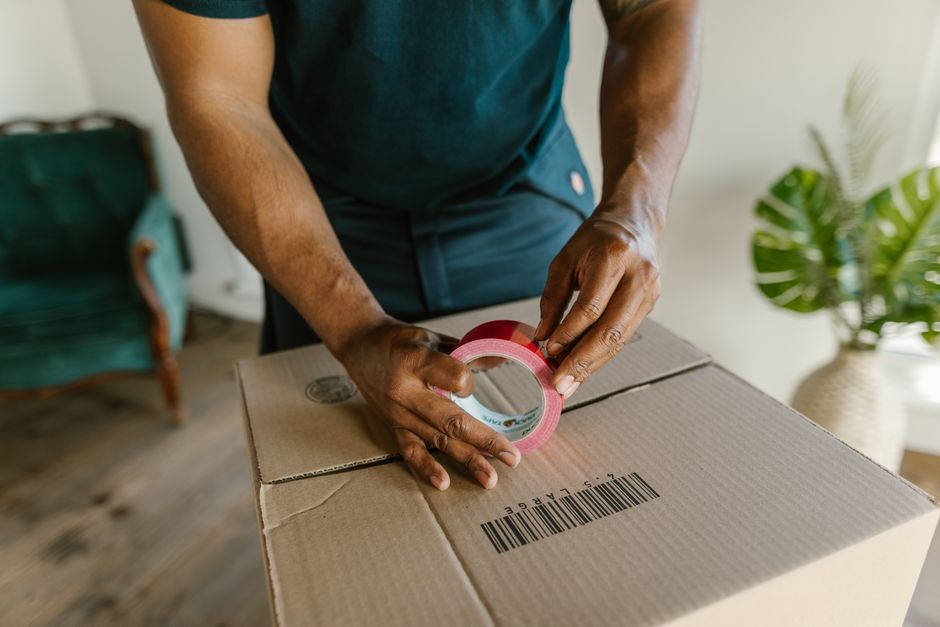
When homeowners map out their room-by-room moving plan, the home bar almost always gets overlooked until the very last moment — but knowing how to pack and move a home bar the right way can save you from shattered stemware, cracked bottles, stained carpets, and a moving day derailed by preventable spills. A home bar is one of the most deceptively fragile spaces in the house: it combines heavy furniture, glass-heavy cabinetry, liquid-filled containers that will leak if tipped, and delicate stemware that can fracture from a single poorly packed box.
Whether you are relocating across Auburn or moving to an entirely new city, this guide walks you through every step of packing and moving your home bar safely and efficiently. When you are ready to leave the hard work to the professionals, call Wise Guys Moving at (334) 610-1593 or get a free moving quote today.
The home bar presents a set of moving challenges unlike any other space in the house. Unlike the kitchen — where the primary concern is appliance weight and pantry volume — or the dining room — where fragile heirlooms and matched sets dominate the risk profile — the home bar combines glass-heavy inventory, pressurized containers, high-value bottles, and large furniture pieces into one uniquely demanding environment.
Think about what a fully stocked home bar actually contains: dozens of glass bottles of varying sizes and weights, crystal decanters, wine glasses and cocktail glasses hanging from overhead racks, a wine refrigerator or wine cooler, a bar cart or built-in bar cabinet, bar stools, cocktail tools and accessories, ice buckets, bottle openers, pourers, and decorative items such as vintage signs or framed art. Each of these categories carries its own risk. A bottle of spirits that is not sealed properly will soak through cardboard and ruin everything packed alongside it. Stemware that is wrapped loosely will clink and shatter even on a short drive. A wine refrigerator that has not been defrosted and drained will leak during transport.
A rushed home bar pack almost always produces the same bad outcomes: broken bottles, soaked boxes, cracked glassware, and furniture scratched by loose items that were never secured. Plan to begin packing your home bar at least three to five days before moving day — it takes significantly longer than most homeowners expect.
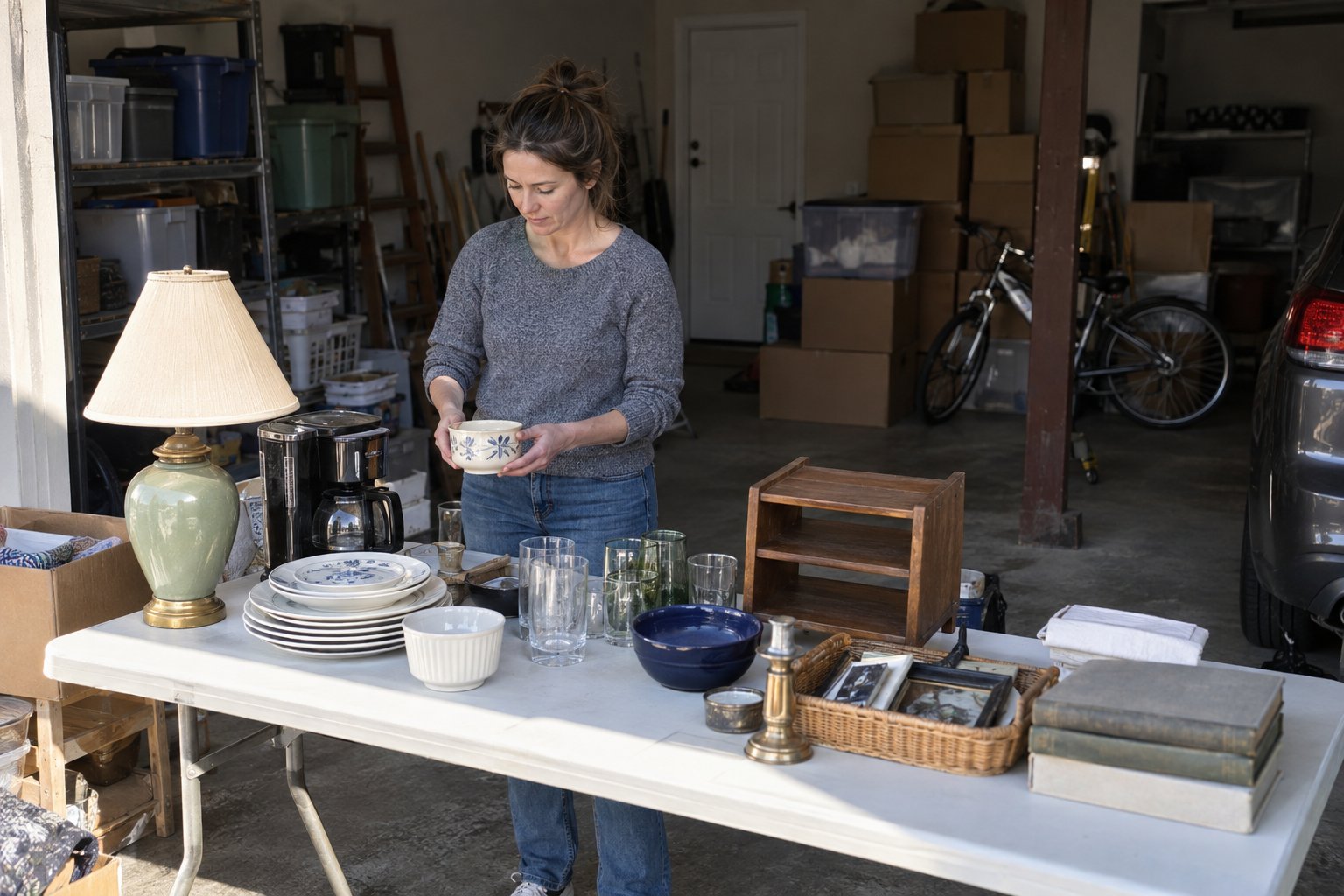
Before you pack a single bottle or wrap a single glass, the most valuable thing you can do is take a full inventory of your home bar and make deliberate decisions about what is worth moving. Liquor bottles, wine, and bar accessories accumulate quietly over time, and moving day is the best opportunity to reset rather than simply relocate the same excess.
Walk through your entire bar inventory and sort bottles into three categories: move, consume before moving day, and donate or discard. Partially consumed bottles of spirits that you rarely drink are often not worth the packing effort or the risk of a spill in the truck. Open bottles of wine that will not survive a cross-town drive — let alone a long-distance move — are better finished, gifted, or left behind. Sealed, high-value bottles of whiskey, wine, or spirits are worth packing carefully and transporting with proper protection.
Be aware that transporting alcohol across state lines is governed by laws that vary by state. If you are making a long-distance or interstate move, research the regulations for your destination state before loading a full bar onto the truck. When in doubt, consult a local authority or moving professional.
Separate your bar furniture and equipment from your bottle and glassware inventory. A freestanding bar cart, a built-in bar cabinet, a wine refrigerator, and a set of bar stools each require a different approach. Identify which items disassemble, which require professional moving equipment, and which can be wrapped and moved as single units. This assessment will shape your packing sequence and your conversation with your moving crew.
Bottles are the highest-risk category in any home bar move. They are heavy, they contain liquids that can leak or stain, and they break in ways that create dangerous shards and permanent damage to surrounding items. Packing them correctly is non-negotiable.
The single best investment you can make when packing your home bar is a set of cell divider boxes — also called bottle boxes or liquor moving boxes. These are corrugated cardboard boxes with individual cardboard cells that separate each bottle from its neighbors, preventing contact and absorbing impact. Many moving supply stores stock them, and your moving company may be able to source them for you. If cell boxes are not available, use small or medium boxes and pack no more than four to six bottles per box, wrapping each bottle individually in multiple layers of packing paper before placing it upright.
Always pack bottles upright — never on their side — to minimize the risk of caps loosening and contents leaking. For any bottle with a pour spout, cork, or stopper rather than a sealed cap, wrap the top with plastic wrap and secure it with tape before wrapping the bottle itself.
Each bottle should be wrapped in at least two to three full sheets of packing paper, starting from the base and spiraling upward to the neck. Twist the excess paper at the top and tuck it down around the neck like a collar. For particularly valuable or decorative bottles — vintage wine, crystal decanters, ornate liquor bottles — add a layer of bubble wrap over the packing paper before placing the bottle in the box.
Never use newspaper to wrap bottles directly. The ink transfers easily, especially to labels, and can permanently stain or damage the bottle's exterior and any surrounding packing material.
Every box containing bottles should be labeled on at least two sides with "FRAGILE — BOTTLES — THIS SIDE UP." Mark the top of the box with an arrow and do not stack anything on top of bottle boxes during loading or transport. Keep bottle boxes together in the truck and communicate clearly with your moving crew about their location and handling requirements.
Glassware is arguably even more fragile than bottles when it comes to moving. Stemware — wine glasses, champagne flutes, martini glasses — is particularly vulnerable because the stem is the thinnest and most breakable point, and it will snap under almost any lateral pressure if not wrapped correctly.
Place each glass upside down at the corner of two or three sheets of packing paper. Roll the glass diagonally across the paper, tucking the edges inward as you go, until the glass is completely encased. The stem of a wine glass or flute should be wrapped separately with an additional layer of paper before the main wrap is applied. For tumblers and rocks glasses, the same rolling technique applies — the difference is that there is no stem to protect, which makes them somewhat more forgiving.
Do not wrap multiple glasses together. Each piece needs its own individual wrap. Glasses wrapped together create a "clinking" risk the moment the box is jostled, which is exactly the kind of contact that causes chips and cracks.
This is the rule most homeowners ignore — and most regret. Glasses should be packed standing upright, rim down, in a box lined with crumpled packing paper on the bottom. Do not stack glasses rim-to-rim or nest them inside each other without full individual wraps. If you are packing a second layer of glasses on top of the first, lay a full sheet of corrugated cardboard across the first layer before beginning the second. Fill every gap in the box with crumpled paper so nothing can shift in transit.
Cocktail shakers, jiggers, bar spoons, muddlers, ice buckets, wine openers, pourers, and similar accessories can be grouped together in a medium box with individual wraps for anything metal or fragile. Sharp items — like cocktail picks, zesters, or channel knives — should be wrapped individually and bundled together, then placed in a labeled zip-lock bag before boxing. Nothing with a sharp edge should be loose in a box where someone might reach in without seeing it.
Bar furniture presents a different category of moving challenges compared to bottles and glassware. The concerns shift from fragility to weight, bulk, and surface protection.
A freestanding bar cart should be completely emptied before it is moved — no exceptions. Remove all bottles, glasses, and accessories. If the cart has shelves that detach, remove them and wrap them separately in moving blankets. For carts with wheels, tape the wheels so they cannot roll freely during transport. Wrap the entire cart frame in a moving blanket and secure with stretch wrap or moving straps. Do not attempt to roll a loaded bar cart across uneven floors or down ramps — the risk of tipping is high.
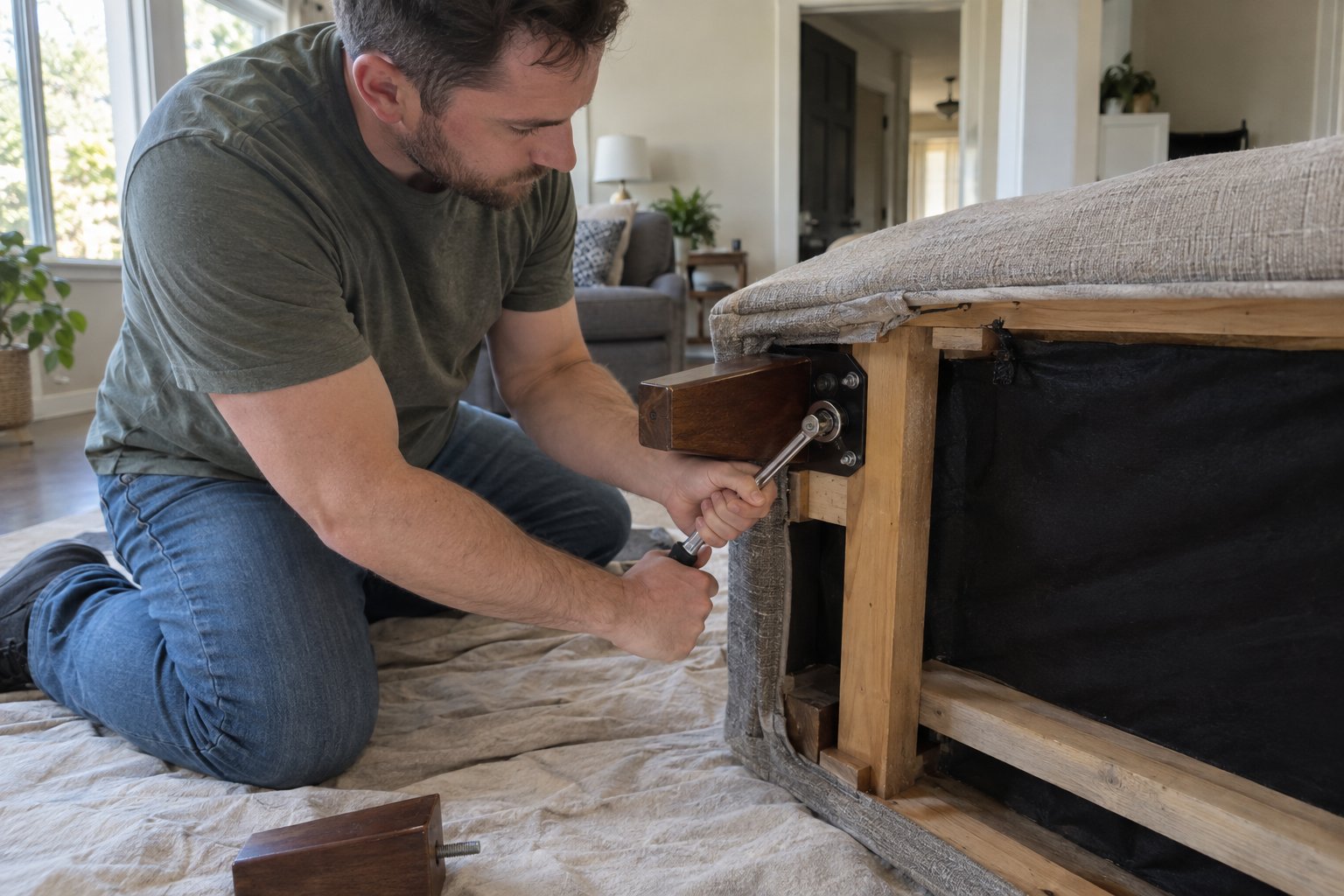
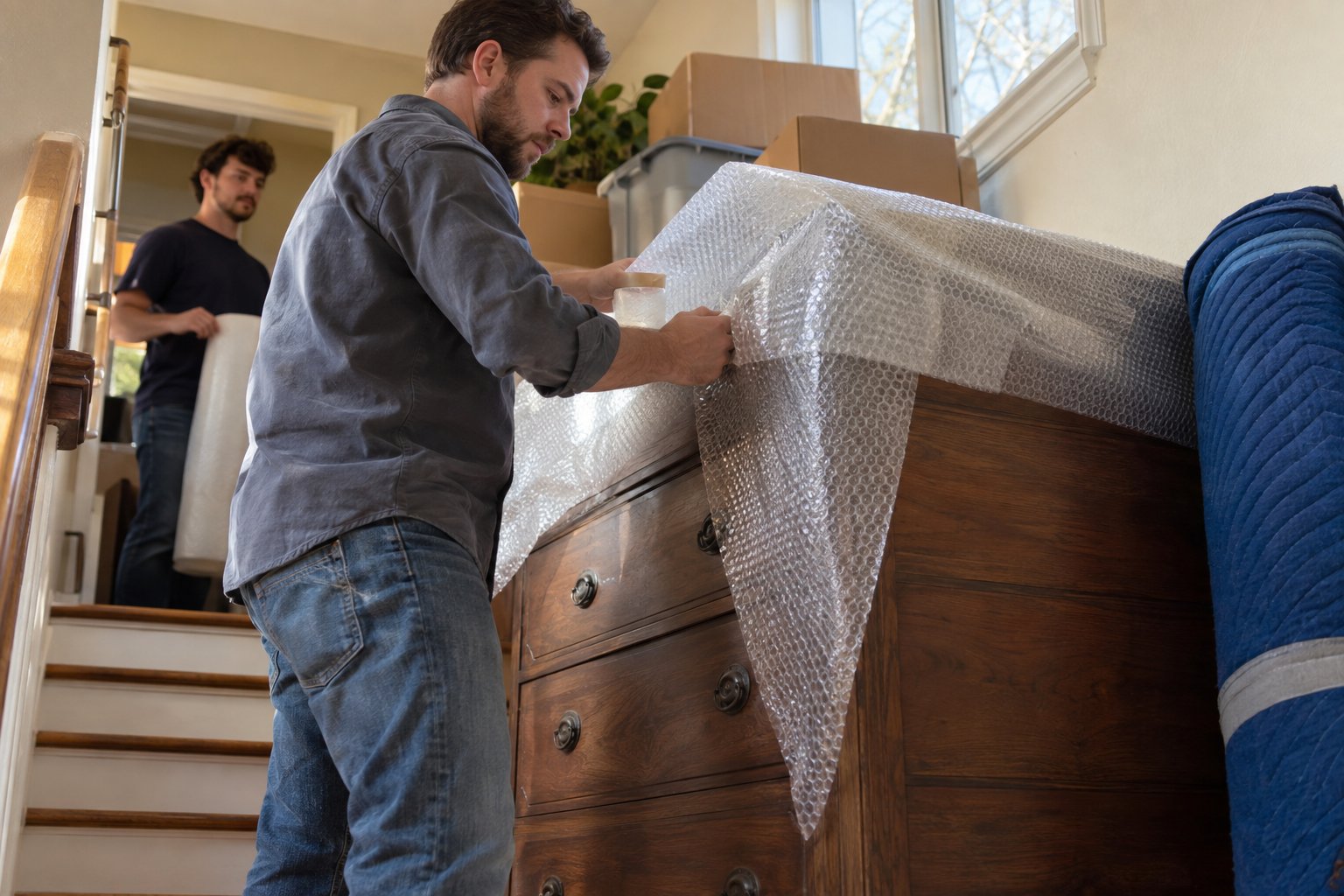
A built-in bar cabinet or bar hutch is often one of the heaviest pieces in the room. Remove all drawers, shelves, and doors if they are detachable, wrapping each separately in moving blankets. Protect all glass panels in cabinet doors with multiple layers of bubble wrap taped directly to the glass. Communicate the weight and dimensions of your bar cabinet to your moving crew in advance so they can arrive with the appropriate dollies, straps, and personnel.
A wine refrigerator should be emptied, powered off, and allowed to defrost completely at least 24 hours before the move. Remove all wine bottles and store them in a cool, insulated space during transit. Secure the interior shelving or racks so they cannot shift inside the unit. Wrap the exterior in moving blankets and transport the unit upright — many wine refrigerators have compressors that can be damaged if laid on their side. Confirm with your moving crew that the unit will remain upright throughout the move.
How your home bar items are loaded into the truck matters as much as how they were packed. Even the most carefully wrapped bottle can break if a heavy box is placed on top of it, or if a shelf slides during a sharp turn.
Bottle and glassware boxes should be among the last items loaded into the moving truck and the first items unloaded. Place them toward the front of the truck — the cab end — where movement during transport is minimized. Never stack other items on top of bottle or glassware boxes. If space is tight, stack lighter, soft items like linens or clothing bags on top, never furniture or appliances.
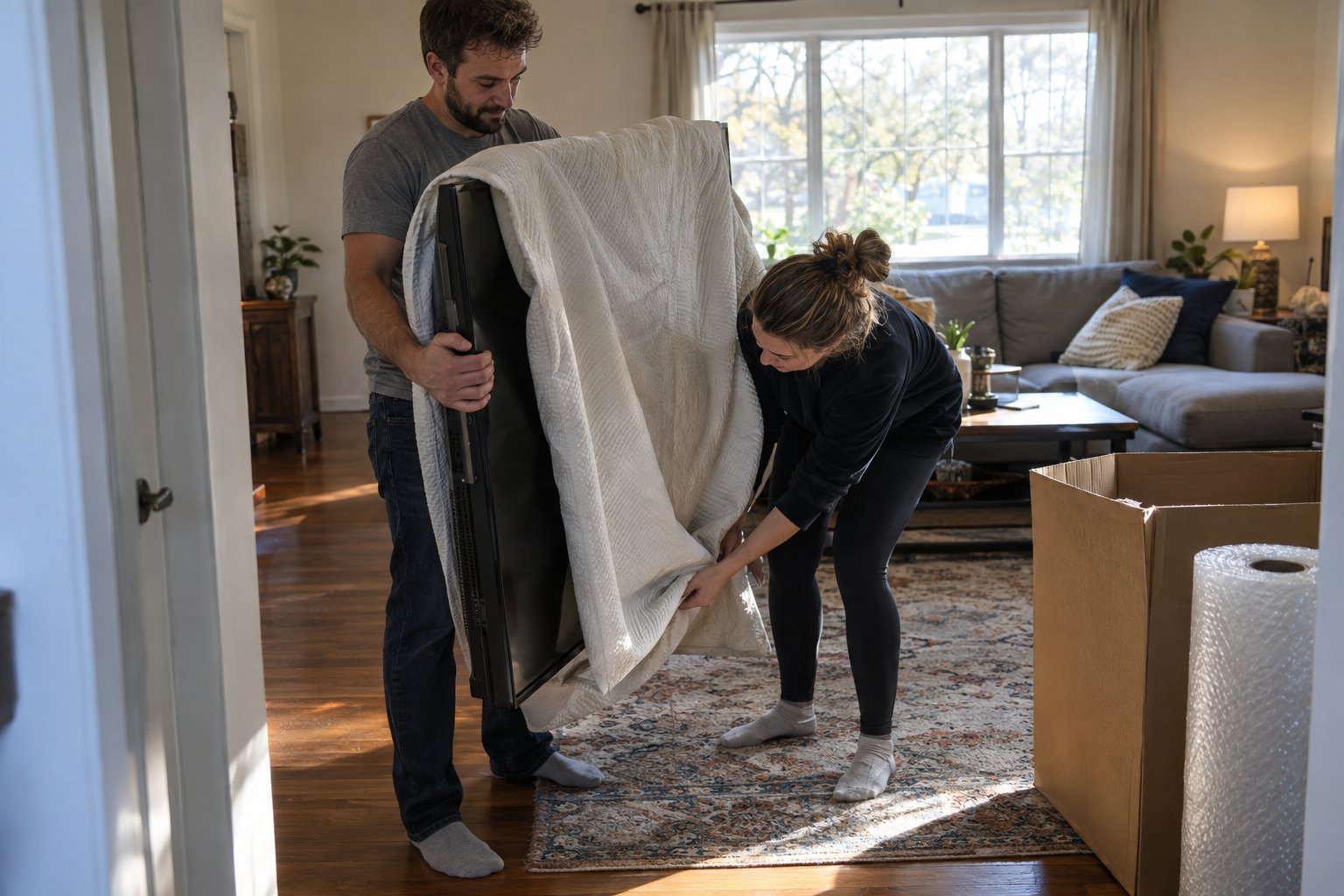
Moving blankets should surround every piece of bar furniture in the truck. Use load bars or straps to prevent furniture from shifting during the drive. Communicate to your driver that the load includes glass-heavy boxes that require smooth acceleration, braking, and cornering — this is not an exaggeration. A sudden stop is one of the most common causes of box damage during a move.
When you arrive at your new home, resist the temptation to simply carry boxes into the bar space and open them all at once. Start by placing the furniture first, then unpack glassware, then bottles. Inspect each piece as you unpack it and document any damage immediately, including photographs, before discarding packing materials. If you purchased moving insurance or declared high-value items, this documentation will be essential for any claims.
Moving a home bar is one of the most detail-intensive packing jobs in any relocation — but with the right preparation and the right team, everything arrives intact. If you would rather leave the packing, wrapping, and heavy lifting to experienced professionals, get a free moving quote from Wise Guys Moving and let our Auburn team handle it from start to finish. Call us at (334) 610-1593 — we are ready to help.
Open bottles of liquor can be packed for a local move if the caps are tightly sealed and the bottles are wrapped securely upright. For a long-distance or interstate move, open bottles present a higher leak risk and may be subject to state alcohol transport regulations. In many cases, it is more practical to finish, gift, or discard partially consumed bottles rather than risk a spill that could damage other belongings in the truck.
Cell divider boxes — also called bottle boxes or liquor moving boxes — are the best option for moving liquor bottles. These corrugated boxes contain individual cardboard cells that keep each bottle separated, preventing contact and absorbing impact during transport. If cell boxes are not available, small or medium boxes with each bottle individually wrapped in multiple layers of packing paper and packed upright are the next best option.
Each wine glass or piece of stemware should be wrapped individually in two to three sheets of packing paper, with the stem wrapped separately before the full wrap is applied. Pack glasses upright, rim down, in a box lined with crumpled packing paper. Do not stack glasses without a cardboard divider layer between rows, and fill all gaps in the box with crumpled paper to prevent shifting. Label the box 'FRAGILE — STEMWARE — THIS SIDE UP' on at least two sides.
A wine refrigerator should be transported upright whenever possible. Many wine refrigerators contain compressors similar to standard refrigerators, and laying them on their side can damage the compressor or cause cooling fluid to migrate out of its intended location. Power off the unit and allow it to defrost for at least 24 hours before the move, remove all bottles and interior racks, and confirm with your moving crew that the unit will remain upright throughout loading, transport, and unloading.
Plan to begin packing your home bar at least three to five days before moving day for a standard local move. If your bar is extensive — many bottles, large amounts of stemware, a built-in bar cabinet, or a wine refrigerator — start up to a week in advance. This timeline allows you to sort and declutter first, source the right packing materials (especially cell divider boxes), and pack at a deliberate pace rather than rushing and increasing the risk of breakage.

Open bottles of liquor can be packed for a local move if the caps are tightly sealed and the bottles are wrapped securely upright. For a long-distance or interstate move, open bottles present a higher leak risk and may be subject to state alcohol transport regulations. In many cases, it is more practical to finish, gift, or discard partially consumed bottles rather than risk a spill that could damage other belongings in the truck.
Cell divider boxes — also called bottle boxes or liquor moving boxes — are the best option for moving liquor bottles. These corrugated boxes contain individual cardboard cells that keep each bottle separated, preventing contact and absorbing impact during transport. If cell boxes are not available, small or medium boxes with each bottle individually wrapped in multiple layers of packing paper and packed upright are the next best option.
Each wine glass or piece of stemware should be wrapped individually in two to three sheets of packing paper, with the stem wrapped separately before the full wrap is applied. Pack glasses upright, rim down, in a box lined with crumpled packing paper. Do not stack glasses without a cardboard divider layer between rows, and fill all gaps in the box with crumpled paper to prevent shifting. Label the box 'FRAGILE — STEMWARE — THIS SIDE UP' on at least two sides.
A wine refrigerator should be transported upright whenever possible. Many wine refrigerators contain compressors similar to standard refrigerators, and laying them on their side can damage the compressor or cause cooling fluid to migrate out of its intended location. Power off the unit and allow it to defrost for at least 24 hours before the move, remove all bottles and interior racks, and confirm with your moving crew that the unit will remain upright throughout loading, transport, and unloading.
Plan to begin packing your home bar at least three to five days before moving day for a standard local move. If your bar is extensive — many bottles, large amounts of stemware, a built-in bar cabinet, or a wine refrigerator — start up to a week in advance. This timeline allows you to sort and declutter first, source the right packing materials (especially cell divider boxes), and pack at a deliberate pace rather than rushing and increasing the risk of breakage.