When homeowners work through their room-by-room moving plan, the sunroom is almost always one of the last spaces considered — but knowing how to pack and move a sunroom the right way can save you from cracked glass panels, damaged wicker furniture, broken planters, and a moving day that unravels because of one overlooked corner of the house. A sunroom is deceptively demanding: it combines large glass elements, delicate indoor plants, weather-exposed furniture, and decorative items that were never designed with relocation in mind.
Whether you are relocating across Auburn or moving to an entirely new city, this guide walks you through every step of packing and moving your sunroom safely and efficiently. When you are ready to leave the hard work to the professionals, call Wise Guys Moving at (334) 610-1593 or get a free moving quote today.
The sunroom presents a category of moving challenges that are entirely different from any other space in the home. Unlike the living room — where the primary concern is heavy furniture and electronics — or the kitchen — where appliances and dishware dominate the risk profile — the sunroom combines glass-heavy construction, moisture-sensitive furnishings, live plants, and large decorative pieces into one uniquely fragile environment.
Think about what a typical sunroom actually contains: wicker or rattan furniture sets, upholstered cushions exposed to humidity, ceramic or terra-cotta planters filled with soil and live plants, hanging basket plants, glass side tables, skylights or glass ceiling panels that may need professional removal, area rugs, outdoor-style lighting fixtures, window treatments, and decorative objects like windchimes, sculptures, and botanical prints. Each of these categories carries its own risk. A potted plant tipped on its side in a moving truck will shed soil across everything near it. Wicker furniture that is not wrapped will snag and splinter. Glass tabletops transported without padding will shatter before you reach the end of the driveway.
A rushed sunroom pack almost always produces the same bad outcomes: broken glass, ruined upholstery, dead plants, and furniture that arrives scratched, cracked, or structurally compromised. Plan to begin packing your sunroom at least three to four days before moving day — it takes significantly longer than most homeowners expect.
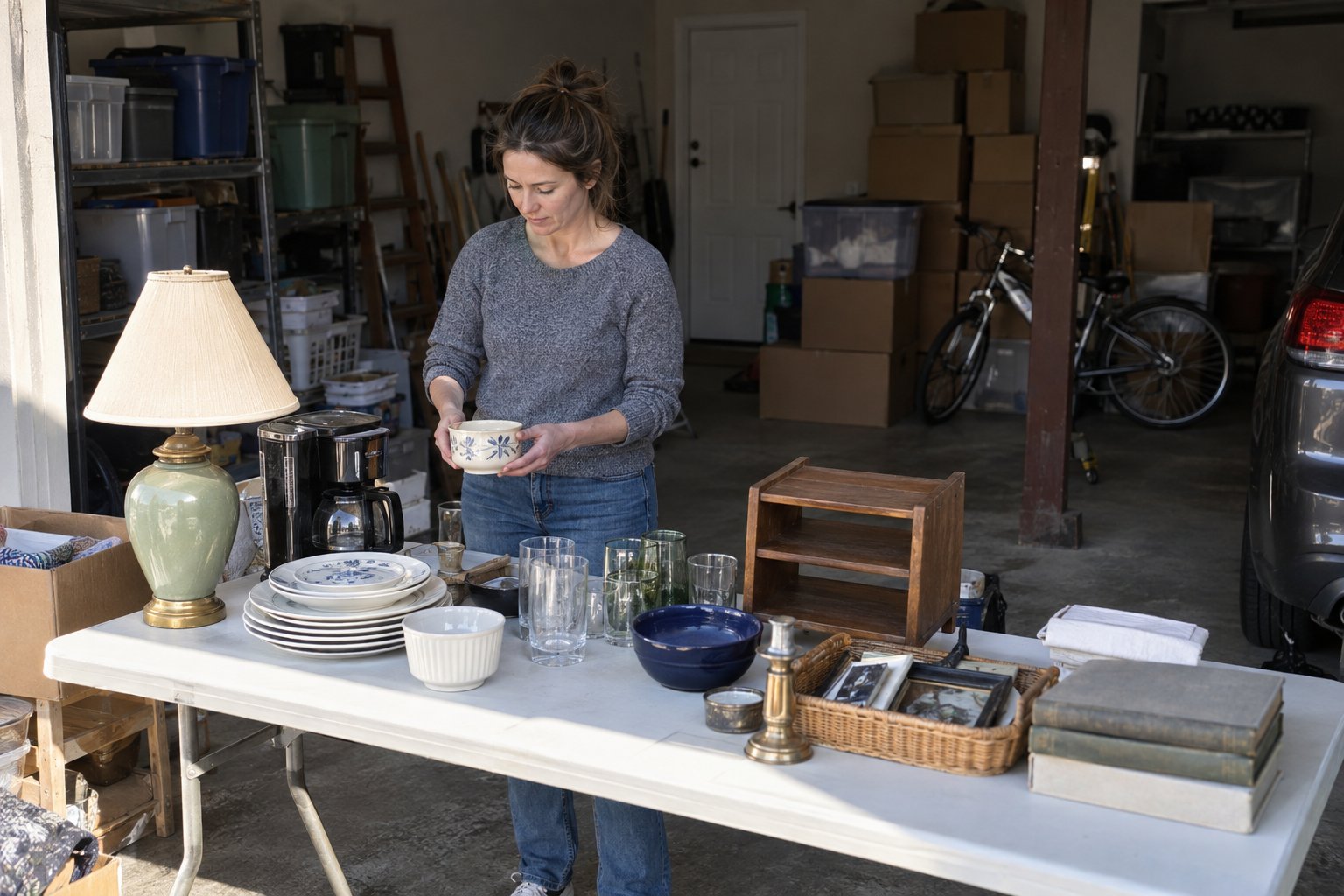
Before you wrap a single cushion or lift a single planter, the most valuable thing you can do is take a full inventory of your sunroom and make clear decisions about what is actually worth moving. Sunrooms accumulate seasonal décor, potted plants, and furniture over time, and moving day is an ideal moment to reset rather than simply relocate the same excess.
Plants are one of the most emotionally charged and logistically complex elements of any sunroom move. Some plants are worth the effort of moving; others are better rehomed, donated, or left with neighbors. As a general rule, large trees in heavy ceramic pots are rarely worth the transport risk. Smaller, hardy plants in lightweight plastic nursery pots are far easier to move safely.
Be aware that transporting live plants across state lines may be subject to agricultural regulations that vary by state. If you are making a long-distance or interstate move, check the rules for your destination state before loading plants into the truck. Some states restrict or prohibit the transport of certain plant species or soil types. When in doubt, consult your moving company or a local agricultural extension office.
For plants you are keeping, stop watering them two to three days before the move so the soil is as dry as possible on moving day. Dry soil is lighter and far less likely to spill. Place each pot in a sealed plastic bag to contain any remaining moisture and loose soil.
Walk through your sunroom and evaluate each piece of furniture. Wicker, rattan, and bamboo furniture is lightweight but structurally fragile — it dents, splinters, and warps easily under pressure. Wrought-iron and aluminum furniture is heavy but generally more durable during transport. Upholstered pieces need to be assessed for moisture damage or mildew before packing, since sunroom humidity can cause cushions to develop odors or mold that will worsen in a sealed moving truck.
Glass tabletops, glass shelving, and decorative mirror panels should be treated with the same care as fine art. They must be packed vertically, never flat, and with generous padding on all sides.
Packing a sunroom properly requires a specific set of materials. Using the wrong supplies — or improvising with what is on hand — dramatically increases the risk of damage during transit. Before you begin packing, gather the following:
Resist the temptation to use newspaper for wrapping. The ink transfers permanently onto light-colored cushions, ceramic surfaces, and painted furniture. Unprinted packing paper is a far better choice for sunroom items.
Pack plants last — they should go into the moving truck as late as possible and come off first at your destination to minimize time in a dark, temperature-uncontrolled environment. Place each plant in a sturdy box slightly taller than the plant itself. Fill gaps with crumpled packing paper to prevent the plant from shifting. Do not seal plant boxes fully — they need airflow. If the move is longer than a few hours, plan for plants to ride in the climate-controlled cab of the moving vehicle rather than the cargo area.
For hanging plants, remove them from their hooks and pack them in open-top boxes with the trailing foliage gently coiled around the pot. Never stack anything on top of plant boxes.
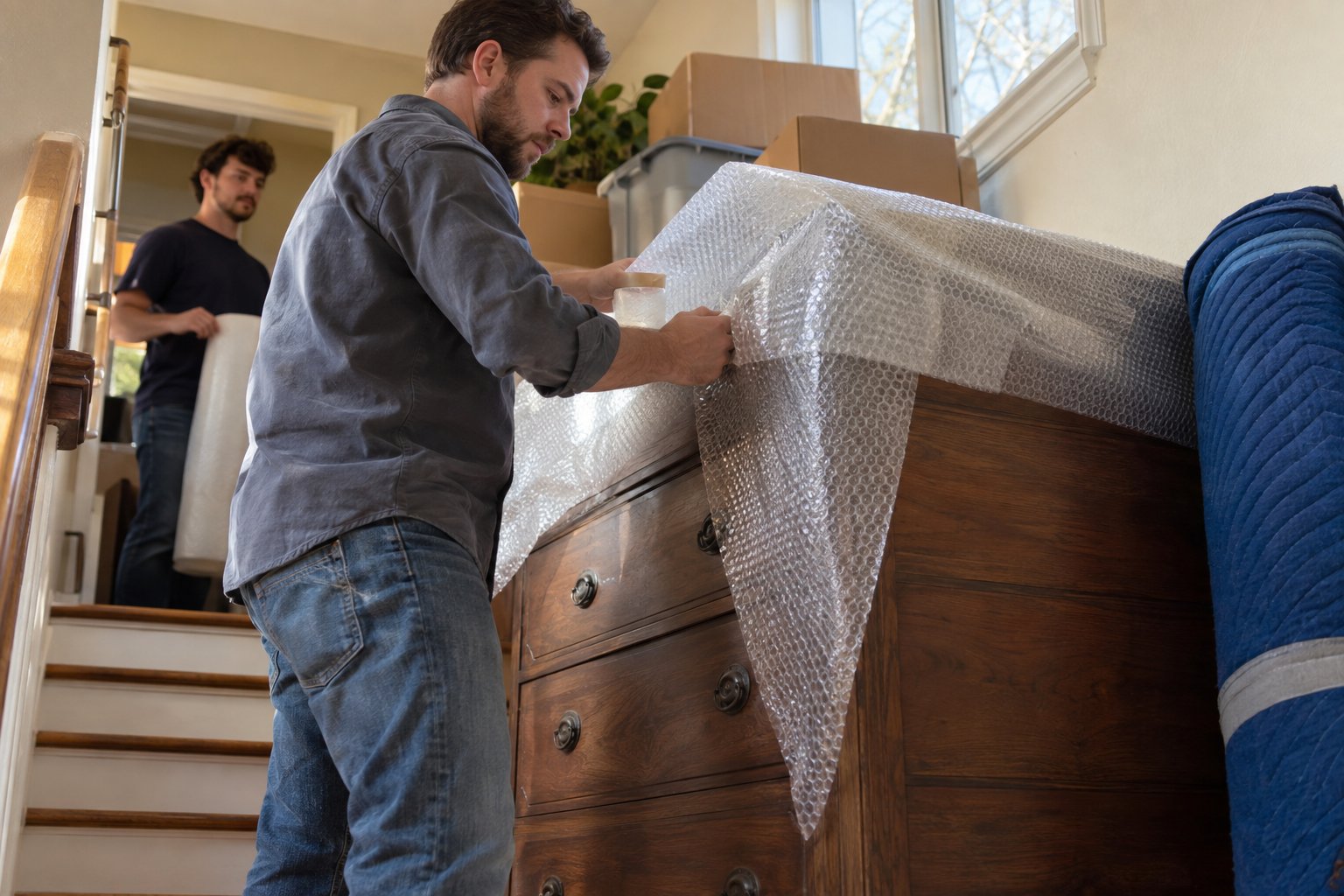
Glass is the single greatest risk in any sunroom move. Always transport glass panels vertically — never flat. Flat glass under even modest weight will flex and crack. Wrap each glass piece in at least two full layers of bubble wrap, securing the wrap with packing tape that does not touch the glass surface directly. Place wrapped glass in a mirror box or build a custom cardboard sleeve that holds the piece snugly upright. Label every glass box clearly: "GLASS — THIS SIDE UP — DO NOT LAY FLAT."
If your sunroom has a built-in glass ceiling, glass wall panels, or a glass roof, those elements are part of the structure and will not move with you. Do not attempt to remove structural glass elements without professional assessment.
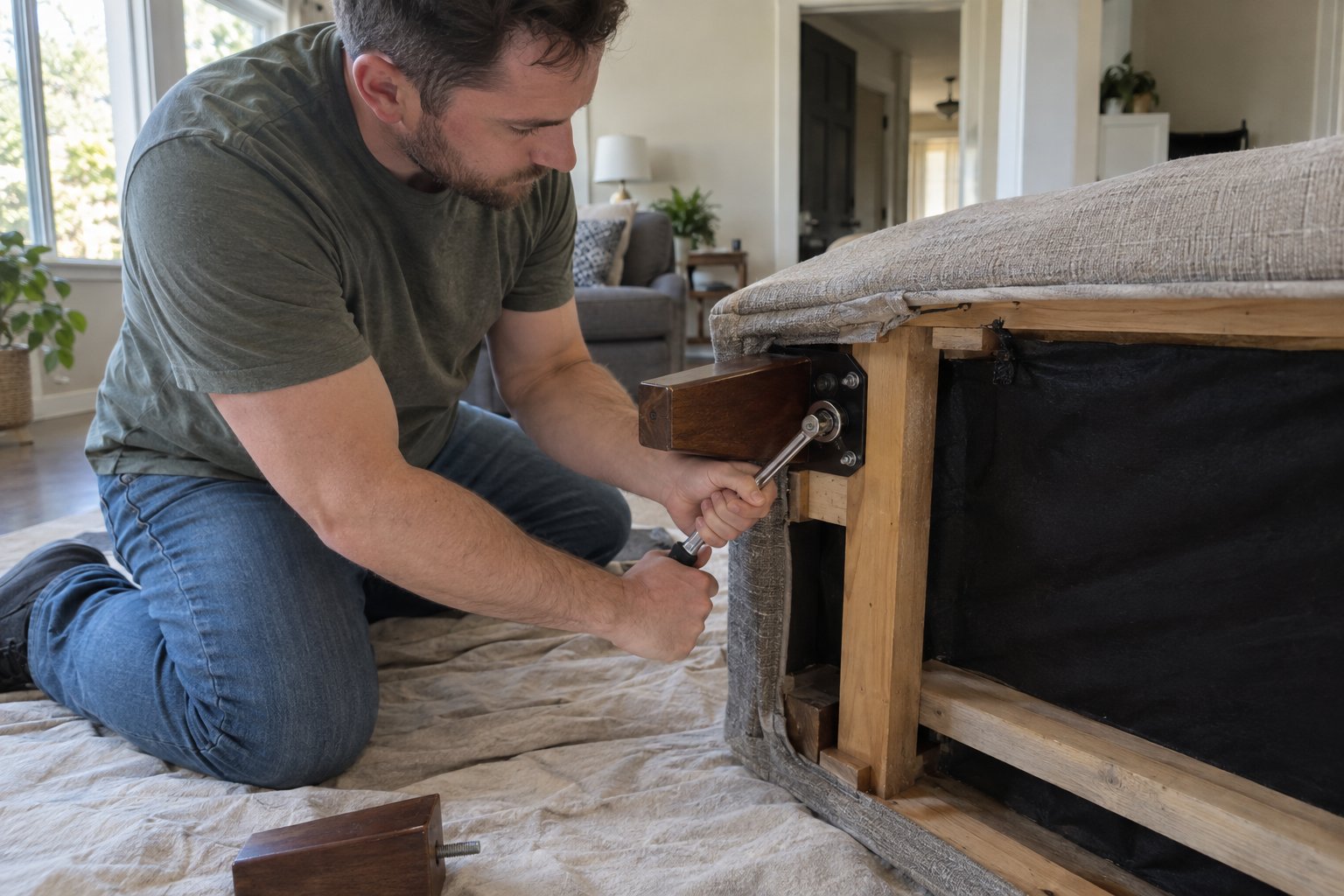
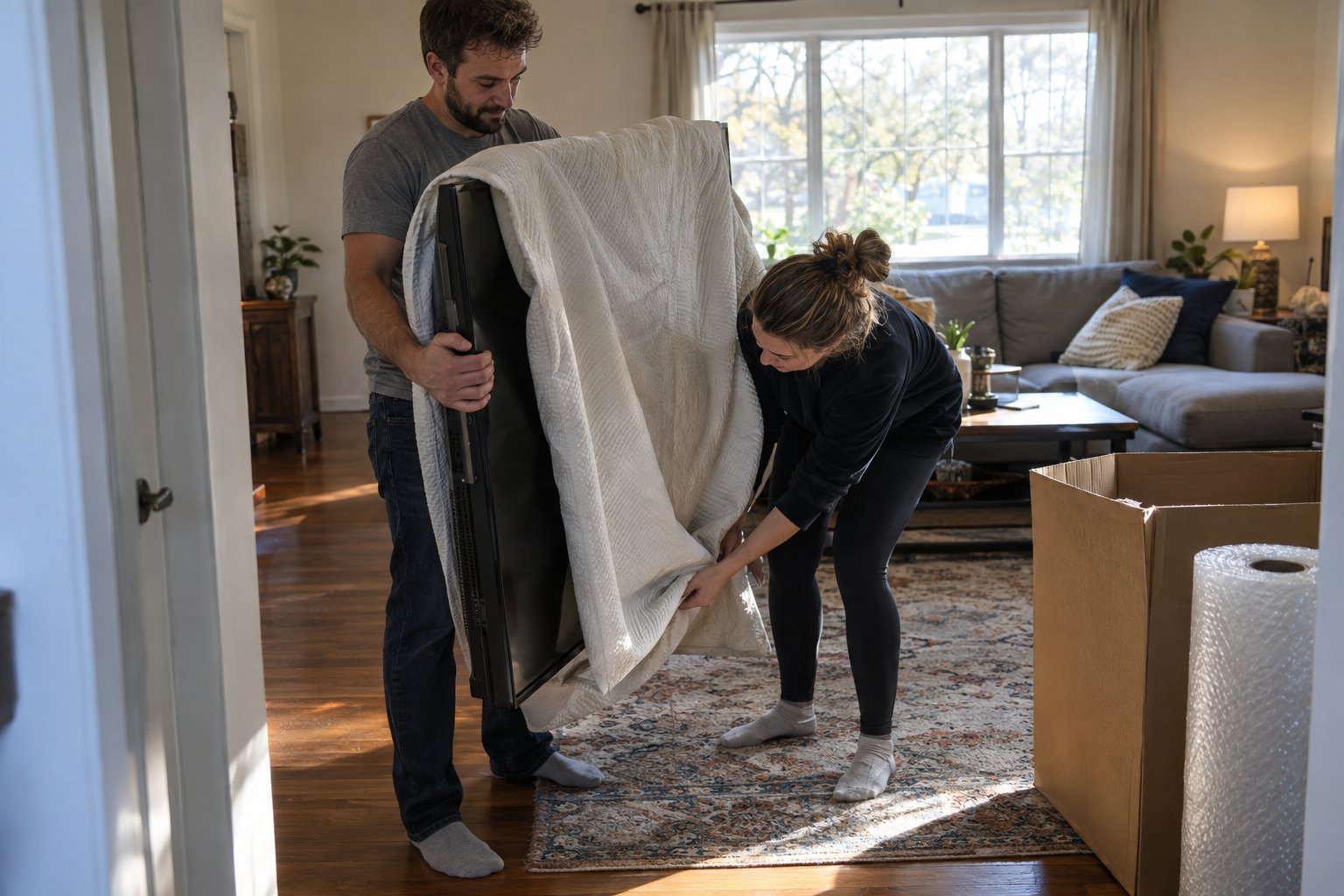
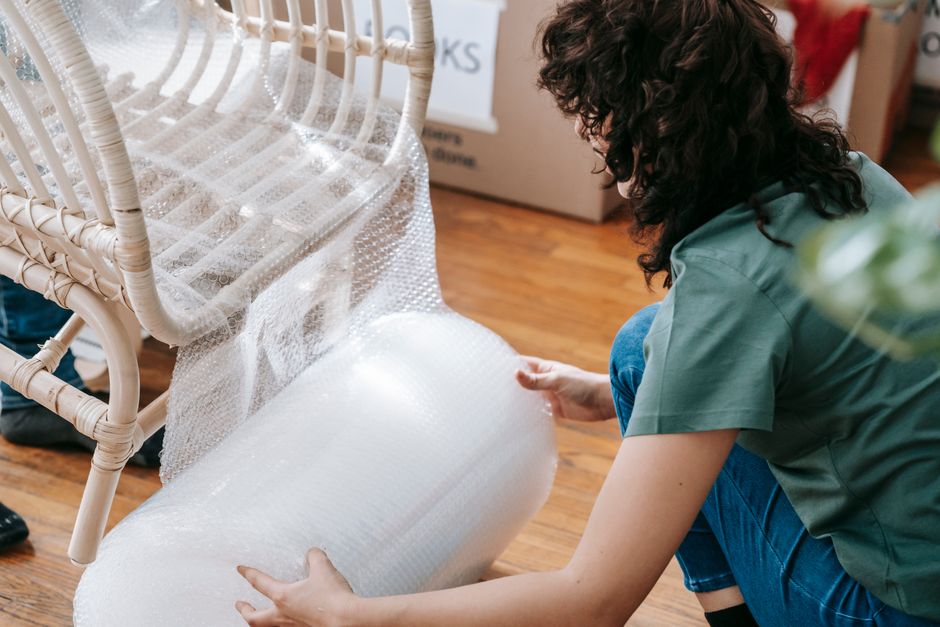
Wicker and rattan furniture cannot be stacked or compressed — they will snap under pressure. Wrap each piece individually in furniture blankets secured with moving bands or stretch wrap. For chairs with curved arms or delicate weave patterns, wrap the most vulnerable areas — the arms, legs, and back — with an extra layer of bubble wrap before applying the furniture blanket. Disassemble any pieces that come apart, and bag the hardware separately in labeled zip-lock bags taped to the corresponding furniture piece.
Sunroom cushions are bulky but relatively easy to protect. The main risks are moisture, compression damage, and soiling. Wrap cushions in large plastic bags or stretch wrap to protect them from truck dirt and humidity. Never pack cushions under heavy items — they will lose their shape permanently if compressed for hours during transit. Stack them loosely in wardrobe boxes if possible, or load them last on the truck so they are accessible and unweighted.
Decorative items like ceramic pots, candle holders, windchimes, botanical prints, and sculptures should each be wrapped individually in packing paper and then bubble wrap before being placed in a box. Fill all void space in each box with crumpled paper so nothing shifts in transit. Seal each box firmly and mark it "FRAGILE" on all four sides. Heavy ceramics should always go in small boxes — a box of heavy planters that is too large to lift safely is an injury waiting to happen.
How your sunroom items are loaded onto the moving truck matters as much as how they are packed. Follow these loading principles to minimize damage during transit:
Once the truck arrives at your new home, unload the sunroom items with the same care you used packing them. Unpack plants first and move them directly into natural light. Unwrap glass pieces in a clear space with good lighting so you can inspect for cracks before placing them. Reassemble furniture in the room before bringing in the smaller décor, so you have a clear layout to work with.
Take a few minutes to wipe down wicker and rattan furniture with a dry cloth before placing items on or around it — transport dust and truck residue can be abrasive on delicate weaves. Allow upholstered cushions to air out for an hour before placing them back on furniture, especially if the move involved warm weather or a humid truck environment.
If anything was damaged in transit, document it with photographs before discarding packaging. Good photographs taken immediately after unpacking are essential for any moving insurance or damage claim.
Some sunroom moves are well within the reach of a careful DIY effort. Others are not. If your sunroom contains large structural glass elements, custom-built furniture, an extensive collection of high-value plants, or oversized pieces that cannot safely be moved by two people, professional help is the right call. Wise Guys Moving has the equipment, the trained crew, and the experience to handle every element of a sunroom move — from fragile glass tabletops to heavy wrought-iron sets — without damage, delay, or stress.
Serving Auburn and the surrounding area, Wise Guys Moving offers full-service packing, loading, transport, and unloading for every room in your home. Call us at (334) 610-1593 or request a free moving quote online to get started today.
Yes, but with important limitations. Plants should ride in the truck for as short a time as possible, and ideally in a climate-controlled environment. Stop watering plants two to three days before the move so the soil is dry and lighter. Place pots in sealed plastic bags to contain soil and moisture. For long-distance or interstate moves, check your destination state's agricultural regulations — some states restrict or prohibit the transport of certain plants or soils.
Always transport glass vertically, never flat. Flat glass flexes under weight and cracks easily. Wrap the glass in at least two layers of bubble wrap, place it in a mirror box or custom cardboard sleeve, and stand it upright between two heavier items in the truck so it cannot tip. Label every glass box clearly: 'GLASS — THIS SIDE UP — DO NOT LAY FLAT.'
Plan to begin packing your sunroom at least three to four days before moving day. The sunroom takes longer than most homeowners expect because of the variety of item types — plants, glass, wicker furniture, ceramics, and delicate décor all require different packing approaches and cannot be rushed. Starting early also gives you time to stop watering plants and let soil dry out before transport.
It depends on the value and condition of the piece. High-quality wicker and rattan furniture in good condition is absolutely worth moving if it is packed correctly with furniture blankets and handled carefully. Older, brittle, or already-damaged wicker is more likely to sustain further damage in transit and may be better replaced. If you decide to move it, wrap the most fragile areas — arms, legs, and woven back panels — with bubble wrap before applying furniture blankets.
Document the damage immediately with clear photographs before you discard any packaging materials. The packaging itself can serve as evidence of how an item was packed and whether the damage was caused during transport. Contact your moving company as soon as possible to report the damage and ask about their claims process. If you purchased additional moving insurance, contact your insurance provider with your photographs and a written description of the damage.

Yes, but with important limitations. Plants should ride in the truck for as short a time as possible, and ideally in a climate-controlled environment. Stop watering plants two to three days before the move so the soil is dry and lighter. Place pots in sealed plastic bags to contain soil and moisture. For long-distance or interstate moves, check your destination state's agricultural regulations — some states restrict or prohibit the transport of certain plants or soils.
Always transport glass vertically, never flat. Flat glass flexes under weight and cracks easily. Wrap the glass in at least two layers of bubble wrap, place it in a mirror box or custom cardboard sleeve, and stand it upright between two heavier items in the truck so it cannot tip. Label every glass box clearly: 'GLASS — THIS SIDE UP — DO NOT LAY FLAT.'
Plan to begin packing your sunroom at least three to four days before moving day. The sunroom takes longer than most homeowners expect because of the variety of item types — plants, glass, wicker furniture, ceramics, and delicate décor all require different packing approaches and cannot be rushed. Starting early also gives you time to stop watering plants and let soil dry out before transport.
It depends on the value and condition of the piece. High-quality wicker and rattan furniture in good condition is absolutely worth moving if it is packed correctly with furniture blankets and handled carefully. Older, brittle, or already-damaged wicker is more likely to sustain further damage in transit and may be better replaced. If you decide to move it, wrap the most fragile areas — arms, legs, and woven back panels — with bubble wrap before applying furniture blankets.
Document the damage immediately with clear photographs before you discard any packaging materials. The packaging itself can serve as evidence of how an item was packed and whether the damage was caused during transport. Contact your moving company as soon as possible to report the damage and ask about their claims process. If you purchased additional moving insurance, contact your insurance provider with your photographs and a written description of the damage.