When homeowners work through their room-by-room moving plan, the screened porch almost always gets pushed to the very end of the list — but knowing how to pack and move a screened porch the right way can save you from warped wooden furniture, snapped aluminum frame pieces, shattered lanterns, and a moving-day scramble that throws off every other room on your schedule. The screened porch is deceptively demanding: it blends outdoor-grade materials with everyday living, accumulates seasonal décor, furniture, and plants that each require a completely different handling approach, and contains fixtures that are fragile in ways most people don't consider until something breaks in the truck.
Whether you are relocating across Auburn or moving to an entirely new city, this guide walks you through every step of packing and moving your screened porch safely and efficiently. When you are ready to leave the hard work to the professionals, call Wise Guys Moving at (334) 610-1593 or get a free moving quote today.
The screened porch presents a category of moving challenges that is entirely different from any other space in the home. Unlike the living room — where the primary concern is heavy upholstered furniture and entertainment systems — or the garage — where hazardous materials and bulky power tools dominate the risk profile — the screened porch combines weather-exposed furniture made from wood, metal, wicker, or resin, a rotating collection of potted plants and hanging baskets, fragile string lights and lanterns, outdoor textiles like rugs and cushion covers, and a variety of seasonal gear that shifts with the time of year.
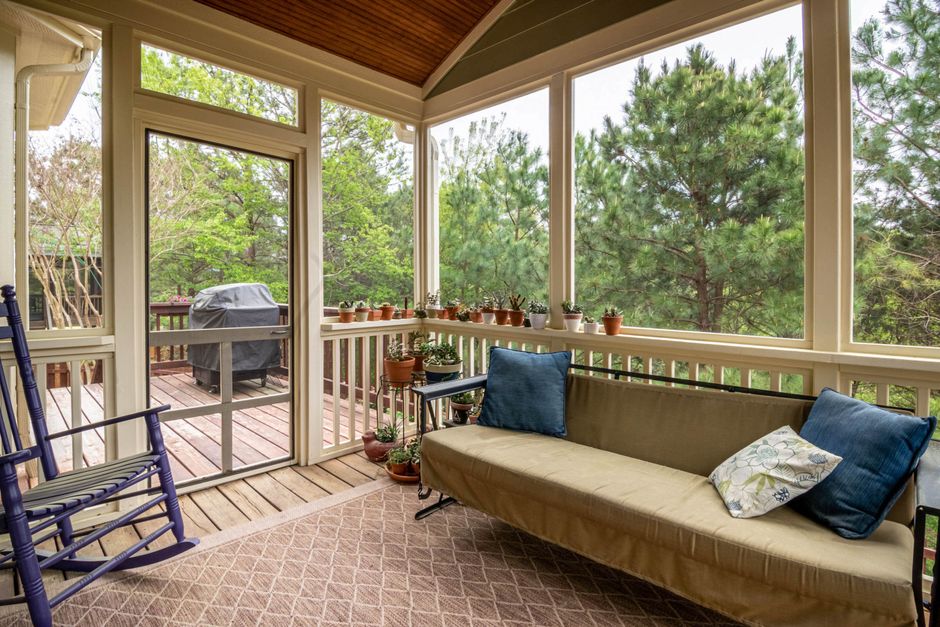
Think about what a typical screened porch actually contains: a porch swing or glider on hanging hardware, a set of slatted wooden or composite Adirondack chairs, a metal or glass-top side table, ceramic or resin planters in a range of sizes, hanging ferns or potted herbs near the screen panels, string lights strung along the ceiling joists, an outdoor rug that has absorbed months of humidity and pollen, stacked cushions in weather-resistant fabric, a ceiling fan or oscillating floor fan, and seasonal items like wreaths, lanterns, and holiday garlands. Each of these categories carries its own specific risk in transit. Wooden furniture can warp or crack if it shifts against metal hardware. Glass tabletops shatter without proper padding. Plants suffocate in a sealed moving truck. Cushions that travel damp arrive smelling of mildew.
Plan to dedicate at minimum a full afternoon exclusively to the screened porch — more if yours is a large, furnished space. If the porch doubles as a dining or lounging area with substantial furniture, begin the sorting and cleaning process at least one to two weeks before moving day so nothing is rushed.
Before you pull a single chair away from the wall, take a complete inventory of everything on your screened porch and make honest decisions about what is worth transporting, what can be donated or sold, and what has simply run its course after years of outdoor exposure.
Outdoor furniture ages faster than indoor pieces. Before committing to moving a set of chairs or a porch swing across town — or across the country — inspect each item carefully. Check wooden frames for rot, deep cracks, or splintering. Test metal frames for rust that has compromised the structure rather than just staining the surface. Look at resin or plastic pieces for UV-induced brittleness that makes them likely to snap under the stress of loading and unloading. Furniture that is borderline at home often becomes unsalvageable by the time it reaches the new house.
Screened porches are magnets for seasonal accumulation — wreaths, holiday lights, flag holders, potted plants that were meant to be temporary, and outdoor lanterns collected over years of summer entertaining. Moving is the ideal moment to evaluate all of it honestly. Donate or discard anything you would not specifically seek out to re-hang or re-display in the new space. Every item you eliminate before the truck is loaded is one fewer thing to wrap, carry, and find a home for on the other end.
Screened porch items arrive at the move covered in pollen, humidity, spider webs, and the general residue of outdoor living. Packing them dirty creates real problems — mildew in sealed boxes, pests transferred to your new home, and stains that set permanently into fabric cushions during transit.
Wipe down all furniture frames with a damp cloth and allow them to dry completely before wrapping or loading. Moisture trapped against wood or metal during transit encourages mold and rust. For wooden pieces, a light coat of furniture wax or paste after cleaning gives the wood a small amount of protection against the bumps and scrapes of the move.
Remove all cushion covers and wash them if they are machine-washable. Dry them completely — outdoor fabric holds moisture longer than most people expect — before placing them in clean, breathable bags. Avoid sealing cushions in plastic bags for long hauls; trapped moisture turns into mildew within days. Use large fabric bags, old pillowcases, or purpose-made storage bags that allow some airflow.
Roll the rug rather than folding it to avoid permanent crease marks. Before rolling, give it a thorough vacuuming or shake-out to remove debris. If it is damp from recent rain or morning dew, allow it to dry completely in the sun before rolling. Wrap the rolled rug in stretch wrap or a moving blanket to protect it during transport, and store it flat in the truck rather than standing it upright where it might bow under its own weight.
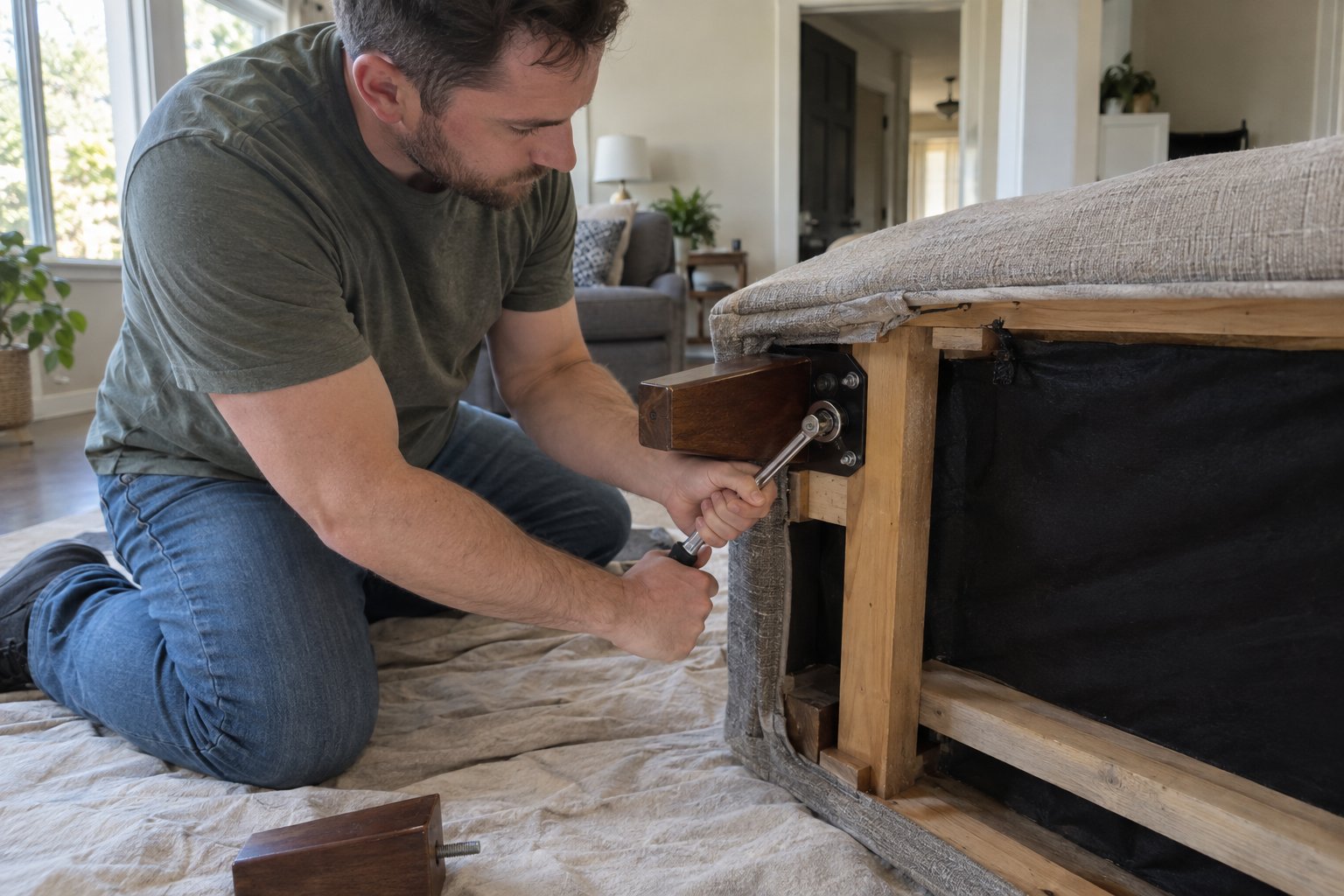
The more you can break down, the safer your screened porch items will travel. Porch swings, patio sets, ceiling fans, and string lights all benefit from full or partial disassembly before loading.
Unclip or unbolt the porch swing from its ceiling hooks and disassemble the swing itself if possible. Place all bolts, hooks, chains, and hanging hardware into a clearly labeled zip-lock bag and tape it directly to the swing frame so nothing gets separated. Wrap the swing in moving blankets and secure the blankets with stretch wrap or packing tape applied to the blanket — never directly to the wood or painted surface, where tape residue can pull off finishes.
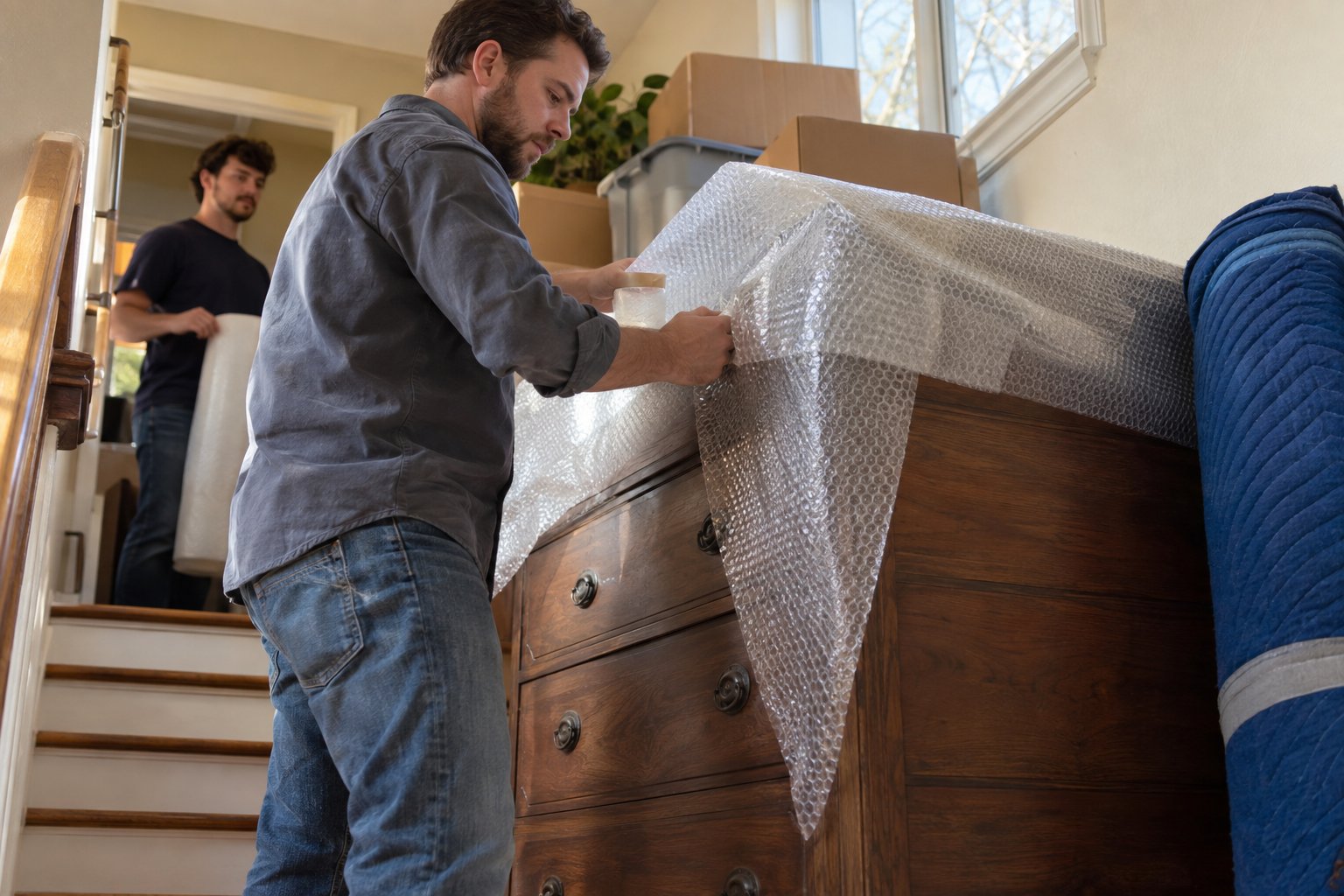
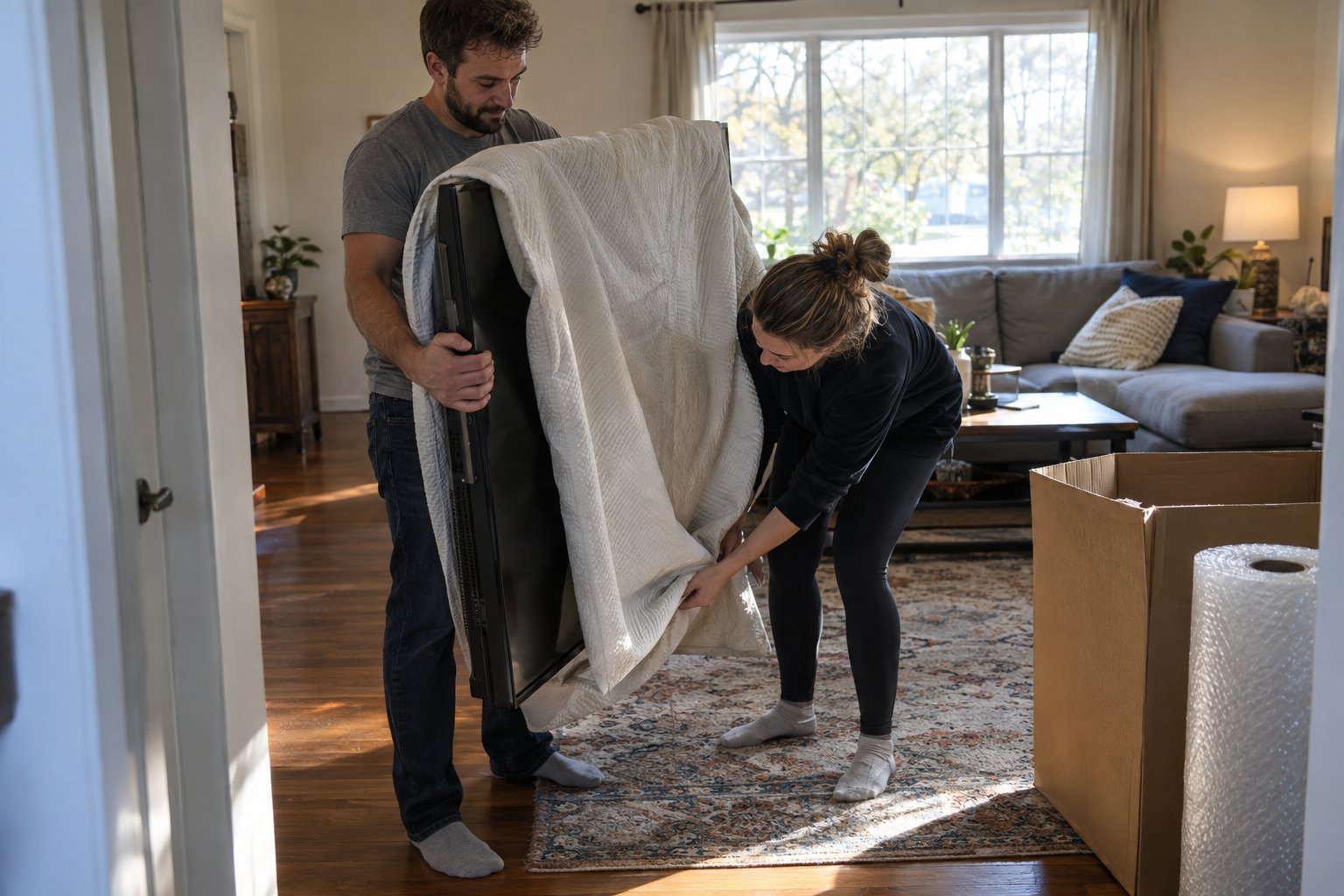
Remove the glass top from any patio or side table before moving. Wrap the glass in at least two layers of packing paper, followed by a layer of bubble wrap, and tape the bundle securely. Transport glass tops standing vertically — never flat — in the truck, cushioned between mattresses or moving blankets so they cannot slide or vibrate against hard surfaces. Label every wrapped glass piece clearly on both sides.
Unstring lights carefully rather than pulling them down in a tangle. Wrap each strand loosely around a piece of cardboard to keep them organized and prevent bulbs from cracking against each other. Pack light strands in sturdy boxes with a layer of packing paper underneath and around them. Ceiling fans should be removed from their mounts, blades detached, and all hardware stored in a labeled bag.
Plants present a unique challenge during a move. Ceramic and terracotta planters are heavy, fragile, and chip easily — wrap each one individually in packing paper or bubble wrap before placing them in boxes. Line the bottom of plant boxes with crumpled paper for cushioning and pack planters snugly so they cannot shift. As for live plants, know that most moving trucks get extremely hot during summer months in Alabama and across the Southeast. For short local moves, plants can sometimes ride in a personal vehicle with the air conditioning running. For longer moves, research your destination state's rules on transporting plants across state lines, as some states restrict certain species.
How your screened porch items are loaded onto the truck matters as much as how they are packed. Heavy, dense items — planters, furniture frames — go on the truck floor against the cab wall. Light, fragile items — glass tops, lanterns, boxed string lights — go near the top of the load or between padded furniture pieces where they cannot shift. Outdoor rugs and cushions can fill gaps between larger pieces of furniture to reduce movement during transit. Never stack heavy boxes on top of cushions or fabric items, where the weight will compress and permanently deform the padding.
If you are making a long-distance move, consider climate when scheduling your load time. Loading a sealed moving truck at noon in July in Auburn, Alabama means the interior temperature will climb well above what is safe for plants and even for certain materials like resin furniture, which can warp under sustained extreme heat. Early morning loading keeps conditions more manageable and gives your belongings the best chance of arriving in good shape.
When the truck arrives at your new home, resist the temptation to unload your screened porch items last just because they feel lower priority than the bedroom and kitchen. Getting your porch furniture off the truck promptly — especially in warm weather — reduces heat exposure and makes it easier to stage the new porch before it fills up with boxes from more urgent rooms.
Before reassembling furniture, give your new screened porch a thorough sweep and check the condition of the screens for tears or gaps that might let insects in before you have a chance to address repairs. Reinstall your ceiling fan and string lights before the furniture goes back in, since working overhead is far easier with an empty floor. Then bring in the furniture, reassemble pieces in their new positions, add your cushions and textiles once you are certain they are fully dry, and rehang your porch swing last so you can enjoy it the moment the move is done.
Moving a screened porch well takes planning, the right supplies, and more time than most homeowners budget for it. If you would rather hand the whole process to a team that does this every day, the professionals at Wise Guys Moving are ready to help. Call (334) 610-1593 or get a free moving quote and let us take care of every room in your home — screened porch included.
You can move lighter screened porch items yourself with the right packing supplies and a rental truck, but heavier pieces like porch swings, large planters, and glass-top tables benefit significantly from professional handling. Professional movers have the equipment and experience to protect fragile outdoor furniture and load items in a way that prevents shifting and damage during transit.
Wrap each planter individually in packing paper or bubble wrap, making sure to cover the rim and base — the two most vulnerable areas. Place wrapped planters in sturdy boxes lined with crumpled paper for cushioning, and pack them snugly so they cannot shift inside the box. Label every box clearly and load them on a flat, stable surface in the truck rather than stacking them.
For local moves in Auburn and the surrounding area, transporting live plants in a personal vehicle with the air conditioning running is strongly preferred. Moving trucks can reach dangerous interior temperatures, especially in Alabama's summer heat, which can kill plants within hours. For long-distance moves, check your destination state's regulations on transporting plants, as some states have restrictions on certain species.
Unhook or unbolt the swing from its ceiling hardware and disassemble it as much as possible. Collect all bolts, chains, and mounting hardware in a labeled zip-lock bag and secure the bag to the frame. Wrap the swing in moving blankets held in place with stretch wrap — applied to the blanket, not directly to the wood — and load it flat or leaned carefully against padded truck walls.
For most screened porches, starting one to two weeks before moving day gives you enough time to sort, clean, disassemble, and pack without rushing. If your porch is large, heavily furnished, or contains a significant number of plants and fragile décor items, starting two to three weeks out is even better. Beginning early means you can address repairs, donate unwanted items, and pack in manageable stages rather than in a last-minute scramble.

You can move lighter screened porch items yourself with the right packing supplies and a rental truck, but heavier pieces like porch swings, large planters, and glass-top tables benefit significantly from professional handling. Professional movers have the equipment and experience to protect fragile outdoor furniture and load items in a way that prevents shifting and damage during transit.
Wrap each planter individually in packing paper or bubble wrap, making sure to cover the rim and base — the two most vulnerable areas. Place wrapped planters in sturdy boxes lined with crumpled paper for cushioning, and pack them snugly so they cannot shift inside the box. Label every box clearly and load them on a flat, stable surface in the truck rather than stacking them.
For local moves in Auburn and the surrounding area, transporting live plants in a personal vehicle with the air conditioning running is strongly preferred. Moving trucks can reach dangerous interior temperatures, especially in Alabama's summer heat, which can kill plants within hours. For long-distance moves, check your destination state's regulations on transporting plants, as some states have restrictions on certain species.
Unhook or unbolt the swing from its ceiling hardware and disassemble it as much as possible. Collect all bolts, chains, and mounting hardware in a labeled zip-lock bag and secure the bag to the frame. Wrap the swing in moving blankets held in place with stretch wrap — applied to the blanket, not directly to the wood — and load it flat or leaned carefully against padded truck walls.
For most screened porches, starting one to two weeks before moving day gives you enough time to sort, clean, disassemble, and pack without rushing. If your porch is large, heavily furnished, or contains a significant number of plants and fragile décor items, starting two to three weeks out is even better. Beginning early means you can address repairs, donate unwanted items, and pack in manageable stages rather than in a last-minute scramble.