Moving antiques and heirlooms is not the same job as moving ordinary furniture, even when the pieces look similar from across the room. An antique dresser might have veneer that lifts with humidity, joints held by hide glue instead of screws, or a finish that reacts badly to plastic wrap. A family heirloom carries value that has nothing to do with its market price, which means a scratch or crack is not something insurance money can really fix. Knowing what makes these pieces different, and what to ask of anyone handling them, is the difference between an item that survives a move and one that does not.
Antiques and heirlooms are harder to move safely because their materials, joinery, and finishes were never designed for modern handling, and their value is often sentimental or historical rather than easily replaceable. A dining table from a big box store can be disassembled, dropped an inch, or scuffed without much consequence. A 90-year-old sideboard cannot.
Older wood pieces frequently use animal-hide glue, which is more brittle than modern adhesives and can fail under vibration or temperature swings. Veneers, inlays, and marquetry are thin layers of decorative wood that lift or crack if they get too dry, too damp, or bumped at the wrong angle. Original hardware, hand-cut dovetails, and old finishes like shellac are also part of the piece's value, so refinishing or replacing them to fix moving damage actually lowers what the item is worth. Heirlooms add another layer: a piece that belonged to a grandparent has no replacement cost that matters to the family, no matter what an appraisal says.
Yes, if the piece has any real age, rarity, or sentimental weight, getting a written appraisal before the move gives you a documented value and a baseline record of its condition. This matters most for insurance purposes and for settling any dispute if damage happens in transit.
A simple phone photo with a timestamp is better than nothing, but a written appraisal from a certified appraiser holds up much better if you ever need to file a claim. Photograph the piece from multiple angles, including close-ups of existing scratches, veneer lifting, or repairs, before it is wrapped. This protects you two ways: it proves pre-existing condition, and it gives your mover a clear picture of what they are handling and where the weak points already are.
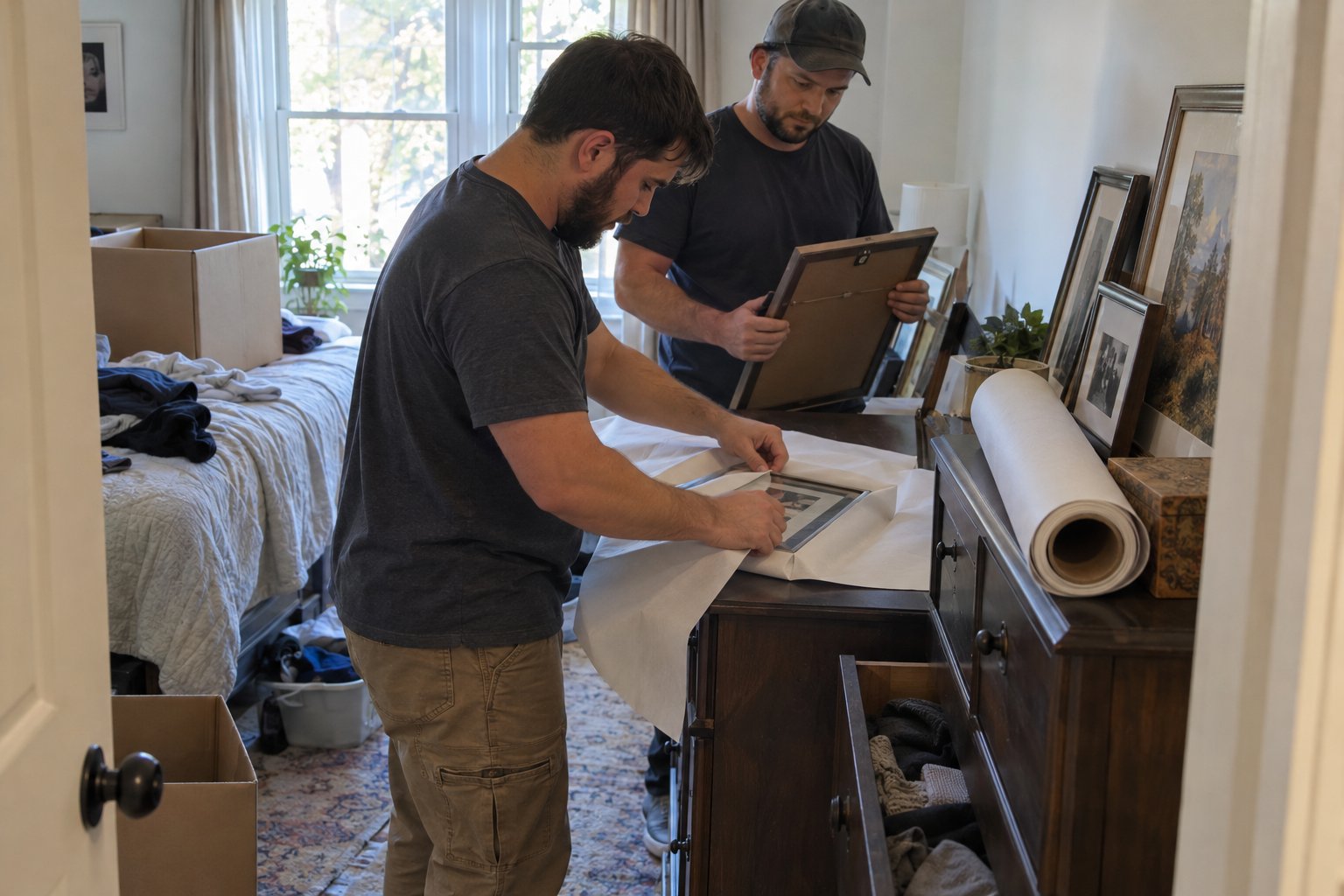
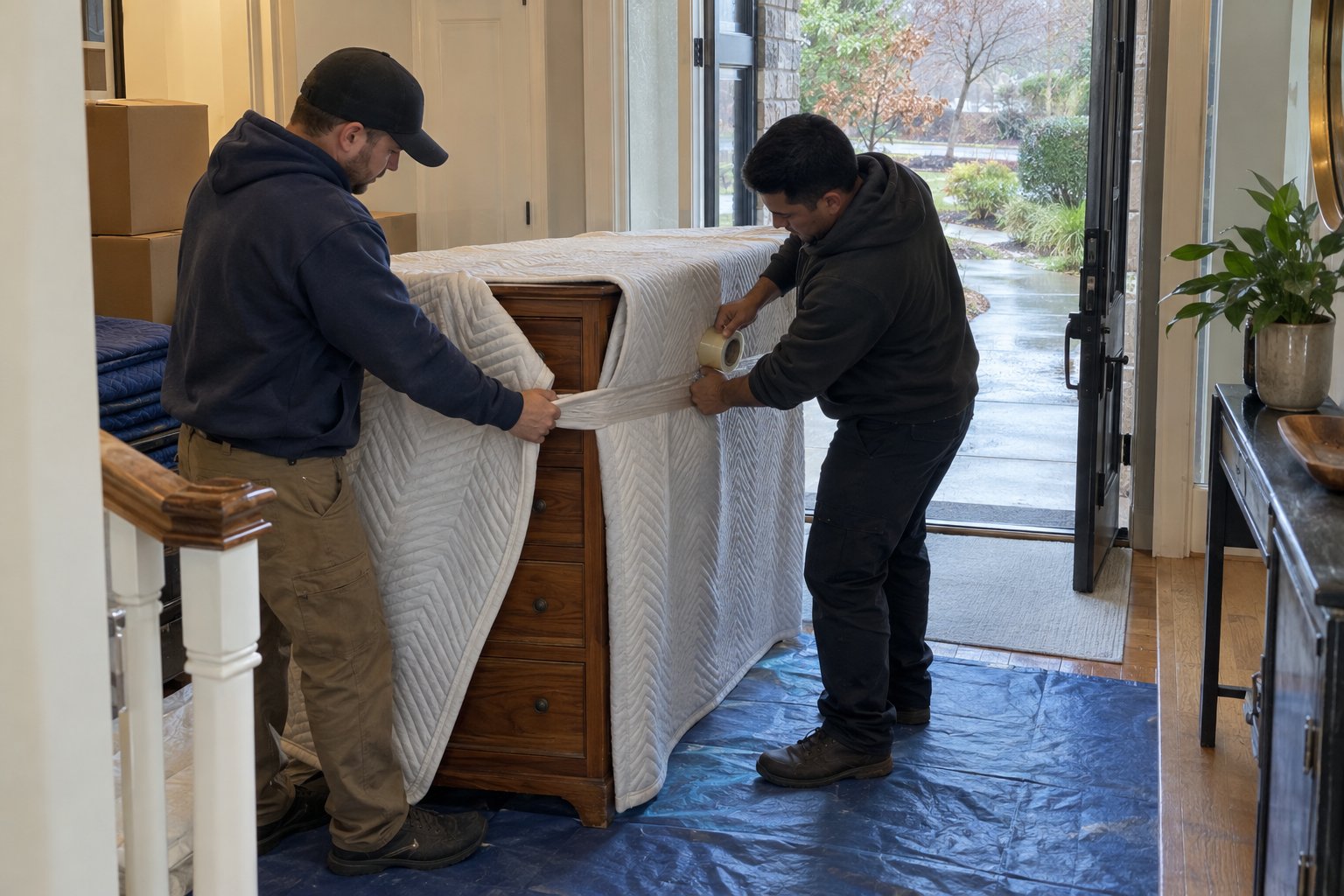
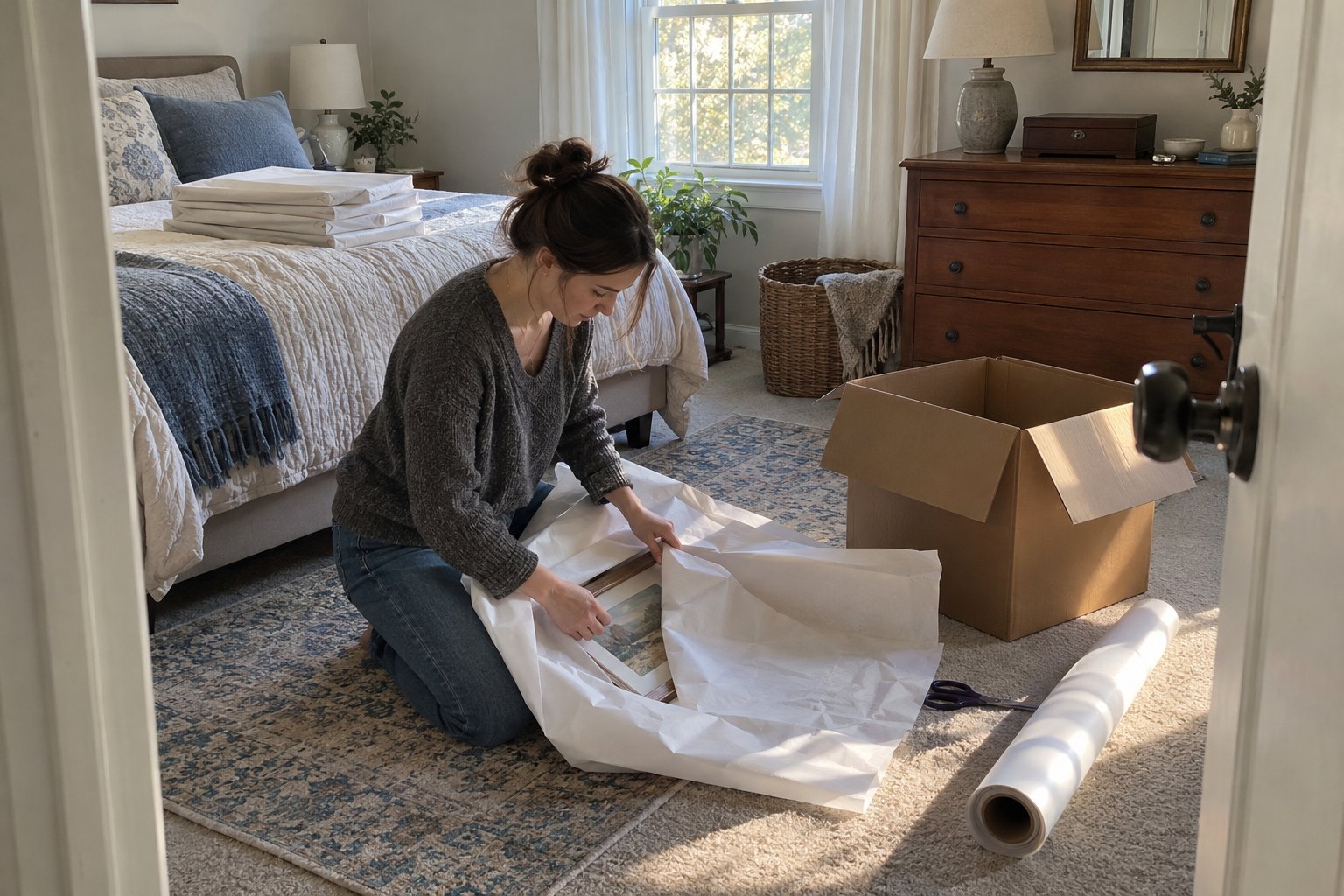
Professional movers treat antiques differently at every stage: they use custom padding instead of generic blankets, avoid plastic wrap directly on finished wood, and often build wood crates for the most fragile or valuable pieces rather than relying on boxes. The goal is to control both physical shock and the surrounding environment during transit.
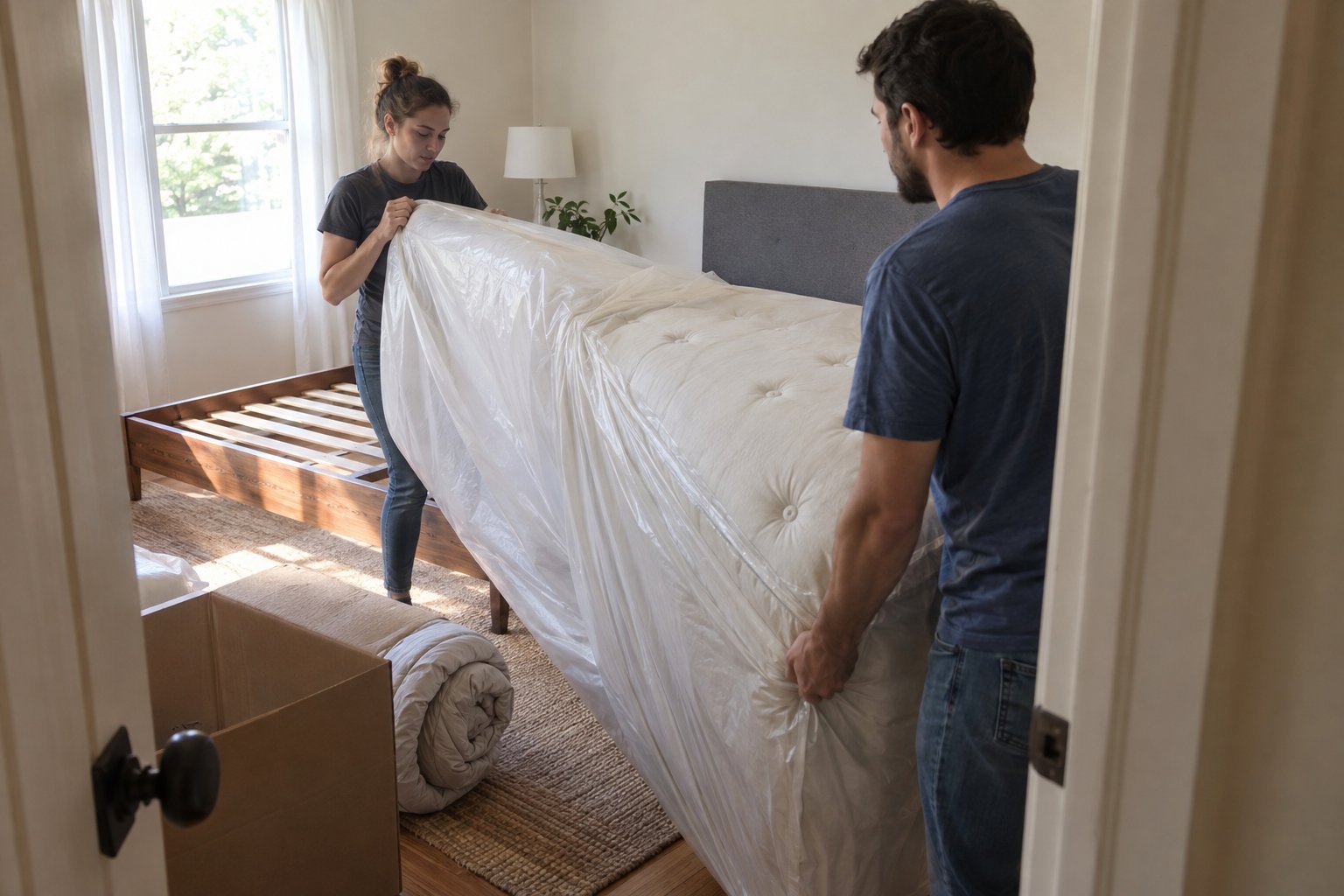
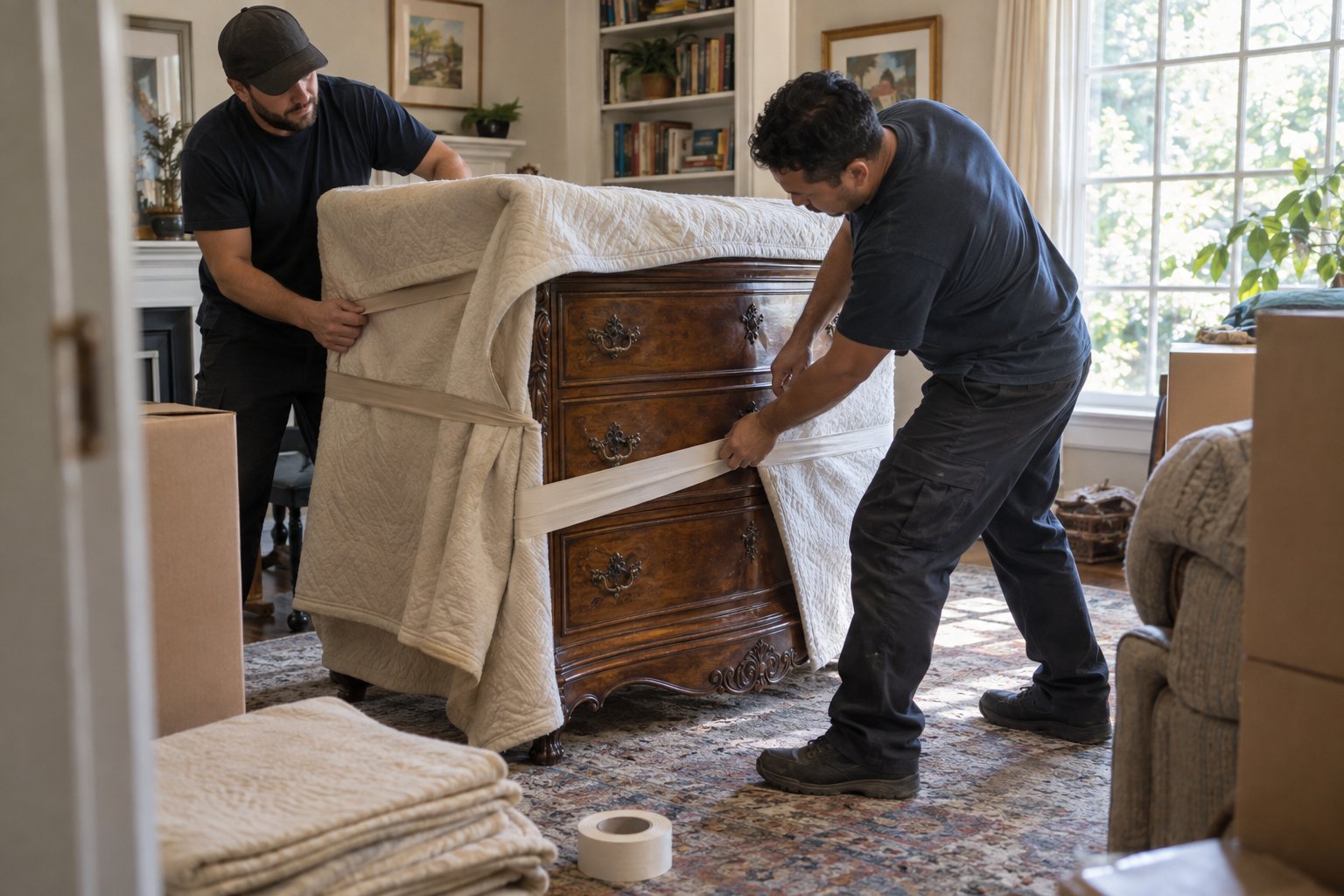
Plastic stretch wrap can trap moisture against an old finish and cause clouding or mildew, so movers typically use breathable moving pads or blankets secured with tape that never touches the wood itself. Legs, feet, and carved details get individually padded since they take the brunt of impact if a piece shifts. Drawers are usually removed and packed separately rather than left in place, both to reduce weight and to stop them from sliding open and scraping their runners. For genuinely fragile or high-value pieces, a custom wood crate keeps the item rigid and isolated from everything else on the truck, which matters more on long-distance moves where items shift over hours rather than minutes.
Temperature and humidity swings inside a moving truck can be as damaging as a bump. Wood expands and contracts, and sudden changes accelerate cracking in veneer and joints. If you are moving antiques during a hot summer stretch or a damp season, ask whether the truck has any climate control or whether the move can be scheduled to minimize time in extreme conditions.
Standard moving insurance, often based on weight, will not come close to covering an antique's real value, so you need to ask specifically about full-value protection or a separate valuables policy before moving day. Most basic coverage pays out a fixed amount per pound, which might be a few dollars for a piece worth thousands.
Ask whether the moving company offers full-value protection that covers antiques at declared value, and whether that declared value requires the appraisal you already obtained. Some movers exclude antiques, fine art, and collectibles from standard coverage entirely and require a separate rider or third-party insurance policy. Get this in writing before the move, not as a conversation the day the truck arrives. If a mover cannot clearly explain how their coverage applies to a specific heirloom, that is worth treating as a warning sign about how carefully they will handle it in general.
For small, irreplaceable, or especially fragile heirlooms, moving them yourself in your own vehicle is often the safer choice, even when you hire professionals for everything else. This is common practice and most moving companies expect it.
Jewelry, small framed photos, and delicate keepsakes are easy to transport personally and remove the risk entirely. Larger pieces like an antique wardrobe or a grandfather clock are a different story: they genuinely need trained hands, the right equipment, and often a second person just to move safely, which is where hiring specialists earns its cost. The middle ground is deciding item by item rather than treating the whole move the same way. If something would be devastating to lose and fits in a car, it usually belongs with you, not on the truck.
A mover experienced with fragile and specialty items will ask about your antiques before the move, not just show up with standard blankets and boxes. That conversation is a good early signal of how the rest of the move will go. Wise Guys Moving's safe moving service is built around exactly this kind of careful handling for pieces that cannot simply be replaced if something goes wrong.
If your move includes a mix of heirlooms and everyday boxes, it also helps to have the packing itself handled by people trained to wrap fragile and irregular items correctly the first time. Our packing services team can pack around antiques and heirlooms as part of a broader move, so fragile pieces are not the last thing thrown together the night before. For families in the Auburn area planning a move that includes antique furniture, our Auburn, AL moving team can walk through the specifics of your pieces ahead of time.
Once your fragile items are accounted for, get a clear breakdown of what the rest of the move will cost so there are no surprises on moving day. You can get a free moving quote and mention your antiques or heirlooms up front so the estimate reflects the extra care they need.
Cost depends on the piece's size, fragility, and whether it needs custom crating. A single antique dresser or table might only add a modest handling fee to a standard move, while a fragile piece requiring a built wood crate costs more because of the materials and extra labor involved. Ask your mover for a specific line item rather than assuming it is folded into the general estimate.
Usually not at full value. Most basic moving coverage pays based on weight, which can be a fraction of what an antique is actually worth. You typically need to declare the item's value ahead of time and confirm the mover offers full-value protection or a separate policy for antiques and collectibles.
Glass should be taped in an X pattern to control shattering, then padded on both sides with cardboard or foam before wrapping in a moving blanket. Glass panels are often removed from cabinet frames entirely and transported flat and separately from the wood body whenever possible.
Generally no. Refinishing before a move can lower the piece's value if it has original finish, and it does nothing to protect it in transit. It is better to document the existing condition with photos and focus your effort on proper padding and crating instead.
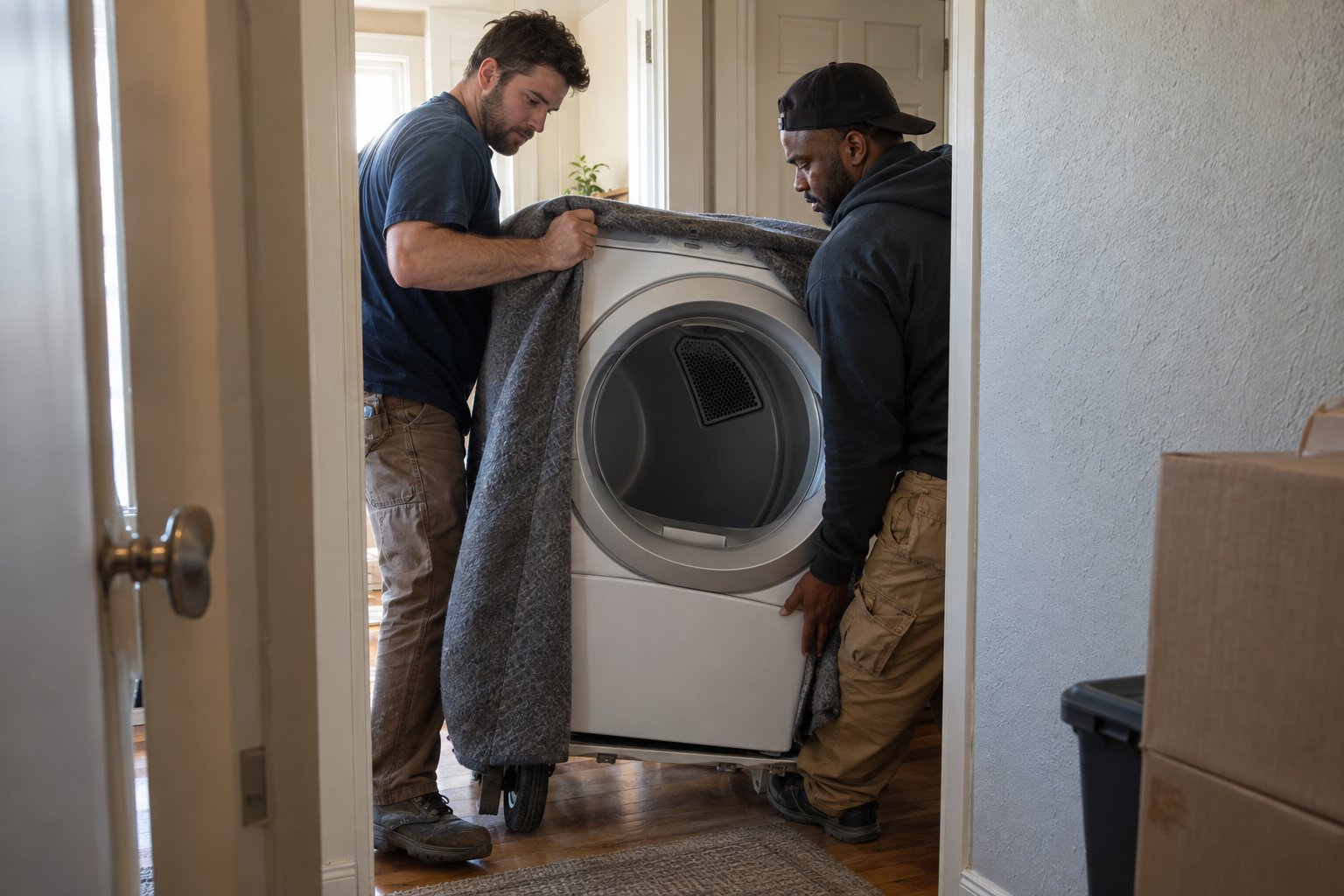
Heavy antiques should be carried, not dragged or tilted onto wheels, since old joints can separate under uneven pressure. Use a stair-rated dolly designed for the piece's weight, keep it upright when the design allows, and always have at least two people communicating each step of the way.

Cost depends on the piece's size, fragility, and whether it needs custom crating. A single antique dresser or table might only add a modest handling fee to a standard move, while a fragile piece requiring a built wood crate costs more because of the materials and extra labor involved. Ask your mover for a specific line item rather than assuming it is folded into the general estimate.
Usually not at full value. Most basic moving coverage pays based on weight, which can be a fraction of what an antique is actually worth. You typically need to declare the item's value ahead of time and confirm the mover offers full-value protection or a separate policy for antiques and collectibles.
Glass should be taped in an X pattern to control shattering, then padded on both sides with cardboard or foam before wrapping in a moving blanket. Glass panels are often removed from cabinet frames entirely and transported flat and separately from the wood body whenever possible.
Generally no. Refinishing before a move can lower the piece's value if it has original finish, and it does nothing to protect it in transit. It is better to document the existing condition with photos and focus your effort on proper padding and crating instead.
Heavy antiques should be carried, not dragged or tilted onto wheels, since old joints can separate under uneven pressure. Use a stair-rated dolly designed for the piece's weight, keep it upright when the design allows, and always have at least two people communicating each step of the way.