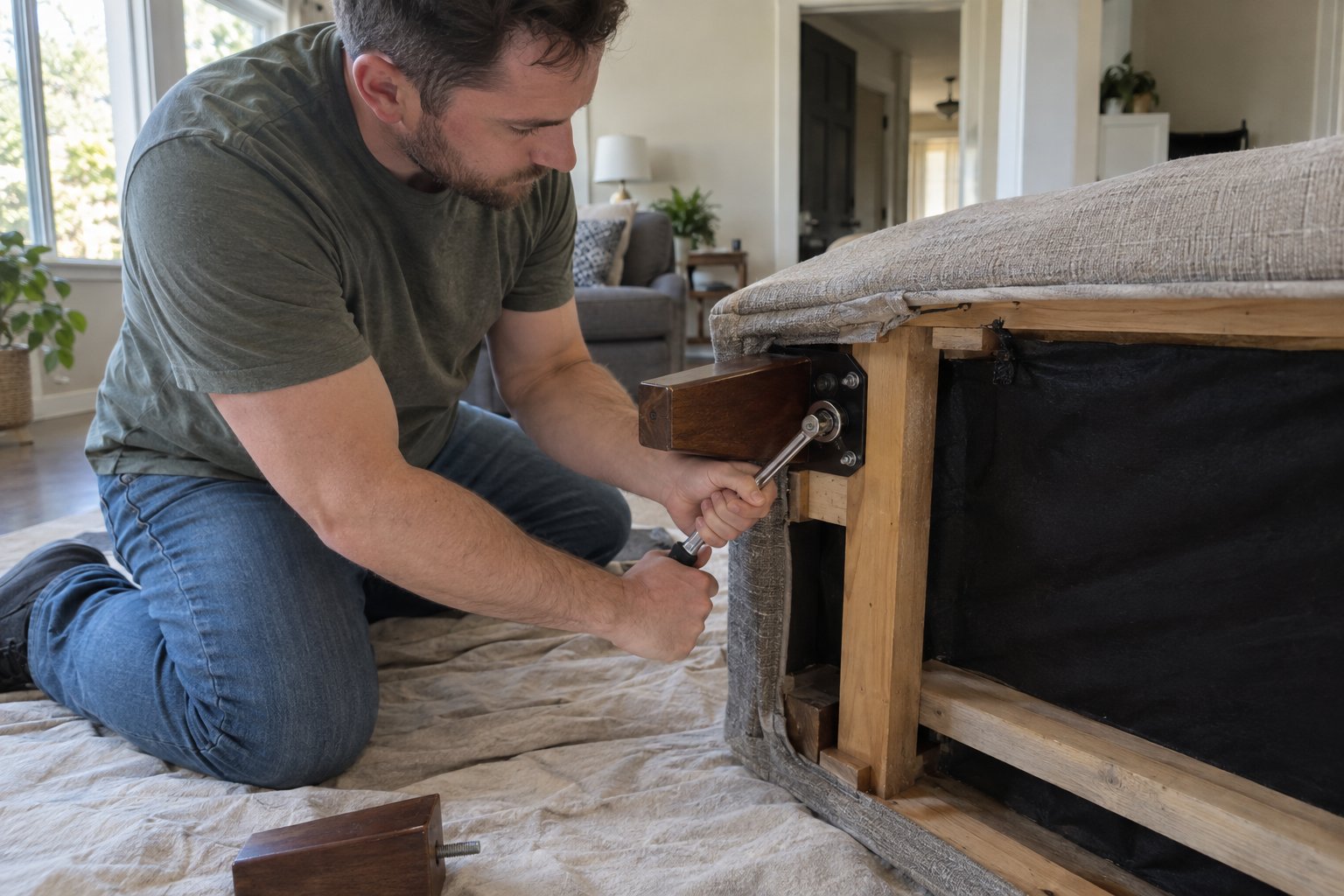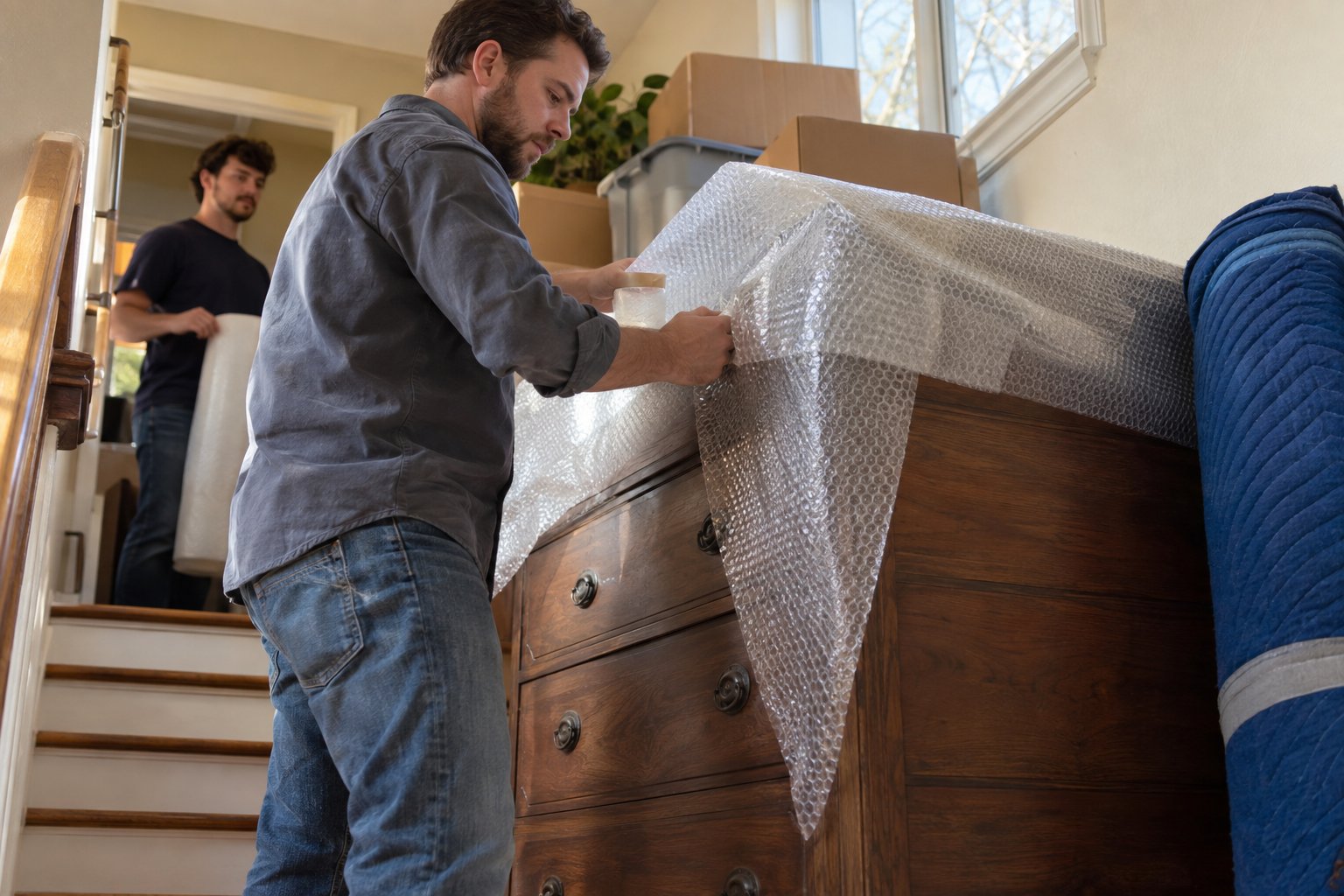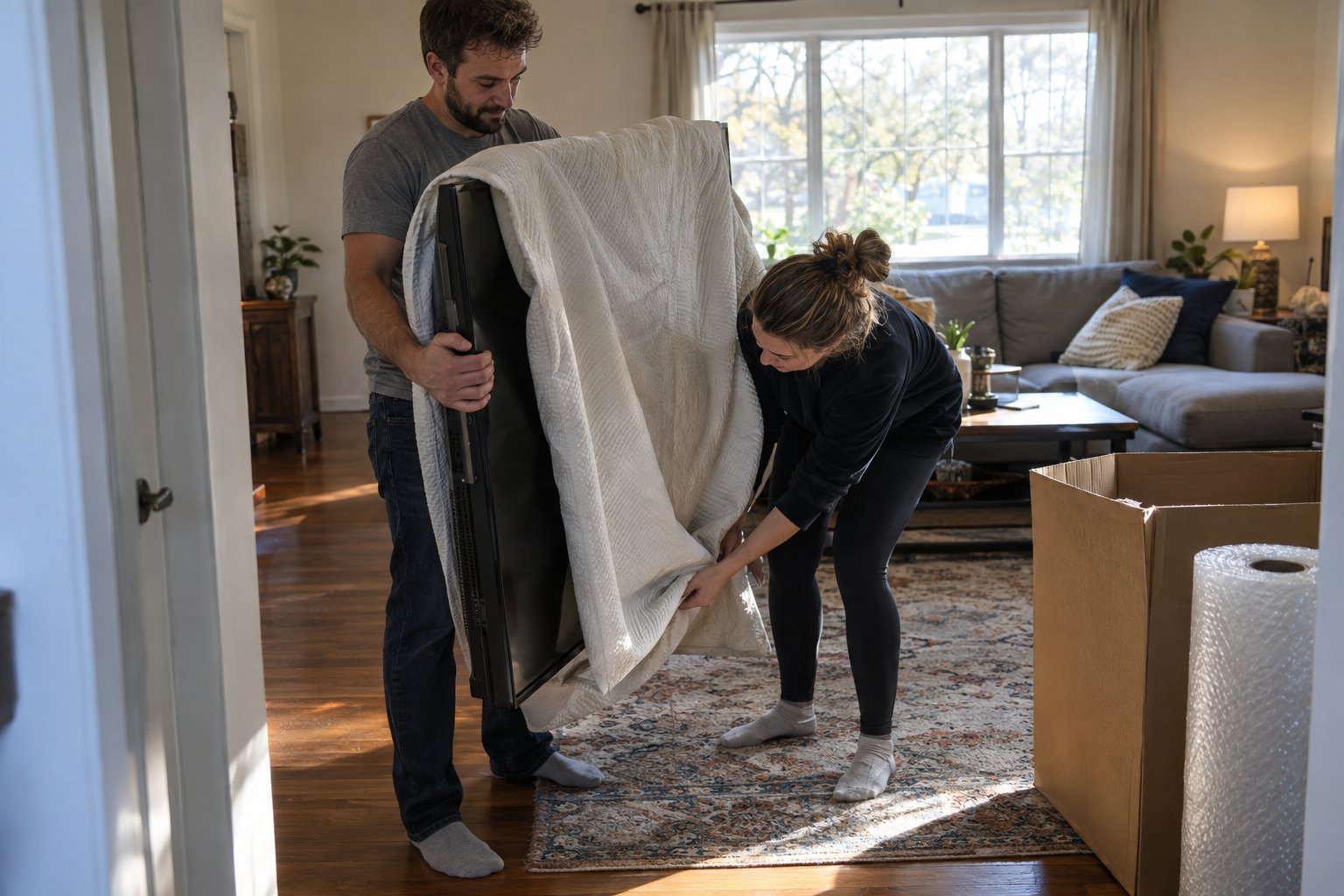
When homeowners work through their room-by-room moving plan, the game room almost always gets treated as an afterthought — but knowing how to pack and move a game room the right way can save you from a cracked pool table slate, a shattered arcade cabinet screen, a foosball table that arrives with bent rods, and a new home where your entertainment space is a jumbled mess of loose cords, missing controllers, and unassembled equipment that takes weeks to sort out. The game room is deceptively demanding: it combines some of the heaviest and most awkward pieces in the entire house, holds electronics that are sensitive to vibration and static, and contains specialty items — pool tables, ping-pong tables, arcade machines, pinball machines — that require a completely different handling approach than any other category of household furniture.
Whether you are relocating across Auburn or moving to an entirely new city, this guide walks you through every step of packing and moving your game room safely and efficiently. When you are ready to leave the hard work to the professionals, call Wise Guys Moving at (334) 610-1593 or get a free moving quote today.
The game room presents a category of moving challenges that is entirely different from any other space in the home. Unlike the living room — where the primary concern is heavy upholstered furniture and a television — or the garage — where hazardous materials and bulky power tools dominate the risk profile — the game room combines oversized specialty furniture that cannot simply be broken down and boxed, sensitive electronics with intricate internal components, fragile display items and collectibles, tangled bundles of cables and accessories, and in many cases one-of-a-kind or vintage pieces that cannot be replaced if damaged in transit.
Think about what a typical game room actually contains: a full-size or bar-size pool table with a stone or slate playing surface that weighs hundreds of pounds, a foosball or air hockey table with components that protrude and snap under lateral pressure, a ping-pong table that folds but is still awkward and heavy, one or more arcade cabinets with CRT or LCD screens, a pinball machine with delicate internal mechanisms and tempered glass, gaming consoles and their associated wiring, a large flat-panel television or projector setup, a mini-fridge or beverage cooler, bar-height stools or chairs, bookshelves lined with board games and card games, and decorative items like neon signs, pennants, and framed sports memorabilia. Each of these categories carries its own specific risk in transit. Pool table slates crack under uneven loading. Arcade cabinet screens shatter from even minor impacts without proper bracing. Pinball machines shift internally when laid flat and require upright transport. Neon signs are fragile glass tubes that shatter if not individually crated.
Plan to dedicate significantly more time to the game room than you might expect. A room with a pool table alone can require three to four hours of careful disassembly and wrapping just for that single piece. If your game room also includes arcade cabinets, a large television, a pinball machine, or an extensive collection of electronics and collectibles, begin the disassembly and pre-staging process at least three to four days before moving day.
Before you pull out a single roll of packing tape, walk through your game room with a clear-eyed assessment of what genuinely deserves a spot on the moving truck and what should be sold, donated, or replaced at your destination.
Moving specialty game room equipment — particularly pool tables, arcade cabinets, and pinball machines — is expensive, labor-intensive, and sometimes risky enough that selling the item locally and purchasing a replacement at the destination is the more practical choice. Before committing to moving a pool table, get an accurate estimate of the cost of professional disassembly, transport, and reinstallation. For a full-size table, this is rarely a DIY undertaking. Ask yourself whether the piece is in good structural condition, whether it will fit the layout and dimensions of the game room in your new home, and whether the moving cost is justified relative to the item's current market value. A coin-op arcade cabinet from the 1980s with a flickering monitor and a warped cabinet body may be better sold to a local enthusiast than shipped across the country.
Game rooms accumulate years' worth of board games with missing pieces, video game cartridges for consoles you no longer own, tangled controllers for discontinued systems, and duplicate accessories that multiplied over time without any deliberate collecting strategy. Moving day is the right moment to edit ruthlessly. Donate complete board games in good condition to local libraries, thrift stores, or community centers. Sell retro gaming equipment through local buy-sell-trade groups or specialty resellers. Discard anything broken, incomplete, or genuinely obsolete. Every item you choose not to move is one fewer box to pack, load, transport, and unpack.
The electronics in a game room — gaming consoles, controllers, headsets, streaming devices, televisions, projectors, and audio equipment — require careful packing to survive the vibration and shifting of a moving truck.
Original manufacturer packaging is purpose-built to protect the device inside it and is almost always the safest option for moving electronics. If you have kept the original boxes and foam inserts for your gaming consoles, televisions, or audio equipment, use them. If you have not, source appropriately sized boxes and build custom padding layers using anti-static bubble wrap, foam sheets, and packing paper. Never use styrofoam peanuts alone for electronics — they shift during transit and provide uneven protection.
Cable management is one of the most underestimated tasks in a game room move. Before disconnecting anything, photograph the back of each device — your television, receiver, console, and any hub or switching equipment — so you have a clear reference for reconnection at the new home. Use resealable plastic bags to keep cables paired with their devices, and label every bag clearly. Twist-tie or velcro-strap cables before bagging them to prevent tangling. Controllers, charging docks, and small accessories should be grouped by console and packed together in clearly labeled boxes.
A flat-panel television in a game room is often larger than the one in the living room. If you no longer have the original box, purchase a purpose-made TV moving box from a moving supply retailer — these are available in multiple sizes and include foam corner guards. Never lay a flat-panel television face-down or flat in a truck bed. Transport it upright, braced on both sides so it cannot tip, and cushioned from contact with any hard surface. Write "FRAGILE — DO NOT LAY FLAT" on both sides of the box in large letters.
This is the section of the game room move that separates a successful relocation from an expensive disaster. Pool tables, arcade machines, and pinball machines are not standard furniture — they require specific techniques and, in most cases, professional handling.
A standard pool table should never be moved fully assembled. The playing surface of most pool tables is made from one, two, or three pieces of slate — a dense, heavy stone that cracks under uneven stress. Moving a pool table requires complete disassembly: the pockets must be removed, the felt carefully peeled back and protected, the slate lifted off and wrapped individually in moving blankets, the rail cushions removed, and the legs and frame broken down. Each slate piece must be transported vertically — never laid flat — to prevent cracking. Reassembly requires re-leveling the slate and re-felting the surface, which is a skilled task. In most cases, hiring a pool table specialist who offers disassembly, transport, and reinstallation as a combined service is the most reliable and cost-effective approach.
Stand-up arcade cabinets are tall, top-heavy, and contain fragile screens — either original CRT tubes or modern LCD replacements — that cannot absorb direct impact. Before moving an arcade cabinet, secure the monitor internally if possible, remove or tape shut any access panels, and wrap the entire cabinet in multiple layers of moving blankets, paying particular attention to the screen bezel and the control panel. Transport arcade cabinets upright when possible. If the cabinet must be tilted to fit through a doorway, tilt it toward the back panel, never toward the front screen. Use a furniture dolly rated for the cabinet's weight, and ensure the cabinet is strapped securely to the interior wall of the truck so it cannot tip during transit.
Pinball machines have delicate internal mechanisms — bumpers, flippers, solenoids, and wiring harnesses — that are designed to function in a specific upright orientation. Transporting a pinball machine on its back can cause internal components to shift, break, or become disconnected. The backglass — the large illustrated glass panel at the rear of the cabinet — is fragile and must be removed and packed separately before moving. Wrap the playfield with moving blankets and tape the legs securely. Transport the machine upright, tilted only slightly back as you would push it on its own legs, and strap it firmly to prevent lateral movement in the truck.
Foosball tables are lighter than pool tables but have protruding rods that catch on everything and bend under lateral force. Remove the balls and store them separately. Wrap the rods in moving blankets or foam tubing to protect them, and consider removing them entirely if the table allows it. Air hockey tables should be drained of any fluid in the motor or blower system and wrapped completely before transport. Both pieces should be transported on their sides if the truck does not have sufficient vertical clearance to keep them upright, with padding between the table surface and any adjacent items.
Beyond the major equipment, the game room holds a range of smaller but equally fragile items that require thoughtful packing.
Neon signs — whether vintage gas-filled tubes or modern LED flex versions — are among the most fragile items in any game room. True neon-gas signs must be individually wrapped in foam, placed in a custom-fit box, and clearly marked as fragile and breakable. Never stack anything on top of a neon sign box. LED neon flex signs are more durable but still require padding and protection from sharp impacts. Remove all neon signs from walls at least two days before moving day and store them somewhere they will not be bumped or shifted during the pre-move chaos.
Signed jerseys, framed photographs, vintage sports posters, and other wall art should be wrapped individually in acid-free packing paper, then in bubble wrap, and packed vertically in picture boxes. Do not lay framed pieces flat in a stack — the frames can press against each other and crack the glass or bend the mat. Label each box with the room destination and "FRAGILE — KEEP UPRIGHT."
Board games are deceptively heavy when packed in quantity and are easily damaged if their boxes get wet or crushed. Pack board games vertically — like books on a shelf — in sturdy medium boxes. Fill any gaps in the box with packing paper to prevent shifting. Do not pack board games in the same box as heavy electronics or tools. If any games have loose pieces that could scatter, place them in sealed plastic bags inside the game box before packing.
On moving day, ensure all game room items are clearly labeled with their destination room so the movers can place them directly where they belong. Large specialty equipment — pool tables, arcade cabinets, pinball machines — should be loaded last onto the truck when possible, positioned against the interior walls, and strapped securely so they cannot tip or shift during transit. Communicate clearly with your movers about which items are fragile and which require upright transport. At the new home, resist the urge to rush the setup. Reinstall pool tables, arcade cabinets, and pinball machines before arranging the rest of the room so you have full access and working space for the heavy pieces. Take your time reconnecting electronics using your cable photos as a reference, and give all equipment a thorough test before declaring the room complete.
Ready to move your game room without the stress? The professionals at Wise Guys Moving have the experience, equipment, and care to handle everything from pool tables to fragile neon signs. Call us at (334) 610-1593 or request a free moving quote and let us take it from here.
Moving a pool table yourself is strongly discouraged unless you have prior experience with slate disassembly and reinstallation. Pool table slates are extremely heavy — often over 150 pounds per piece — and crack under uneven stress if handled incorrectly. The felt must be carefully removed and protected, and the table must be releveled and refelted at the destination. In most cases, hiring a pool table specialist who handles disassembly, transport, and reinstallation as a combined service is the safest and most cost-effective option.
Arcade cabinets should be wrapped completely in moving blankets, with extra padding around the screen bezel and control panel. Transport them upright whenever possible — if tilting is necessary to clear a doorway, always tilt toward the back, never toward the front screen. Secure the cabinet to the interior wall of the moving truck with straps so it cannot tip during transit. Remove or tape shut any access panels before wrapping to prevent them from swinging open and damaging the interior.
Yes. Pinball machines should be transported upright or tilted only slightly toward the back, as their internal components — flippers, bumpers, solenoids, and wiring — are designed to function in a specific orientation. Laying a pinball machine flat can cause parts to shift, break connections, or become damaged. Before moving, always remove the backglass separately, as it is a large sheet of illustrated glass that is highly fragile and will almost certainly break if left in place during transport.
Use the original manufacturer packaging if you still have it. If not, wrap each console in anti-static bubble wrap and place it in a snug-fitting box with foam or packing paper filling all gaps. Photograph the back of each device before disconnecting cables so you have a reconnection reference. Store all cables in labeled resealable bags paired with their devices. Pack controllers and accessories together by console in clearly labeled boxes, and mark every box with its contents and the destination room.
Neon signs — especially true gas-filled neon tubes — are among the most fragile items in a game room. Wrap each sign individually in foam or bubble wrap, place it in a custom-fit box with padding on all sides, and label the box clearly as fragile and breakable. Never stack anything on top of a neon sign box. Remove signs from the wall at least two days before moving day and store them somewhere safe from accidental bumps. LED flex neon signs are more durable but still require padding and careful handling.

Moving a pool table yourself is strongly discouraged unless you have prior experience with slate disassembly and reinstallation. Pool table slates are extremely heavy — often over 150 pounds per piece — and crack under uneven stress if handled incorrectly. The felt must be carefully removed and protected, and the table must be releveled and refelted at the destination. In most cases, hiring a pool table specialist who handles disassembly, transport, and reinstallation as a combined service is the safest and most cost-effective option.
Arcade cabinets should be wrapped completely in moving blankets, with extra padding around the screen bezel and control panel. Transport them upright whenever possible — if tilting is necessary to clear a doorway, always tilt toward the back, never toward the front screen. Secure the cabinet to the interior wall of the moving truck with straps so it cannot tip during transit. Remove or tape shut any access panels before wrapping to prevent them from swinging open and damaging the interior.
Yes. Pinball machines should be transported upright or tilted only slightly toward the back, as their internal components — flippers, bumpers, solenoids, and wiring — are designed to function in a specific orientation. Laying a pinball machine flat can cause parts to shift, break connections, or become damaged. Before moving, always remove the backglass separately, as it is a large sheet of illustrated glass that is highly fragile and will almost certainly break if left in place during transport.
Use the original manufacturer packaging if you still have it. If not, wrap each console in anti-static bubble wrap and place it in a snug-fitting box with foam or packing paper filling all gaps. Photograph the back of each device before disconnecting cables so you have a reconnection reference. Store all cables in labeled resealable bags paired with their devices. Pack controllers and accessories together by console in clearly labeled boxes, and mark every box with its contents and the destination room.
Neon signs — especially true gas-filled neon tubes — are among the most fragile items in a game room. Wrap each sign individually in foam or bubble wrap, place it in a custom-fit box with padding on all sides, and label the box clearly as fragile and breakable. Never stack anything on top of a neon sign box. Remove signs from the wall at least two days before moving day and store them somewhere safe from accidental bumps. LED flex neon signs are more durable but still require padding and careful handling.