When homeowners work through their room-by-room moving plan, the sunroom almost always gets underestimated — but knowing how to pack and move a sunroom the right way can save you from cracked glass tabletops, warped rattan furniture, shattered ceramic planters, tangled string lights that took hours to hang, and a moving-day scramble that sets every other room behind schedule. The sunroom is deceptively demanding: it blends indoor comfort with outdoor materials, accumulates a rotating mix of furniture, plants, and fragile décor, and contains glass elements — in windows, tabletops, and decorative panels — that punish even a single moment of careless handling during transit.
Whether you are relocating across Auburn or moving to an entirely new city, this guide walks you through every step of packing and moving your sunroom safely and efficiently. When you are ready to leave the hard work to the professionals, call Wise Guys Moving at (334) 610-1593 or get a free moving quote today.
The sunroom presents a category of moving challenges that is entirely different from any other space in the home. Unlike the living room — where the primary concern is heavy upholstered furniture and entertainment systems — or the garage — where hazardous materials and bulky power tools dominate the risk profile — the sunroom combines weather-exposed furniture made from wicker, rattan, aluminum, or tempered glass, a curated collection of potted plants and hanging greenery that requires careful climate management during a move, fragile decorative lighting, outdoor-grade textiles like cushion covers and area rugs, and often structural glass elements in walls or roofs that cannot be moved at all but must be protected from vibration and pressure during loading.
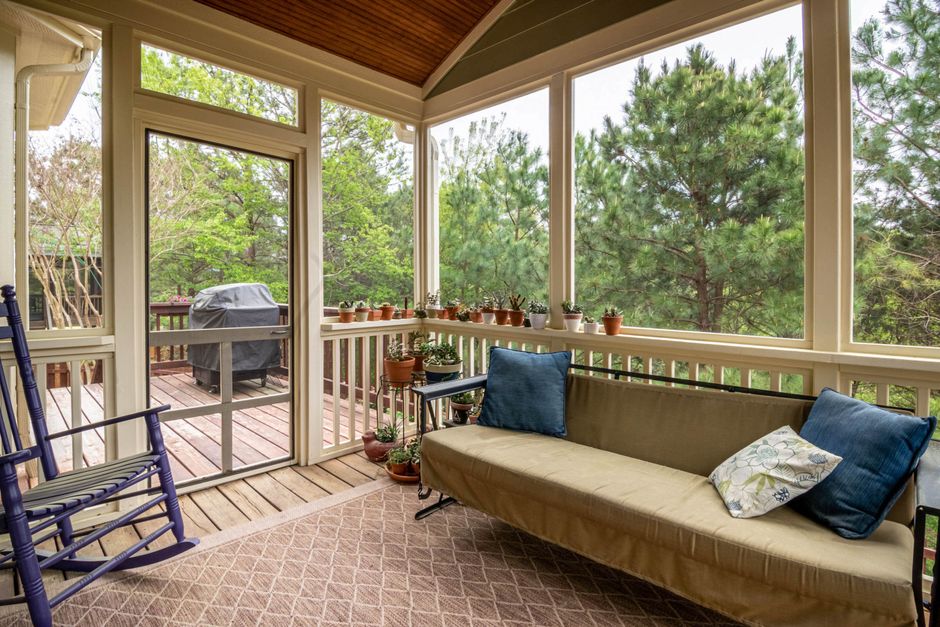
Think about what a typical sunroom actually contains: a wicker sofa or loveseat with plump cushions, a glass-top coffee or dining table resting on a wrought-iron base, a collection of ceramic or terracotta planters holding tropical plants or succulents, floor-to-ceiling drapes or bamboo blinds, pendant lights or a ceiling fan with a glass shade, a set of folding or stacking chairs, an accent rug, and shelving holding candles, books, and decorative objects. Each of these categories carries its own specific risk in transit. Wicker and rattan can snap under compression if boxes are stacked on top of them. Glass tabletops can shatter from a single sharp impact. Plants can wilt, tip, or spill soil in a matter of minutes if not secured. Decorative lighting tangles and breaks if coiled carelessly into a box.
Plan to dedicate at minimum a full afternoon — ideally a complete day — exclusively to the sunroom. If your sunroom is a fully furnished four-season room with large glass furniture pieces and an extensive plant collection, begin sorting, pruning, and pre-packing décor items at least one week before moving day.
Before you pull out a single roll of bubble wrap, walk through your sunroom with a critical eye and make honest decisions about what deserves space on the moving truck and what should be sold, donated, or left behind.
Sunroom furniture — especially pieces made from natural wicker, rattan, or older wrought iron — often has a shorter useful life than indoor furniture because it endures constant sun exposure, humidity fluctuations, and seasonal temperature swings. Before committing to moving a large wicker sectional or a heavy iron dining set, ask yourself whether the piece is still structurally sound, whether it will fit in the new sunroom or patio layout, and whether the cost and effort of moving it outweigh the cost of replacing it. A wicker sofa with cracked binding and a sagging frame is not worth the moving truck real estate. A high-quality teak or aluminum set in excellent condition absolutely is.
Plants are one of the most logistically challenging categories in any move, and sunrooms tend to accumulate them in quantity. Large tropical plants in heavy ceramic pots can weigh thirty pounds or more per container. Some states have restrictions on transporting certain species of plants across state lines — particularly if you are making a long-distance move. Start by identifying which plants are healthy enough to survive the move, which are small enough to transport without major risk, and which have grown too large to relocate safely. Consider repotting large plants into lightweight plastic containers a week or two before the move to reduce weight and minimize root disturbance on moving day.
Sunrooms accumulate decorative items quickly: candles in glass votives, ceramic figurines, wind chimes, string lights, lanterns, and seasonal accents. Sort everything into three groups — pack and move, donate or sell, and discard. Items that are chipped, broken, or no longer in use are not worth the packing time or box space. String lights and pendant fixtures that are still in good working order are worth wrapping carefully; tangled or burnt-out strands are not.
Sunroom furniture requires packing techniques that are slightly different from standard indoor furniture because of the materials involved. Follow these steps carefully to protect wicker, glass, metal, and upholstered pieces through the move.
Wicker and rattan are strong when supported from the bottom but brittle when subjected to lateral pressure or compression from above. Never stack boxes or other items on top of a wicker chair or sofa, even if it seems sturdy enough to hold the weight — the binding can crack or unravel under sustained load. Wrap the arms, legs, and any particularly delicate woven areas with moving blankets or thick furniture pads before loading. If the piece has removable cushions, wrap the cushions separately in plastic sheeting or large garbage bags to protect them from dust and moisture. Load wicker pieces upright on the truck and secure them to the wall with moving straps so they cannot tip or shift in transit.
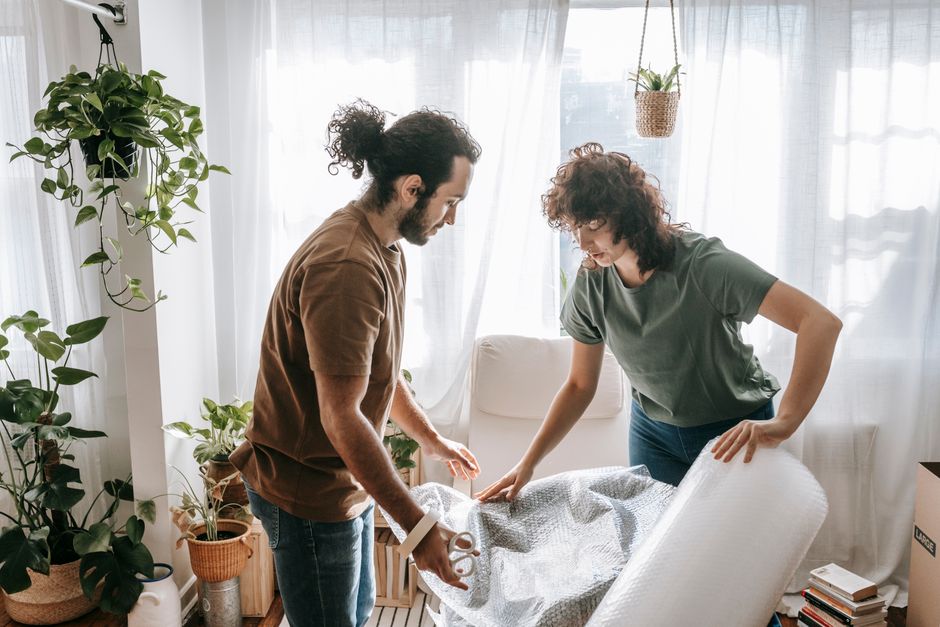
Glass tabletops require their own dedicated packing approach. If the glass top is removable — as is common with wrought-iron or aluminum bases — remove it completely before loading the base onto the truck. Wrap the glass in two layers of bubble wrap, securing each layer with packing tape that does not touch the glass surface itself. Then place the wrapped glass panel in a mirror/picture box or between two sheets of cardboard that are taped securely together. Stand glass panels vertically on the truck — never flat — and pad them on both sides with moving blankets. Label the box or panel clearly: GLASS — FRAGILE — THIS SIDE UP.
Wrought-iron and aluminum frames are generally durable, but their legs and ornamental details can dent, bend, or scratch other items if they are loaded without padding. Wrap the legs in moving blankets or foam pipe insulation and secure with tape. Disassemble any frame that comes apart — remove legs, extensions, or umbrella poles from patio tables before loading to reduce the footprint and eliminate the risk of a protruding leg punching through a box or scratching another piece of furniture.
Outdoor cushions are thick and awkward to pack, but they serve a valuable double purpose on the truck: use large, clean cushions as padding between furniture pieces or wrapped around fragile items. Pack smaller cushions and throw pillows into large garbage bags or wardrobe boxes. Fold area rugs loosely and roll them rather than folding them flat — folding creates creases that can become permanent in thicker outdoor rugs.
Plants are living things, and they respond to the stress of a move in ways that boxes and furniture do not. With the right preparation, most healthy plants can survive a local or regional move without serious damage.
Water plants on their normal schedule in the week leading up to the move, but avoid overwatering — soggy soil in a sealed vehicle can lead to root rot. Prune back any dead or overgrown branches to reduce the overall size of large plants and make them easier to load. Repot any plants currently in heavy ceramic or terracotta containers into lightweight plastic nursery pots to reduce weight and minimize the risk of a heavy pot tipping and cracking during transit.
On moving day, place potted plants in open cardboard boxes with crumpled paper or newspaper packed around the base of each pot to prevent tipping. Do not seal the boxes — plants need air circulation. For very large floor plants, wrap the pot in a garbage bag tied loosely at the base to contain any soil spills, then stand the plant in the floor of your personal vehicle rather than in the moving truck if at all possible. Moving trucks get hot, dark, and poorly ventilated — conditions that can damage or kill plants on moves of more than a few hours. Transporting plants in a climate-controlled personal vehicle is strongly preferred.
The decorative items in a sunroom — lanterns, glass votives, ceramic pots, wind chimes, pendant lights — require the same level of care as kitchen glassware, and in some cases more, because they are often irregular in shape and difficult to wrap securely without the right materials.
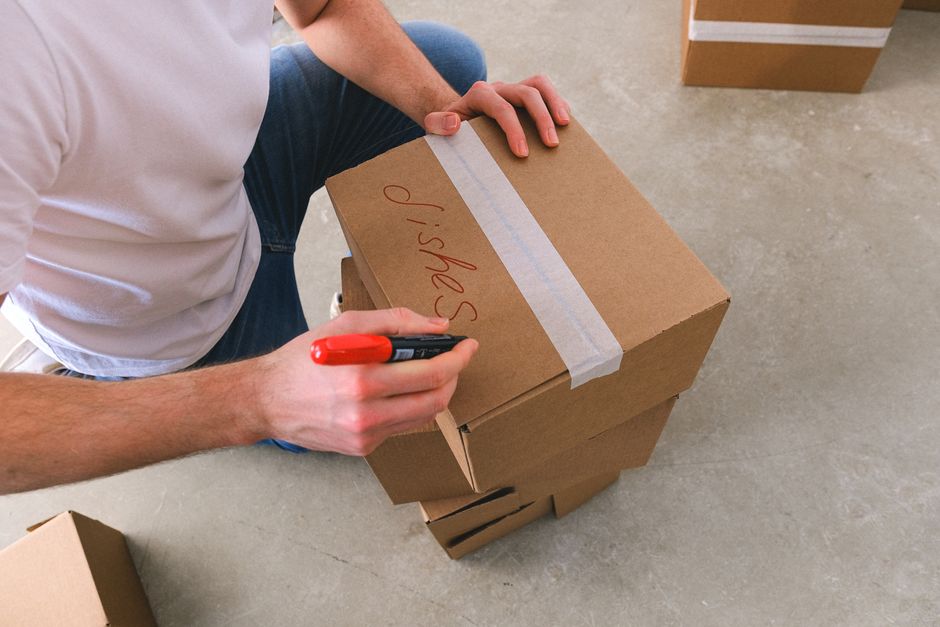
Wrap each lantern or glass votive individually in two to three sheets of packing paper, then in a layer of bubble wrap. Pack wrapped pieces tightly into small or medium boxes with crumpled paper filling any gaps so nothing shifts. Mark every box containing glass décor as FRAGILE on at least three sides. Never pack glass votives or lanterns in the same box as heavy items — ceramic pots, books, or metal hardware.
String lights are notorious for tangling during moves. Wrap each strand around a piece of cardboard cut from a spare box, securing the plug end with a twist tie, before placing it in a box. This takes an extra five minutes per strand but saves an hour of untangling at the new house. Remove pendant light fixtures from their mounting hardware, wrap the shade in bubble wrap, and coil the cord loosely before packing. Keep all mounting hardware in a small labeled zip-lock bag taped to the outside of the box.
Empty ceramic and terracotta planters before moving day — remove the plant, shake out as much soil as possible, and allow the pot to dry if it is damp. Wrap each planter in two layers of bubble wrap, paying particular attention to the rim, which is the most vulnerable point on most pots. Pack wrapped planters in small boxes with crumpled paper between them so they cannot knock against each other. A single impact between two unpadded ceramic pots is usually enough to chip or crack both.
How you load the sunroom items onto the truck matters as much as how you pack them. A well-packed box can still be damaged if it ends up at the bottom of a poorly organized load.
Packing and moving a sunroom is a job that rewards patience, the right materials, and experience with fragile and irregular items. If your sunroom contains glass furniture, a large plant collection, or high-value decorative pieces, the safest decision is to work with a professional moving team that has handled exactly this kind of room before.
Wise Guys Moving serves Auburn, Opelika, and the surrounding East Alabama region with local and long-distance moving services designed to protect every item in your home — from the biggest piece of furniture in your living room to the most delicate ceramic planter in your sunroom. Our team brings the right packing materials, the right equipment, and the right approach to every job. Call us at (334) 610-1593 or get a free moving quote and let us take the stress out of your next move.
For short local moves of an hour or less, most healthy plants can tolerate the inside of a moving truck if they are secured in open boxes and transported quickly. However, moving trucks get hot, dark, and poorly ventilated, which can stress or damage plants — especially tropical varieties that are sensitive to temperature swings. Whenever possible, transport plants in a climate-controlled personal vehicle, even on a local move. On long-distance or multi-day moves, transporting plants in the moving truck is generally not recommended.
Remove the glass top from the base completely before loading day. Wrap the glass panel in two layers of bubble wrap, securing the wrap with packing tape that does not touch the glass surface. Slide the wrapped panel into a mirror or picture box, or sandwich it between two pieces of cardboard taped firmly together. Always transport glass panels standing vertically — never flat — with moving blankets padding both sides. Label the package clearly as FRAGILE and THIS SIDE UP on multiple sides.
Wicker and rattan furniture should be wrapped in moving blankets or furniture pads to protect the woven surfaces from snagging and compression damage. Always load wicker pieces upright on the truck and secure them with moving straps to prevent tipping. Never stack boxes or other items on top of wicker furniture — the binding can crack or unravel under sustained weight. Remove and wrap all cushions separately in plastic sheeting or large garbage bags to keep them clean during transit.
Yes — some states have regulations restricting the transport of certain plant species across state lines to prevent the spread of invasive insects and plant diseases. If you are making an interstate move, check the agricultural regulations for both your origin and destination states before moving plants. The USDA and state departments of agriculture publish these guidelines. Plants that are prohibited from crossing certain state lines cannot legally be transported in the moving truck, and movers may be required to refuse them.
For a typical sunroom with a moderate amount of furniture, plants, and décor, starting one week before moving day is usually sufficient — use that time to sort items, repot plants into lighter containers, prune large plants, disassemble glass-top tables, and pre-pack small decorative items. If your sunroom is large, contains high-value glass furniture, or holds an extensive plant collection, starting two weeks in advance gives you more flexibility to handle plants carefully and pack fragile pieces without rushing.

For short local moves of an hour or less, most healthy plants can tolerate the inside of a moving truck if they are secured in open boxes and transported quickly. However, moving trucks get hot, dark, and poorly ventilated, which can stress or damage plants — especially tropical varieties that are sensitive to temperature swings. Whenever possible, transport plants in a climate-controlled personal vehicle, even on a local move. On long-distance or multi-day moves, transporting plants in the moving truck is generally not recommended.
Remove the glass top from the base completely before loading day. Wrap the glass panel in two layers of bubble wrap, securing the wrap with packing tape that does not touch the glass surface. Slide the wrapped panel into a mirror or picture box, or sandwich it between two pieces of cardboard taped firmly together. Always transport glass panels standing vertically — never flat — with moving blankets padding both sides. Label the package clearly as FRAGILE and THIS SIDE UP on multiple sides.
Wicker and rattan furniture should be wrapped in moving blankets or furniture pads to protect the woven surfaces from snagging and compression damage. Always load wicker pieces upright on the truck and secure them with moving straps to prevent tipping. Never stack boxes or other items on top of wicker furniture — the binding can crack or unravel under sustained weight. Remove and wrap all cushions separately in plastic sheeting or large garbage bags to keep them clean during transit.
Yes — some states have regulations restricting the transport of certain plant species across state lines to prevent the spread of invasive insects and plant diseases. If you are making an interstate move, check the agricultural regulations for both your origin and destination states before moving plants. The USDA and state departments of agriculture publish these guidelines. Plants that are prohibited from crossing certain state lines cannot legally be transported in the moving truck, and movers may be required to refuse them.
For a typical sunroom with a moderate amount of furniture, plants, and décor, starting one week before moving day is usually sufficient — use that time to sort items, repot plants into lighter containers, prune large plants, disassemble glass-top tables, and pre-pack small decorative items. If your sunroom is large, contains high-value glass furniture, or holds an extensive plant collection, starting two weeks in advance gives you more flexibility to handle plants carefully and pack fragile pieces without rushing.