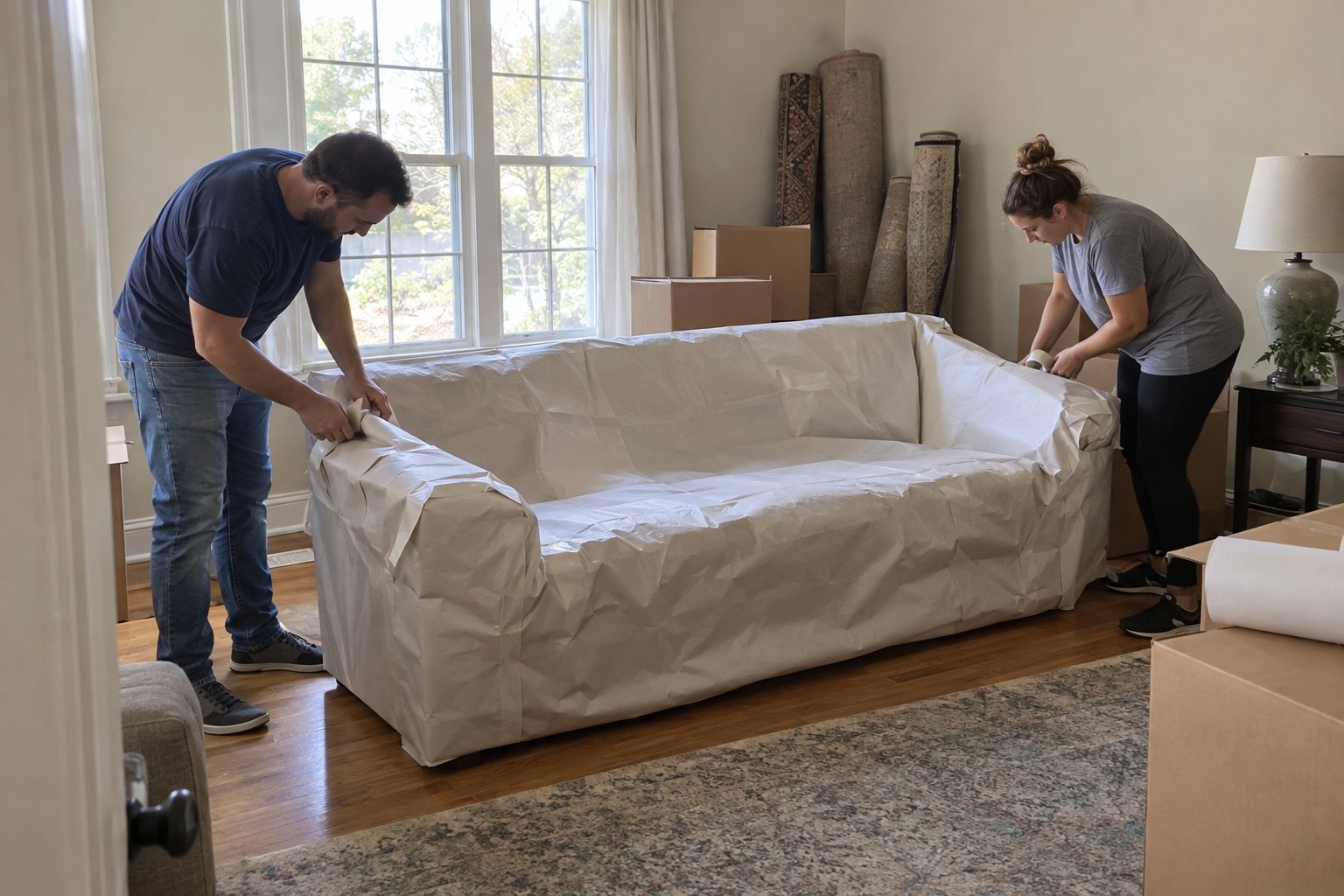
A moving day timeline breaks the day into blocks, from final prep the night before through the last walkthrough of your old place, so you know what should be happening at any given hour instead of scrambling to figure it out as boxes pile up. Most local moves follow a similar rhythm: a short prep window, a loading window that takes up the bulk of the morning, a transit and unloading window, and a settling-in period once everything is inside the new place. Knowing roughly how long each block takes lets you set a realistic start time and avoid the two most common moving day problems: starting too late and running out of daylight, or having a crew arrive before you're actually ready for them.
The night before is for finishing packing, charging devices, and setting aside the items you'll need first thing in the morning. Treat it as the last checkpoint where you can still fix a problem without losing time on moving day itself.
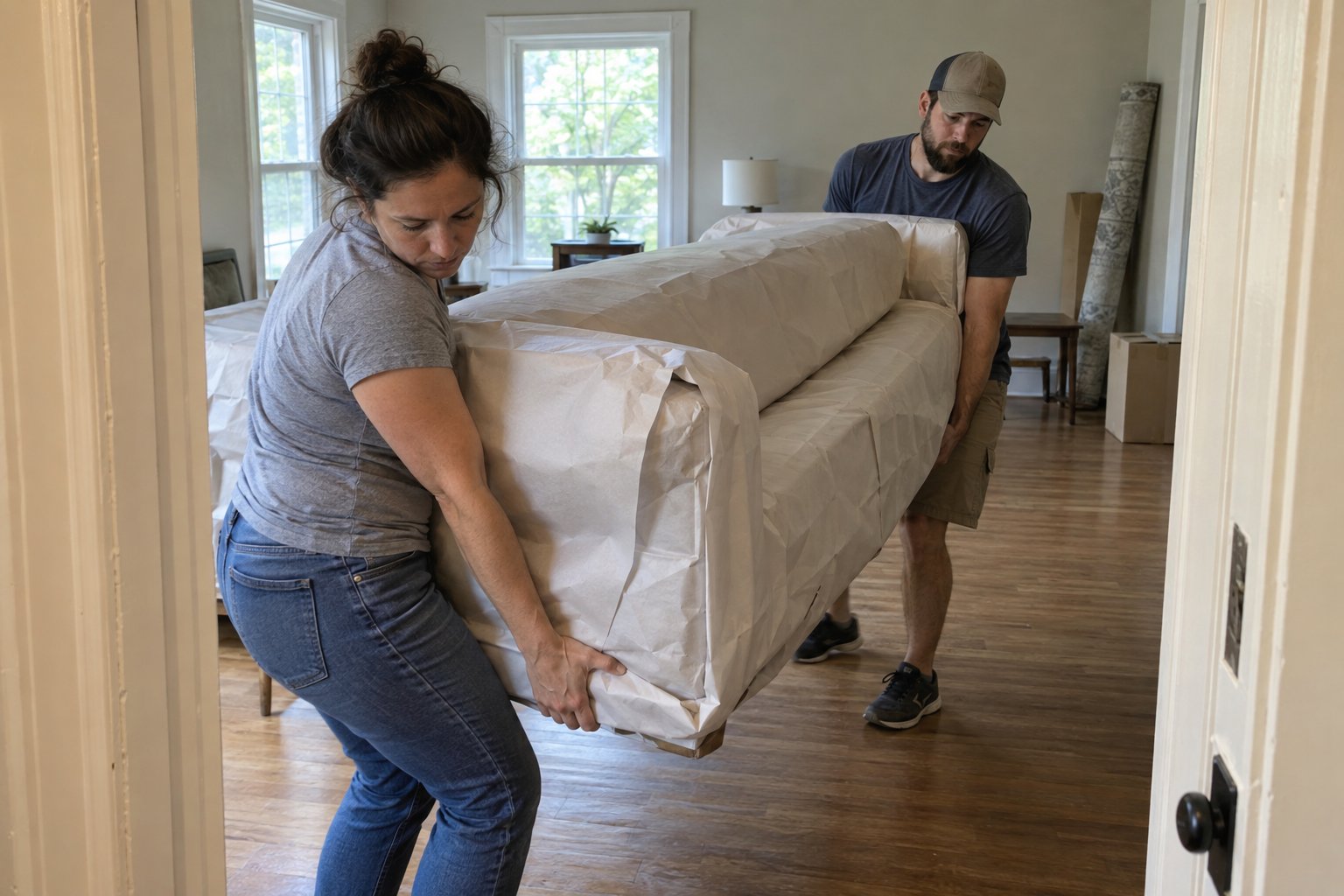
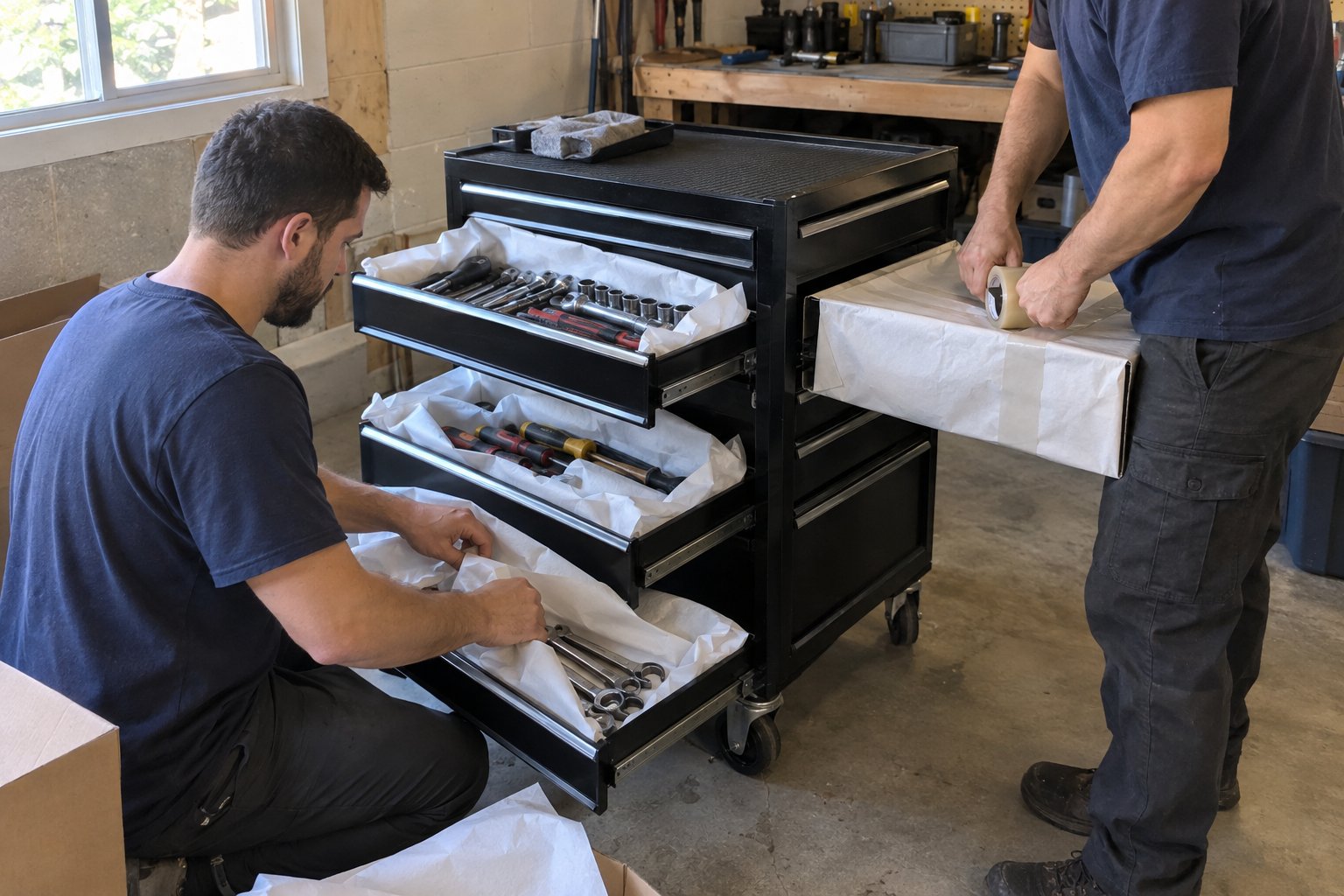
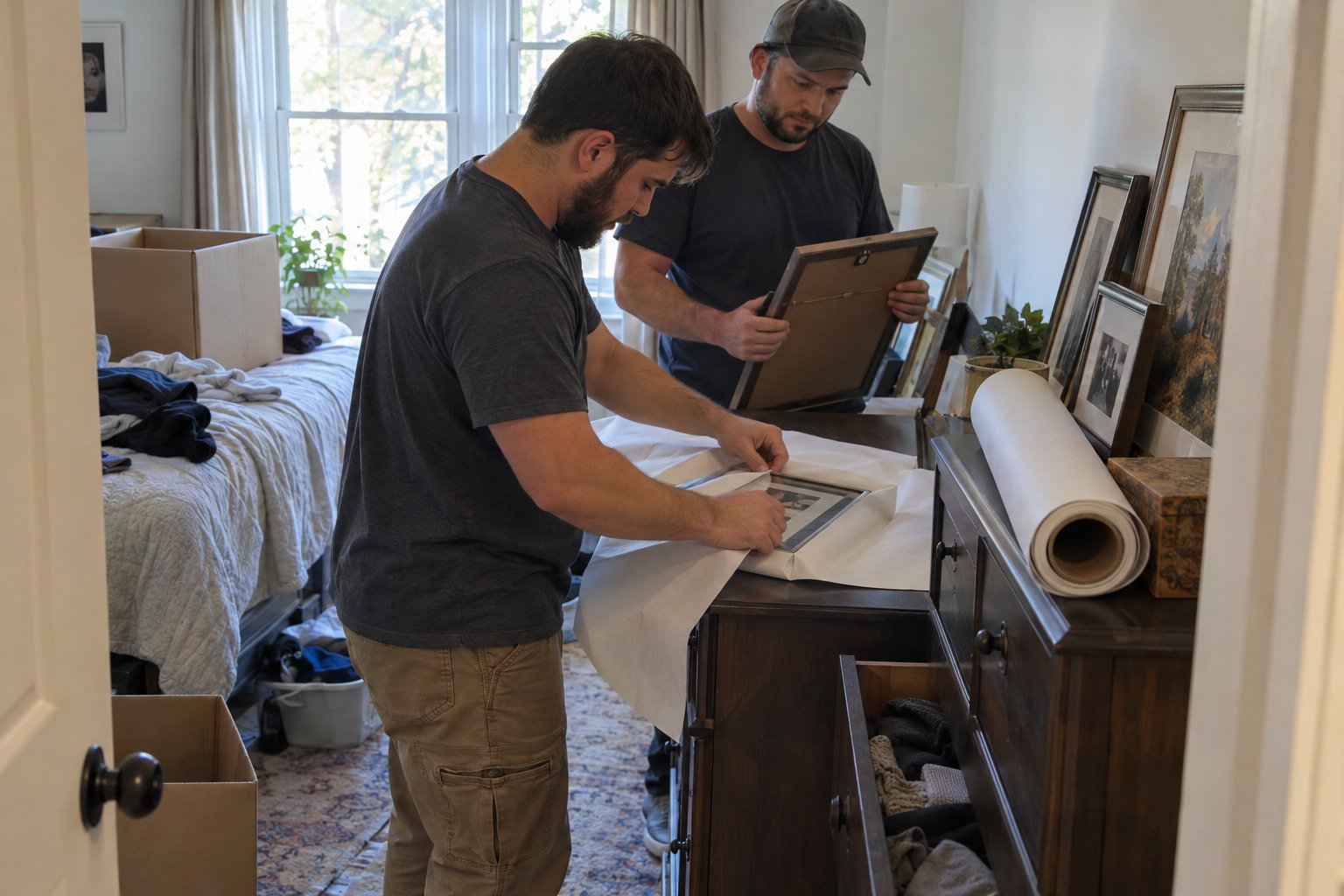
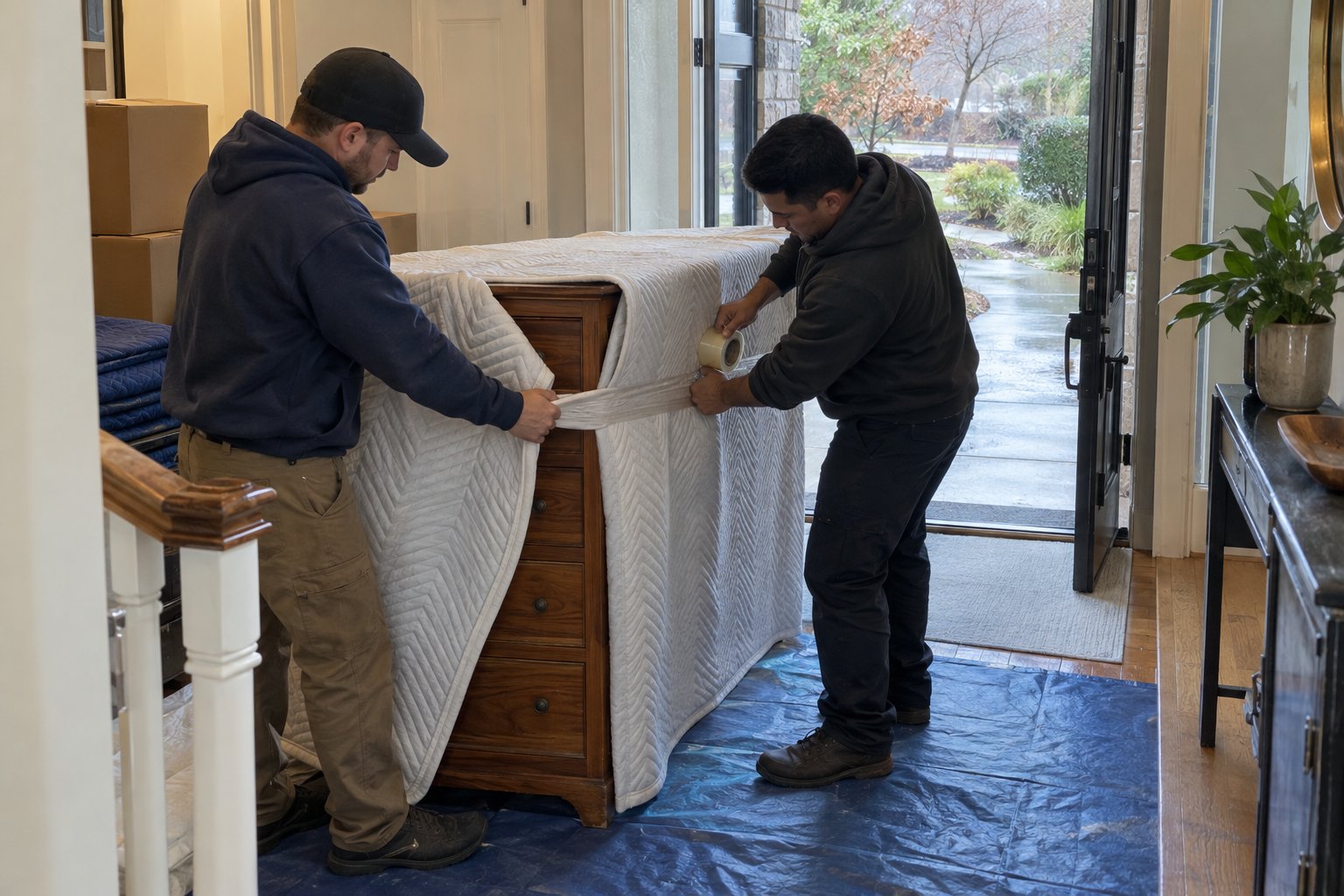
A typical local move runs in four blocks: prep, loading, transit, and unloading. As a rule of thumb, allow about an hour of final prep before loading starts, and roughly a day for loading, driving, and unloading a average-sized home, more for larger homes or longer distances.
Skipping or rushing any one of these blocks tends to cause the most common moving day headaches. Prep time that gets cut short means loading starts with people still deciding what goes where, which slows everything behind it. A loading window that runs long without a buffer pushes transit and unloading into the evening, when everyone is tired and more likely to misplace something or rush a heavy lift.
Building in a little slack between blocks, rather than scheduling back to back, gives you room to handle the inevitable surprise: a elevator reservation that runs late, a box that needs re-taping, or a parking spot that isn't available when you expected it.
Before anyone starts carrying boxes, do a final sweep of the home and confirm the basics are handled. This is the last chance to catch something before it becomes a problem mid-move.
A final walkthrough means checking every room, closet, cabinet, and the garage one last time before you hand over keys or leave for good. It should happen right before you lock up, after the truck is loaded, not as an afterthought days later.
If you're forwarding mail or updating your address as part of the move, submitting a change of address with USPS ahead of time means one less thing to think about during the walkthrough itself.
The first few hours in a new home go more smoothly when you focus on function over organization. Get beds assembled, essential boxes unpacked, and the kitchen functional enough for a simple meal before worrying about where every decorative item goes.
If your new home in Auburn, AL or Opelika, AL has stairs, a narrow driveway, or tight parking, it helps to flag that to your crew before moving day rather than figuring it out as the truck pulls up. A quick conversation about your apartment movers or residential crew's plan for navigating those spots saves time once loading begins.
Every move is different, so treat these blocks as a starting framework rather than a fixed schedule. A smaller apartment move might compress the loading window considerably, while a larger home or a move involving a long drive needs more buffer between blocks. Write your own version out the week before, matched to your actual rooms and distance, so moving day itself is just a matter of following the plan rather than making it up as you go. If you're still deciding whether to handle the move yourself or bring in help, our guide on DIY moving versus hiring local movers walks through how to weigh that decision before you lock in a date.
Planning your move? Request a quote from Wise Guys Moving.
Most people sketch out their timeline about a week before the move, once packing is mostly done and they have a realistic sense of how many boxes and how much furniture they're dealing with. Building it too early means guessing; building it the night before leaves no room to adjust.
Walk the crew through anything unusual before lifting starts: fragile or awkward items, furniture that needs to be taken apart, stairs or tight turns, and which boxes are going where. A few minutes of orientation up front prevents mistakes once loading is underway.
Start with beds, bathroom essentials, and anything needed for a simple meal. Getting those set up first means the household is functional even if most boxes are still sealed.
Set up a safe, contained space for kids or pets away from the loading path, ideally with a familiar toy or blanket, and check on them between blocks rather than during active lifting. Some people arrange for a friend or family member to watch them off-site for the busiest hours.
Check every closet, cabinet, the garage, and any attic or outdoor storage, confirm windows are locked, and take photos of the empty space if you're renting. This should happen right after the truck is loaded, not days later.