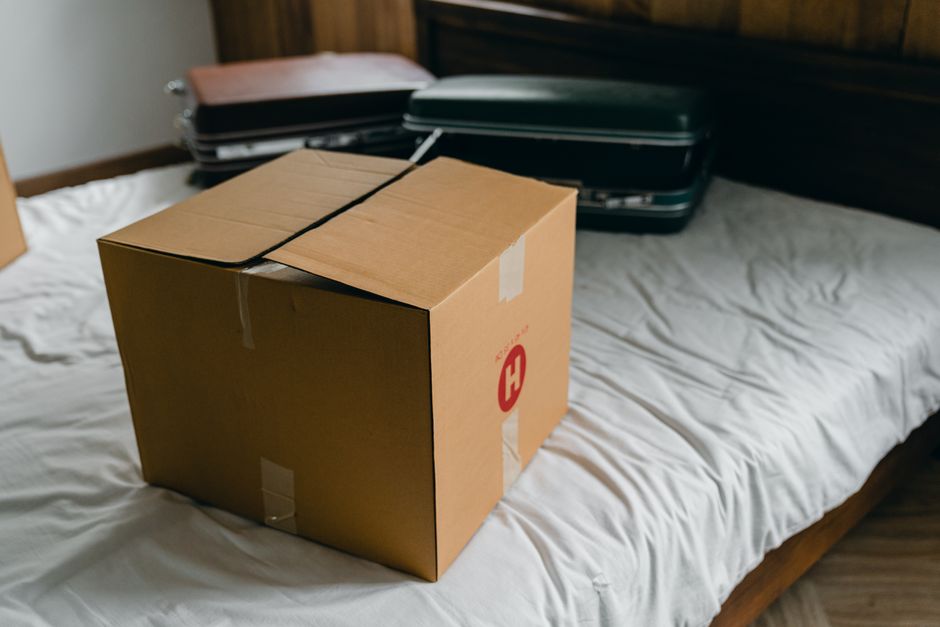
When homeowners work through their room-by-room moving plan, the master bedroom almost always gets underestimated — but knowing how to pack and move a master bedroom the right way can save you from a disassembled bed frame missing bolts, a cracked mirror on an antique dresser, jewelry tangled beyond recovery, and a chaotic first night in your new home with nowhere to sleep. The master bedroom is deceptively demanding: it combines the heaviest furniture in the house, the most personal valuables, an overwhelming volume of clothing and textiles, and the one set of items you will desperately need to locate the moment the moving truck is empty.
Whether you are relocating across Auburn or moving to an entirely new city, this guide walks you through every step of packing and moving your master bedroom safely and efficiently. When you are ready to leave the hard work to the professionals, call Wise Guys Moving at (334) 610-1593 or get a free moving quote today.
The master bedroom presents a category of moving challenges that are entirely different from any other space in the home. Unlike the living room — where the primary concern is bulky sofas and entertainment centers — or the kitchen — where appliances and dishware dominate the risk profile — the master bedroom combines the single heaviest furniture pieces in the house, deeply personal valuables, an enormous volume of soft goods, and items that carry both financial and sentimental value that cannot be replaced if lost or damaged.
Think about what a typical master bedroom actually contains: a king or queen bed with a platform or rail frame, a headboard that may be wall-mounted or bolt-attached, a box spring or adjustable base, a pillow-top mattress, two nightstands loaded with chargers and personal items, a large dresser with an attached or separate mirror, a chest of drawers, an armoire or wardrobe, a bench at the foot of the bed, a full walk-in closet packed with clothing organized by season, a jewelry armoire or jewelry box, a TV mounted on the wall or perched on a dresser, blackout curtains on a hardware rod, an area rug layered over carpet or hardwood, a ceiling fan with a remote, bedside lamps, artwork, personal photographs, and — in many cases — a small safe or lockbox tucked somewhere discreet. Each of these categories carries its own specific risk. A king bed frame disassembled without photographing the bolt layout becomes an infuriating puzzle at the destination. A dresser mirror removed without padding at its corners will arrive with a crack running diagonally through the glass. Jewelry tossed loosely into a moving box may never fully untangle again.
Plan to dedicate at minimum half a day to the master bedroom alone — and if your walk-in closet is fully loaded with years of accumulated clothing, shoes, and accessories, allow a full day to do it properly.
Before you pull a single bolt from the bed frame or empty a single drawer in the dresser, the most valuable thing you can do is take complete stock of everything in the master bedroom and make clear, honest decisions about what is worth transporting to your new home.
Master bedrooms accumulate items faster than almost any room in the house. Open every nightstand drawer, pull every item from the walk-in closet, check beneath the bed, and empty every shelf in the armoire before you pack a single box. Sort the room's contents into four categories: items you will keep and move, items you will donate, items you will discard, and items that belong elsewhere in the new home. Clothing you have not worn in over a year, duplicate linens you are holding onto "just in case," expired medications kept in the nightstand, and single earrings missing their pair are all strong candidates for the discard or donation pile. Moving fewer items always costs less and results in a more organized destination bedroom.
Walk through the entire master bedroom with your phone and photograph every piece of furniture from multiple angles before you move or disassemble anything. Pay particular attention to the bed frame hardware layout, the way the mirror attaches to the dresser, how the TV mount is anchored to the wall, and how the curtain rod brackets are positioned. These reference photos will save you hours of guesswork on the other end of the move and prevent reassembly mistakes that could damage furniture or create safety issues.
The walk-in or reach-in closet is almost always the single most time-consuming element of packing a master bedroom. Experienced movers recommend clearing the closet first, before any furniture is disassembled, so that you have a clear sense of the true volume of what needs to be packed and can make realistic decisions about donation versus transport without the pressure of an already-disassembled room around you.
Wardrobe boxes — tall cardboard boxes fitted with a hanging rod — are the single best investment you can make for a master bedroom move. They allow hanging clothes to transfer directly from the closet rod to the box without folding, creasing, or bagging, and they arrive at the destination ready to hang directly in the new closet. Group garments by category — work clothes together, casual clothes together, formal wear together — and seal each wardrobe box clearly with its destination closet zone labeled on the outside.
Shoes should be wrapped in pairs using packing paper or placed in their original boxes where available, then loaded into medium boxes with heavier shoes on the bottom. Avoid overfilling shoe boxes — shoes are heavier than they look in bulk. Folded clothing can go directly into medium moving boxes. Packing clothing tightly but without compression protects it from wrinkling and maximizes box efficiency. Handbags should be stuffed lightly with tissue paper to maintain their shape and wrapped individually before being placed in boxes.
Jewelry is one of the most commonly lost or damaged categories during any household move. Small pieces disappear into packing paper, chains tangle irretrievably inside boxes, and earrings drop into box crevices and are gone. The safest approach is to transport all jewelry personally — in a dedicated jewelry case or roll that travels in your personal vehicle rather than on the moving truck. If the jewelry armoire must be moved on the truck, empty every tray and drawer completely before it is loaded, and transport the contents separately in a bag or case you keep in your possession throughout the move.
Once the closet is cleared and packed, turn your attention to the case goods — the dresser, chest of drawers, nightstands, and any other freestanding storage pieces in the room.
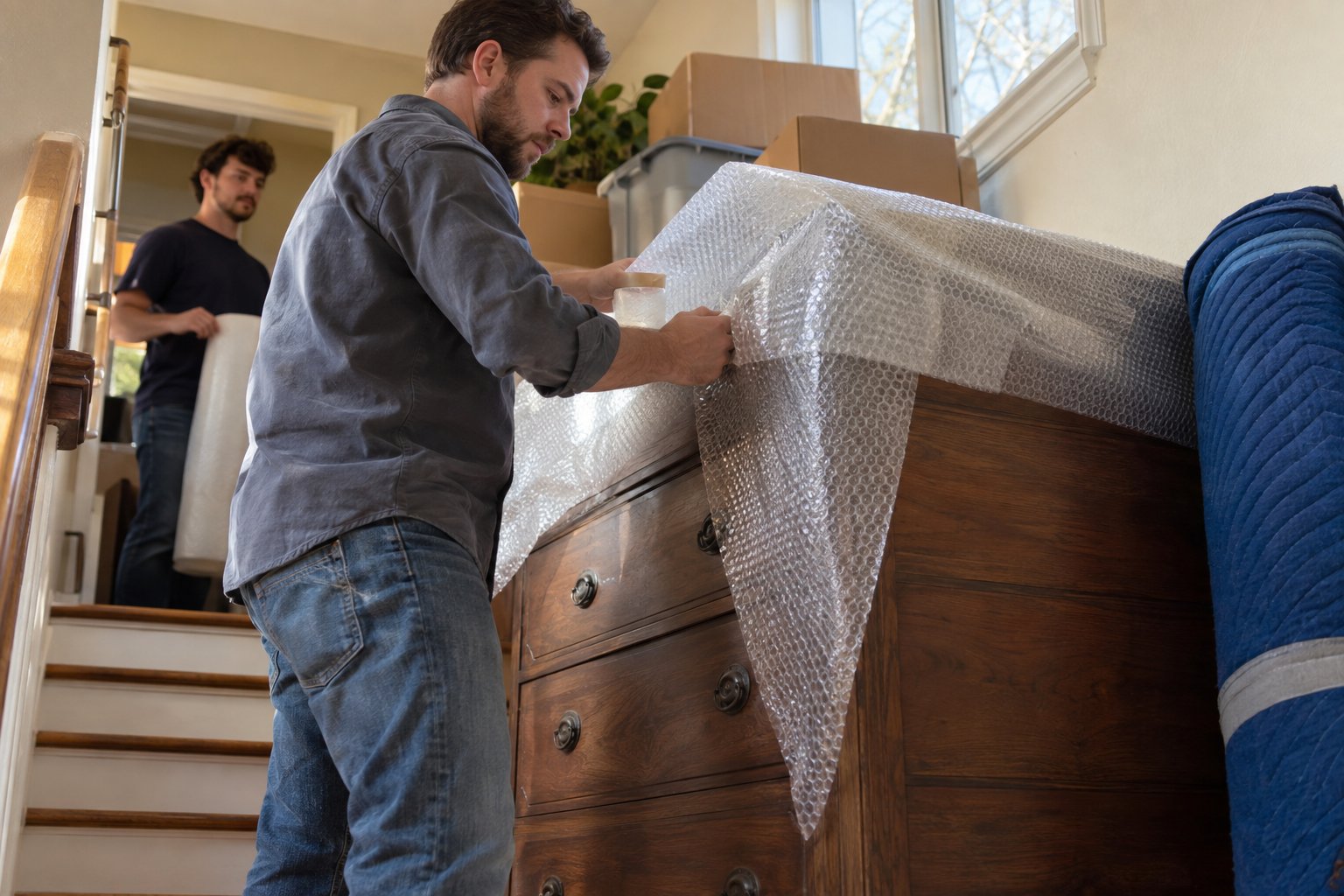
For local moves over short distances, dresser drawers can sometimes remain loaded with soft goods like t-shirts or pajamas, provided the dresser is light enough for movers to handle safely. For longer moves, or if the dresser contains heavier items like jeans, sweaters, or hard goods, empty the drawers completely and pack their contents separately. Always remove the mirror from the dresser before loading it onto the truck. Lay the mirror flat between moving blankets, tape an X pattern across the glass surface with painter's tape to help contain any breakage, and transport it vertically in the truck rather than horizontally flat, which creates the risk of pressure cracking.
Clear every nightstand drawer and surface completely. Charging cables, reading glasses, medications, books, and small electronics should each be packed in labeled bags or small boxes. If the nightstand has a glass top or shelf, remove and wrap it separately before loading the piece.
The bed is the most logistically complex piece of furniture in the master bedroom, and how well it is disassembled and protected will determine whether your first night at the new home ends in a good night's sleep or frustrated hours of reassembly with missing hardware.
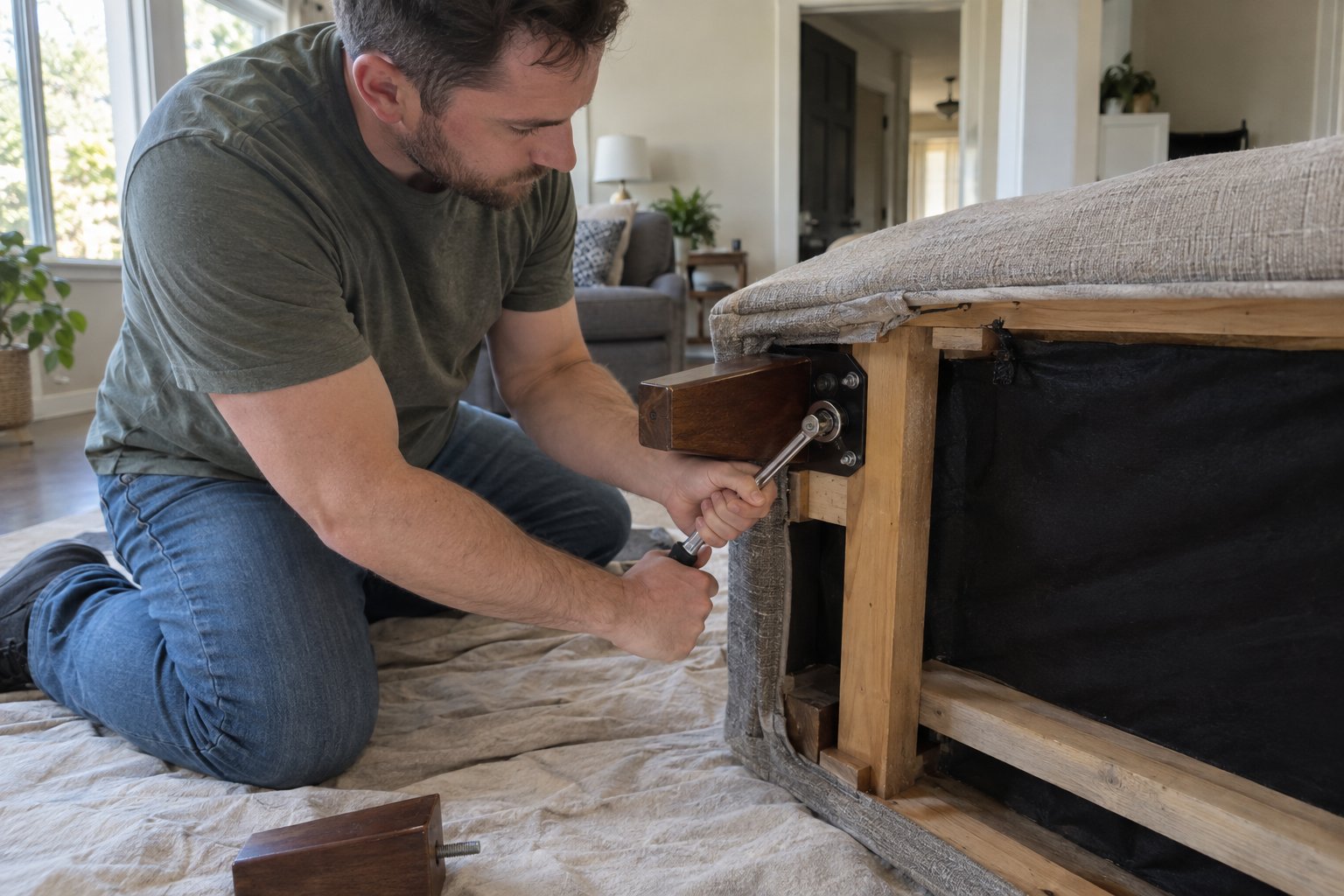
Strip all bedding — sheets, duvet, pillows, mattress protector — and pack them in large bags or boxes labeled "Open First" so they are immediately accessible at the destination. Remove the headboard before separating the side rails from the footboard. Place all bolts, screws, and small hardware into a zip-lock bag, tape that bag to one of the side rails, and photograph the bag next to the disassembled frame for reference. Wrap the headboard and footboard in moving blankets and secure them with stretch wrap or moving straps.
A king or queen mattress is one of the most expensive items in the home to replace if it is soiled or damaged during a move. Invest in a purpose-made mattress bag — a heavy plastic sleeve sized to your mattress — before moving day. These bags protect against moisture, scuffs, and staining during loading, transit, and unloading. Never fold or bend a mattress during a move unless the manufacturer explicitly states it is a foldable design. Transport mattresses flat or standing on their side edge secured against the truck wall.
The master bedroom almost always has a collection of wall-mounted items that require their own removal and packing process before furniture can be moved safely out of the room.
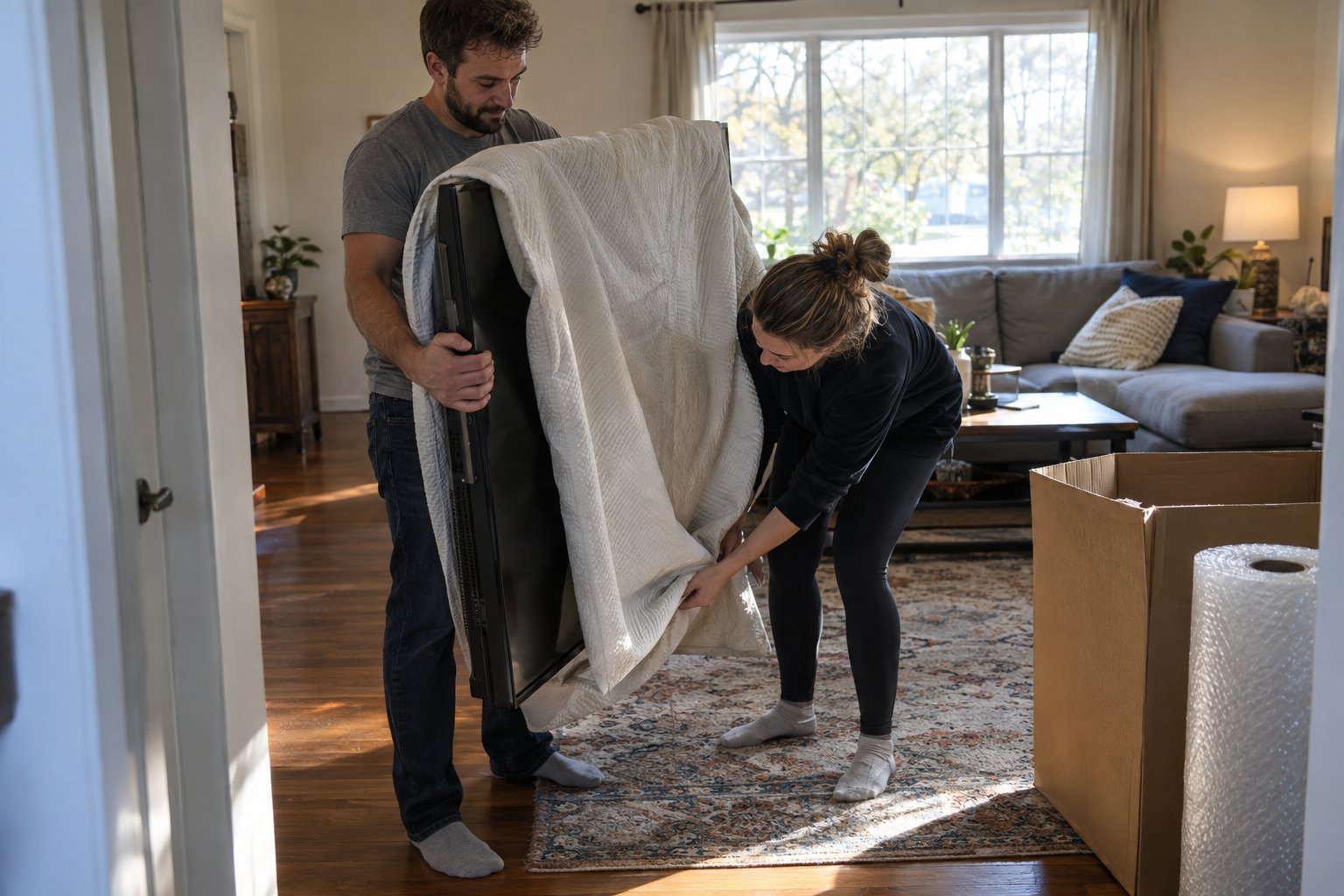
A wall-mounted TV should be unmounted before moving day rather than on the day itself to avoid rushed disassembly. Retain the original packaging if available — it is the best protection for a flat-screen TV in transit. If original packaging is unavailable, wrap the screen in a moving blanket, place it in a tall wardrobe box or a purpose-made TV box, and transport it standing vertically, never laid flat. Large framed mirrors and artwork should each be wrapped individually in packing paper, corner-protected with cardboard, and transported in mirror or picture boxes standing vertically.
Remove curtains and drapes from their rods and fold them loosely before placing them in a labeled box or bag. Document how the curtain rod brackets were mounted if you plan to reinstall them in the new home. Roll area rugs tightly, secure with moving straps or rope, and transport them rolled rather than folded to prevent permanent crease damage. Before leaving the room for the last time, check inside every closet, under the bed, behind every door, and inside every drawer to confirm nothing has been left behind.
One of the most impactful things you can do for your first night in the new home is to designate a clearly labeled "Open First" box for the master bedroom and pack it last so it is the first box unloaded. This box should contain a complete set of bed sheets and pillowcases, your pillow, a bath towel, a phone charger, any nightly medications, a change of clothes for the next morning, and any small personal items you reach for habitually before bed. Having this box immediately accessible transforms the first night from a search operation into a manageable evening.
Moving a master bedroom well is a project that rewards careful planning and honest effort — and it sets the tone for how settled and functional your new home feels from day one. When you are ready to let professionals handle the heavy lifting, the furniture protection, and the logistics so you can focus on your family, get a free moving quote from Wise Guys Moving or call us directly at (334) 610-1593. We serve Auburn, Opelika, and the surrounding communities with the care and reliability your home deserves.
Most professional movers recommend beginning the master bedroom at least one week before moving day. Start with items you use infrequently — off-season clothing, extra bedding, decorative items, and artwork — and work your way toward daily-use items in the final 24 to 48 hours. The bed itself is typically the last thing disassembled on moving day morning and the first thing reassembled at the destination.
For short local moves, dressers can sometimes be moved with soft goods like t-shirts or pajamas still inside the drawers, provided the piece is light enough for movers to handle safely without strain or risk of tipping. For longer moves, heavier contents like jeans and sweaters, or dressers with attached mirrors, it is best practice to empty all drawers completely and pack the contents separately in labeled boxes.
The safest approach is to keep all jewelry in your personal possession rather than loading it onto the moving truck. Use a dedicated jewelry travel case or roll, keep it in your personal vehicle, and carry it with you throughout the move. If a jewelry armoire must travel on the truck, fully empty every tray and drawer before loading and transport the jewelry contents separately in a bag or case you control personally.
Use a purpose-made mattress bag — a heavy-duty plastic sleeve sized specifically to your mattress — to protect against moisture, scuffs, and staining during loading, transit, and unloading. Transport the mattress either lying flat or standing on its side edge secured against the truck wall. Never fold or bend a mattress unless the manufacturer explicitly confirms it is designed to flex.
The master bedroom typically contains the heaviest furniture in the home — king or queen bed frames, large dressers, armoires — as well as the highest concentration of personal valuables. Professional movers bring the equipment, padding, and experience to protect both the furniture and your floors, walls, and doorframes during the move. For a room with this much financial and sentimental value concentrated in one space, professional assistance is strongly worth considering.

Most professional movers recommend beginning the master bedroom at least one week before moving day. Start with items you use infrequently — off-season clothing, extra bedding, decorative items, and artwork — and work your way toward daily-use items in the final 24 to 48 hours. The bed itself is typically the last thing disassembled on moving day morning and the first thing reassembled at the destination.
For short local moves, dressers can sometimes be moved with soft goods like t-shirts or pajamas still inside the drawers, provided the piece is light enough for movers to handle safely without strain or risk of tipping. For longer moves, heavier contents like jeans and sweaters, or dressers with attached mirrors, it is best practice to empty all drawers completely and pack the contents separately in labeled boxes.
The safest approach is to keep all jewelry in your personal possession rather than loading it onto the moving truck. Use a dedicated jewelry travel case or roll, keep it in your personal vehicle, and carry it with you throughout the move. If a jewelry armoire must travel on the truck, fully empty every tray and drawer before loading and transport the jewelry contents separately in a bag or case you control personally.
Use a purpose-made mattress bag — a heavy-duty plastic sleeve sized specifically to your mattress — to protect against moisture, scuffs, and staining during loading, transit, and unloading. Transport the mattress either lying flat or standing on its side edge secured against the truck wall. Never fold or bend a mattress unless the manufacturer explicitly confirms it is designed to flex.
The master bedroom typically contains the heaviest furniture in the home — king or queen bed frames, large dressers, armoires — as well as the highest concentration of personal valuables. Professional movers bring the equipment, padding, and experience to protect both the furniture and your floors, walls, and doorframes during the move. For a room with this much financial and sentimental value concentrated in one space, professional assistance is strongly worth considering.