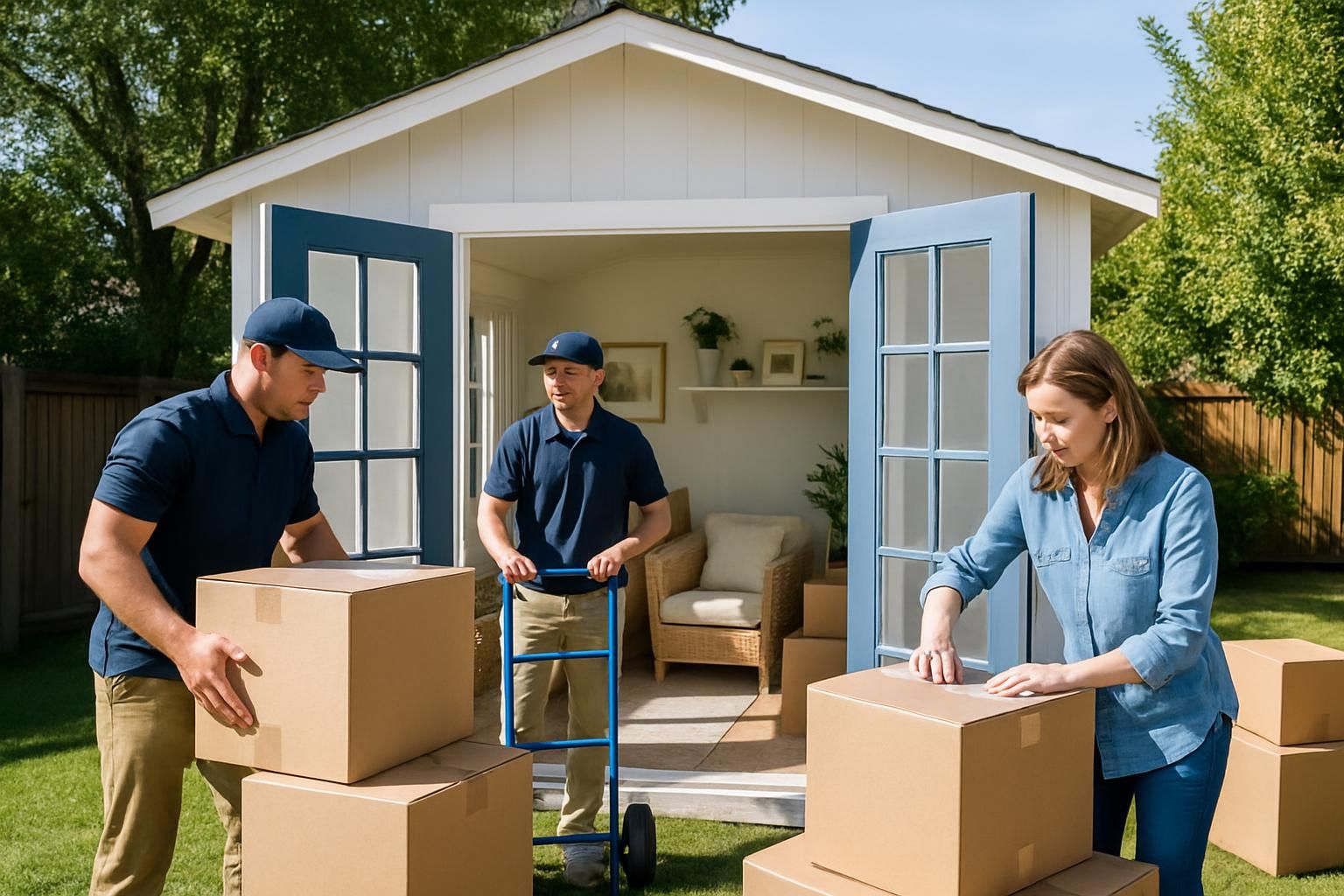
When homeowners work through their room-by-room moving plan, the she shed almost always gets treated as an afterthought — but knowing how to pack and move a she shed the right way can save you from a shattered decorative mirror, a sewing machine that arrives with a broken needle plate, planters that crack in the truck, and a personal retreat that takes weeks to reassemble because nothing was catalogued, wrapped, or packed with any logical order. The she shed is deceptively demanding: it combines furniture and décor chosen for personality rather than practicality, delicate craft and hobby supplies that scatter at the first bump, potted plants and garden accessories that require special handling, and sentimental pieces — artwork, handmade items, vintage finds — that simply cannot be replaced if they are damaged in transit.
Whether you are relocating across Auburn or moving to an entirely new city, this guide walks you through every step of packing and moving your she shed safely and efficiently. When you are ready to leave the hard work to the professionals, call Wise Guys Moving at (334) 610-1593 or get a free moving quote today.
The she shed presents a category of moving challenges that is entirely different from any other space on your property. Unlike the garage — where the primary concern is heavy equipment, vehicles, and hazardous materials — or the mudroom — where bulk outerwear and sturdy storage furniture dominate the risk profile — the she shed combines lightweight but fragile decorative pieces, hobby-specific equipment that must be disassembled and padded individually, living plants that are sensitive to temperature swings and vibration, and a layered aesthetic built up over years that can be destroyed in minutes if packed without care.
Think about what a typical she shed actually contains: a comfortable reading chair or loveseat with throw pillows and a side table; a desk or craft table covered with supplies like fabric, ribbon, yarn, paint, and adhesives; a sewing machine, embroidery hoop, or cutting mat; shelving units loaded with mason jars, art supplies, and decorative objects; string lights, lanterns, or vintage lamps strung from the ceiling or wrapped around beams; framed art, hand-lettered signs, and gallery wall arrangements; potted succulents, herb containers, or flowering plants; a small rug or vintage carpet; and in many cases a mini-fridge, kettle, or small appliance that makes the space feel like a true personal sanctuary. Each of these categories carries its own specific risk in transit. Sewing machines have precision-calibrated internal mechanisms that can be thrown off by vibration. Plants wilt or die if they overheat in a sealed truck. Decorative string lights tangle instantly and break just as fast. Framed art and mirrors crack under even moderate pressure if not wrapped correctly.
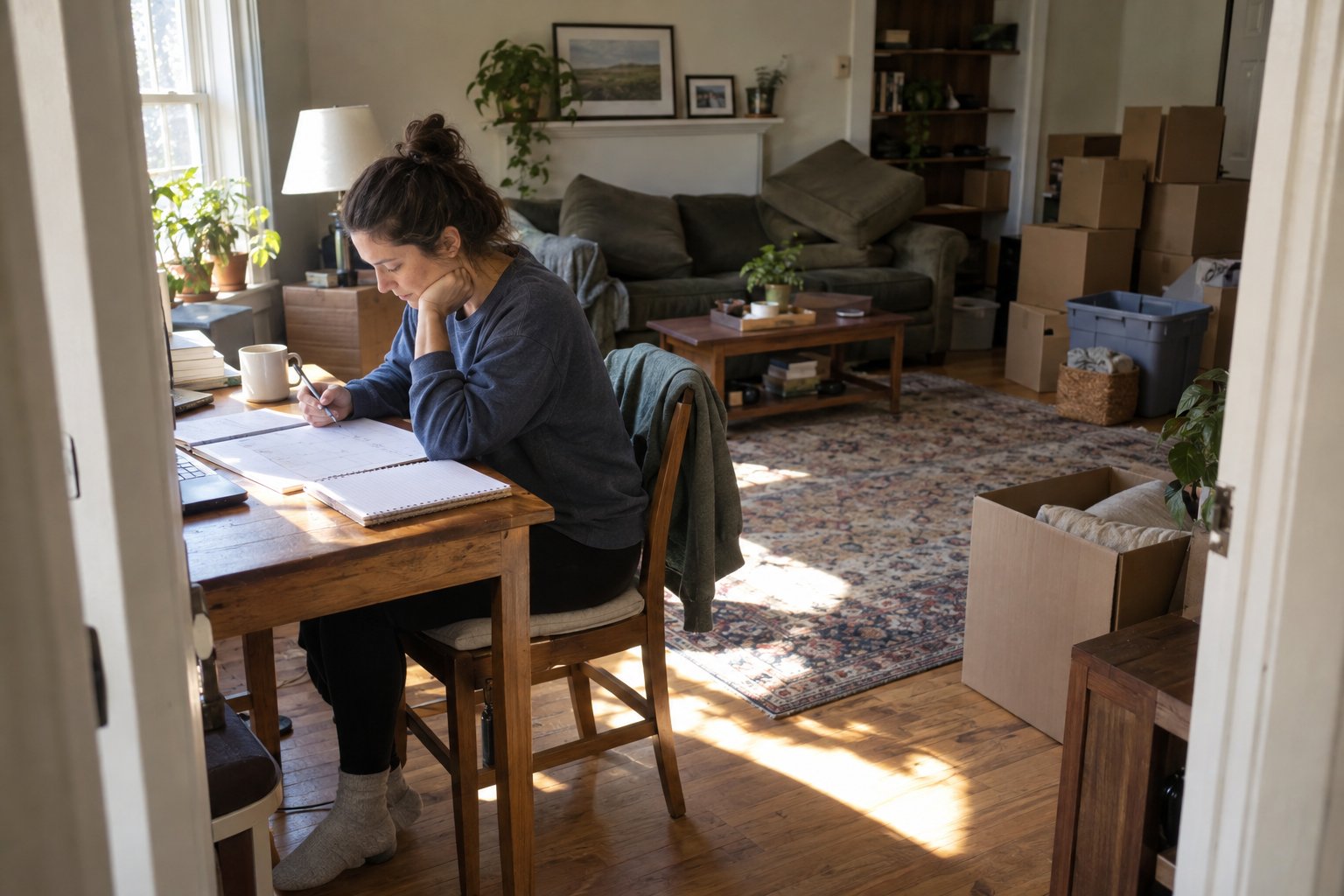
Plan to dedicate significantly more time to the she shed than you might expect. Even a small, simply furnished shed can take three to four hours to sort, wrap, and pack correctly. If your space doubles as a craft studio, a painting room, or a full hobby workshop with specialty equipment, begin the sorting and pre-staging process at least three days before moving day.
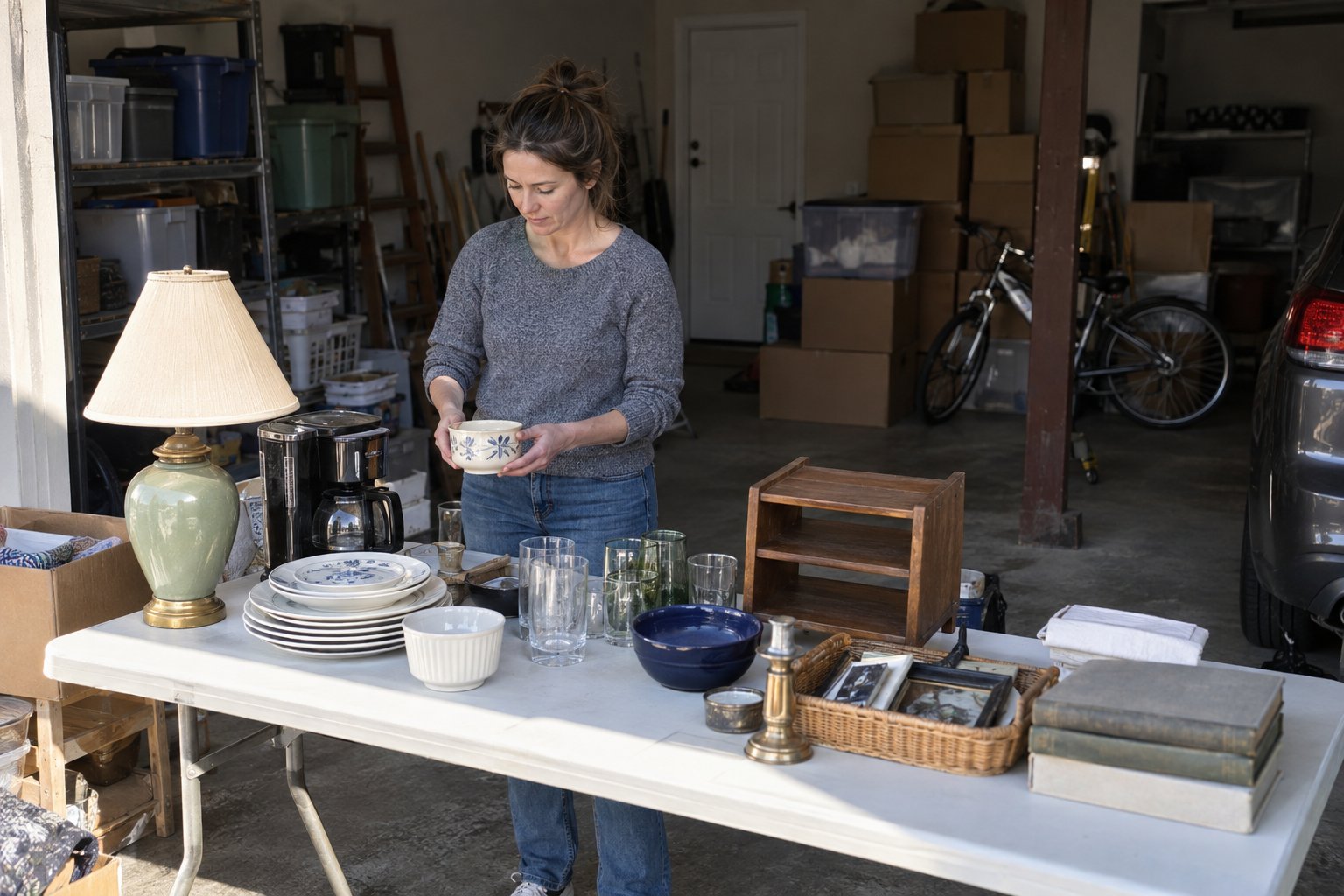
Before you pull out a single moving box or roll of packing tape, walk through your she shed with a clear and honest assessment of what genuinely deserves space on the moving truck and what can be donated, sold, composted, or discarded before you go.
Craft and hobby supplies accumulate faster than almost any other category of household goods. Half-used paint tubes, fabric scraps too small to use, dried-out adhesives, and broken tools all take up space, add weight, and cost money to transport. Before packing a single jar or spool, sort your supplies into three piles: actively used, possibly useful, and definitively done. Anything in that third pile leaves the shed before moving day. Donate usable supplies to a local school, community center, or art program. Dispose of anything that is dried out, broken, or genuinely past its useful life.
Soft furniture — upholstered chairs, ottomans, small sofas — should be assessed for condition before you commit to moving it. A worn reading chair that was charming in your current she shed may not be worth the cost and effort of transporting it. The same logic applies to rugs, which can be difficult and expensive to clean after a move. If a piece of furniture has seen better days, research whether a local buyer, donation center, or curbside pickup is a more practical option than loading it onto the truck.
Plants are among the most complicated items to relocate. Many moving companies — including long-distance carriers — have restrictions on transporting live plants across state lines due to agricultural regulations. Even for local moves, extreme heat inside a moving truck can kill plants within an hour. Decide early which plants are worth the extra effort of hand-transporting in your personal vehicle, which can be given to neighbors or friends, and which are best left behind or replanted before the move.
The she shed requires a wider variety of packing materials than most rooms because the contents range from soft textiles to fragile glass to precision hobby equipment. Gather everything before you start, so you are not improvising on moving day.
The most effective approach to packing a she shed is to treat it like a series of distinct micro-zones rather than one undifferentiated space. Work through each category methodically, finishing one zone before moving to the next.
Start with the supplies you use least frequently — archived fabric, extra stock, reference books — and work forward toward the items you use daily. Pack heavy items like paint jars, resin bottles, and bead collections in small boxes so the weight stays manageable. Seal any liquid containers with a secondary layer of plastic wrap under the lid before packing them upright in a box lined with plastic sheeting in case of leaks. Group supplies by type — all sewing notions together, all paint supplies together, all paper goods together — so unpacking in your new space is logical rather than chaotic. Label every box with its contents on at least two sides.
The sewing machine is likely the most expensive single item in your she shed and the one most vulnerable to damage in transit. If you have the original box and foam inserts, use them without modification. If not, place the machine in a medium box lined with at least two inches of foam or crumpled packing paper on all sides. Lock or tape the presser foot in the raised position. Remove any detachable accessories — the presser foot itself, bobbins, extension tables — and pack them separately in a labeled zip-lock bag placed inside the same box. For electronic cutting machines, computerized embroidery machines, or heat presses, follow the same protocol: original box first, padded custom box second, no improvised wrapping with just soft materials.
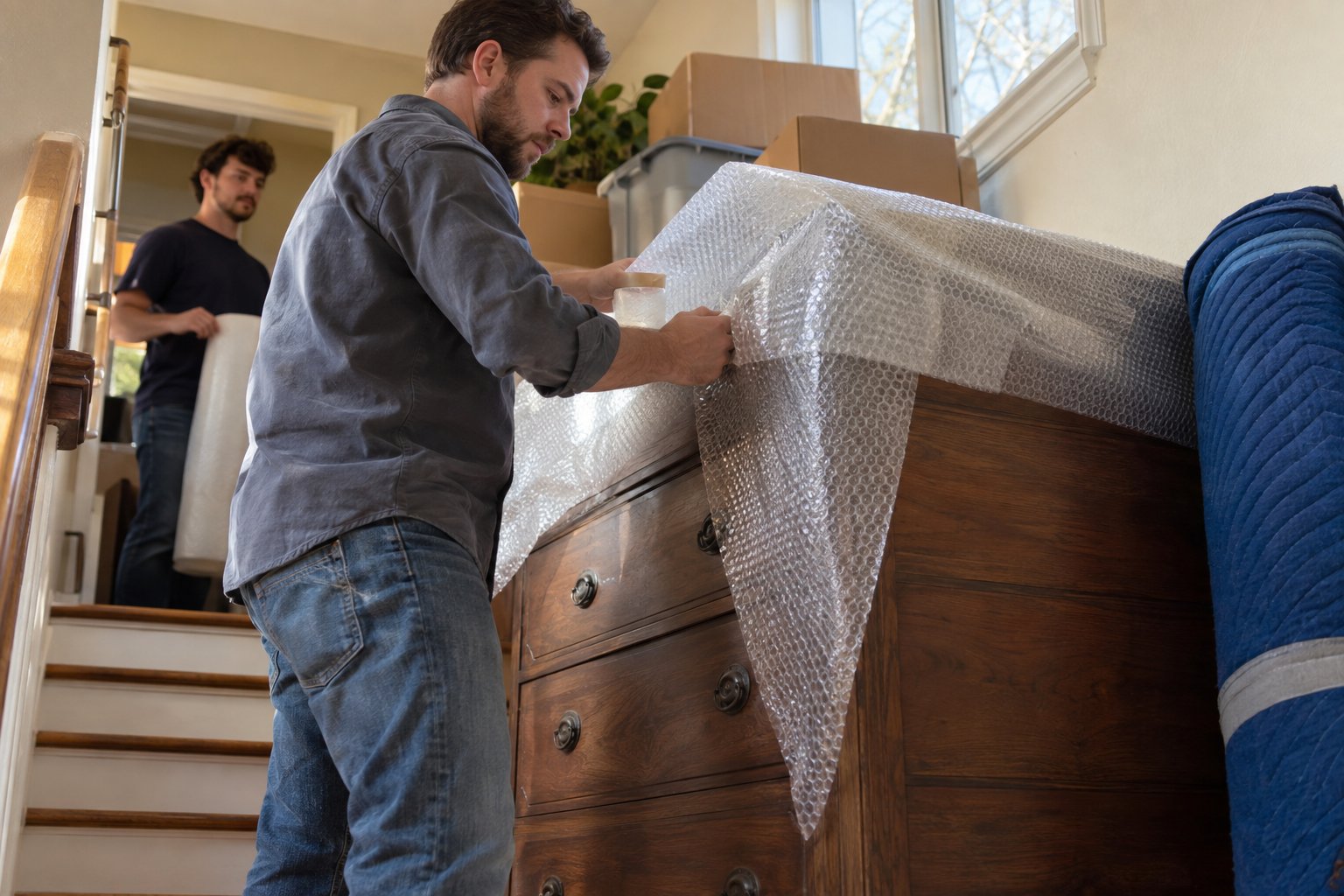
Every framed piece — canvas art, prints, hand-lettered signs, mirrors — must be wrapped individually. Start with a layer of packing paper, then a layer of bubble wrap secured with tape. For mirrors and glass-front frames, apply a large X of painter's tape across the glass before wrapping; this will not prevent a crack from a direct impact, but it will hold shattered glass in place and prevent secondary damage to everything around it. Pack framed items vertically in boxes — never flat — with a layer of cardboard between each piece. Fill any remaining gaps in the box with crumpled paper so nothing shifts during transit.
String lights are one of the most frustrating items to move because they tangle in seconds and the tiny bulbs break under almost any pressure. The best approach is to wind each strand loosely around a piece of cardboard cut to a manageable size, then place the wound strand in a zip-lock bag before packing it in a box with soft padding. Never coil string lights tightly or pack them loose in a box with heavier items. For freestanding lamps, remove the shade and pack it separately using packing paper and a box that fits snugly. Wrap the base with packing paper and bubble wrap, and pack it upright in a clearly labeled box.
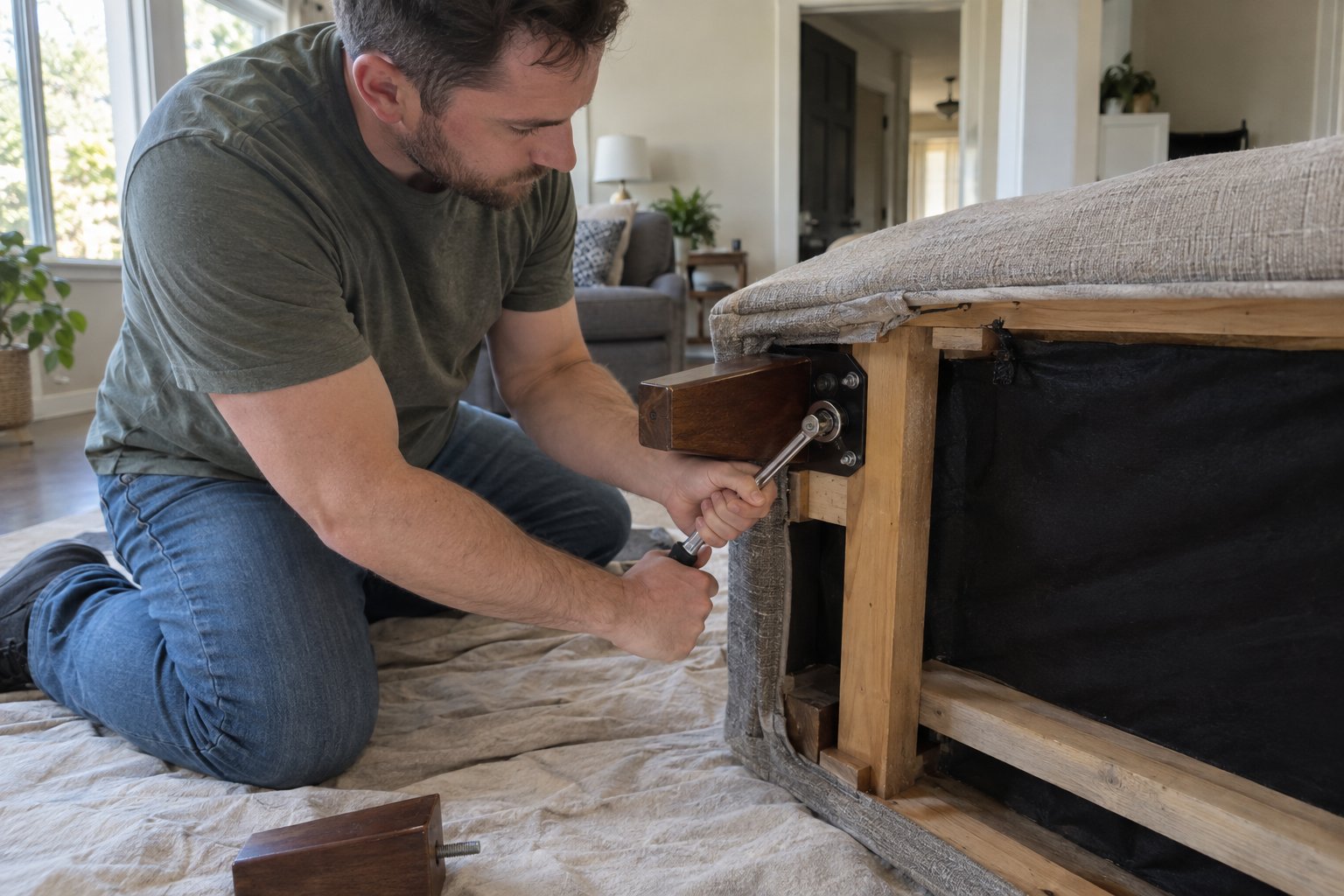
Remove all cushions and pillows from upholstered furniture and wrap them in stretch wrap or place them in large bags or wardrobe boxes to keep them clean. If your reading chair or loveseat has removable legs, take them off, wrap them individually, and tape them to the underside of the furniture or pack them in a labeled bag. Fold or roll any rugs tightly, secure with rope or zip ties, and carry them flat in the truck rather than standing them upright. Wipe down all furniture surfaces with a dry cloth before wrapping to avoid trapping moisture against the finish.
Any plants you have decided to move deserve their own logistics approach — separate from the main moving truck load if at all possible. The safest method for local moves is to transport plants in your personal vehicle with the air conditioning running. Place them in open boxes or crates so they cannot tip, and avoid stacking anything on top of them. Water plants thoroughly one to two days before the move — not the morning of — so the soil is moist but not waterlogged and the root zone is stable. For large potted plants, wrap the pot itself in newspaper or bubble wrap to prevent the pot from cracking if it shifts. If you must transport plants in the moving truck, place them as the last items loaded so they are the first off, and keep the transit time as short as possible.
When it comes time to load the moving truck, the she shed's contents should be treated with the same priority level as the most fragile items in the main house. Heavy furniture from other rooms goes in first, against the truck walls. She shed boxes — particularly anything fragile — go near the top of the load and against the cab wall, where movement is most controlled. Never stack heavy boxes on top of she shed boxes. Use moving blankets to line the truck walls in the area where décor, framed art, and fragile boxes will travel. Secure everything with moving straps so there is no shifting during transit.
A she shed represents years of intentional curation — every piece of furniture chosen for comfort, every piece of décor selected for meaning, every craft supply gathered for a purpose. Moving it without a clear plan risks losing or damaging the things that make the space yours. Wise Guys Moving has helped Auburn-area homeowners relocate their most personal spaces safely and efficiently, and we are ready to do the same for you.
Call us at (334) 610-1593 or get a free moving quote to talk through your move and get a plan that fits your timeline, your budget, and your she shed's contents.
Yes. Wise Guys Moving handles the full scope of your household move, including outbuildings like she sheds, craft studios, and backyard retreats. Just let us know during your quote consultation so we can factor in the volume, fragility level, and any specialty items — like sewing machines or large mirrors — that require extra handling.
The safest approach is to use the sewing machine's original manufacturer box and foam inserts if you still have them. If not, pack the machine in a medium box with at least two inches of firm foam or dense packing paper on every side. Lock or tape the presser foot in the raised position, remove all detachable accessories, and pack them separately in a labeled bag inside the same box. Avoid packing the sewing machine in a box with other items — it should have its own dedicated, cushioned space.
Policies vary by company and move type. For local moves within Alabama, most professional movers can transport plants as part of a standard load, though they typically do not accept liability for plant damage caused by heat or transit stress. For interstate moves, many carriers decline to transport live plants due to agricultural regulations in destination states. The safest option for any move is to transport plants yourself in a climate-controlled personal vehicle.
Wind each string light strand loosely around a piece of cardboard cut to a manageable size, then place the wound strand in a resealable zip-lock bag before packing it in a padded box. Never coil string lights tightly or toss them loose into a box with other items. The tiny bulbs break easily under pressure, and tangled strands can take hours to sort out — or may need to be replaced entirely.
For a modestly furnished she shed, start packing at least two to three days before moving day. If your space includes a full craft studio with specialty equipment, a large plant collection, significant artwork, or archived hobby supplies, begin the sorting and pre-staging process four to five days out. This gives you enough time to make smart decisions about what to move, donate, or discard — and to pack fragile or specialty items with the care they need rather than rushing through everything the night before the move.

Yes. Wise Guys Moving handles the full scope of your household move, including outbuildings like she sheds, craft studios, and backyard retreats. Just let us know during your quote consultation so we can factor in the volume, fragility level, and any specialty items — like sewing machines or large mirrors — that require extra handling.
The safest approach is to use the sewing machine's original manufacturer box and foam inserts if you still have them. If not, pack the machine in a medium box with at least two inches of firm foam or dense packing paper on every side. Lock or tape the presser foot in the raised position, remove all detachable accessories, and pack them separately in a labeled bag inside the same box. Avoid packing the sewing machine in a box with other items — it should have its own dedicated, cushioned space.
Policies vary by company and move type. For local moves within Alabama, most professional movers can transport plants as part of a standard load, though they typically do not accept liability for plant damage caused by heat or transit stress. For interstate moves, many carriers decline to transport live plants due to agricultural regulations in destination states. The safest option for any move is to transport plants yourself in a climate-controlled personal vehicle.
Wind each string light strand loosely around a piece of cardboard cut to a manageable size, then place the wound strand in a resealable zip-lock bag before packing it in a padded box. Never coil string lights tightly or toss them loose into a box with other items. The tiny bulbs break easily under pressure, and tangled strands can take hours to sort out — or may need to be replaced entirely.
For a modestly furnished she shed, start packing at least two to three days before moving day. If your space includes a full craft studio with specialty equipment, a large plant collection, significant artwork, or archived hobby supplies, begin the sorting and pre-staging process four to five days out. This gives you enough time to make smart decisions about what to move, donate, or discard — and to pack fragile or specialty items with the care they need rather than rushing through everything the night before the move.